

Wildlife Populations Have Declined by 73% Over the Last Half-Century: What Does This Mean?
Nature is an essential part of human life. Clean air, safe drinking water, fertile soil, and food security all depend on healthy ecosystems. However, in recent decades, the planet’s biodiversity has come under increasing pressure due to human activities.
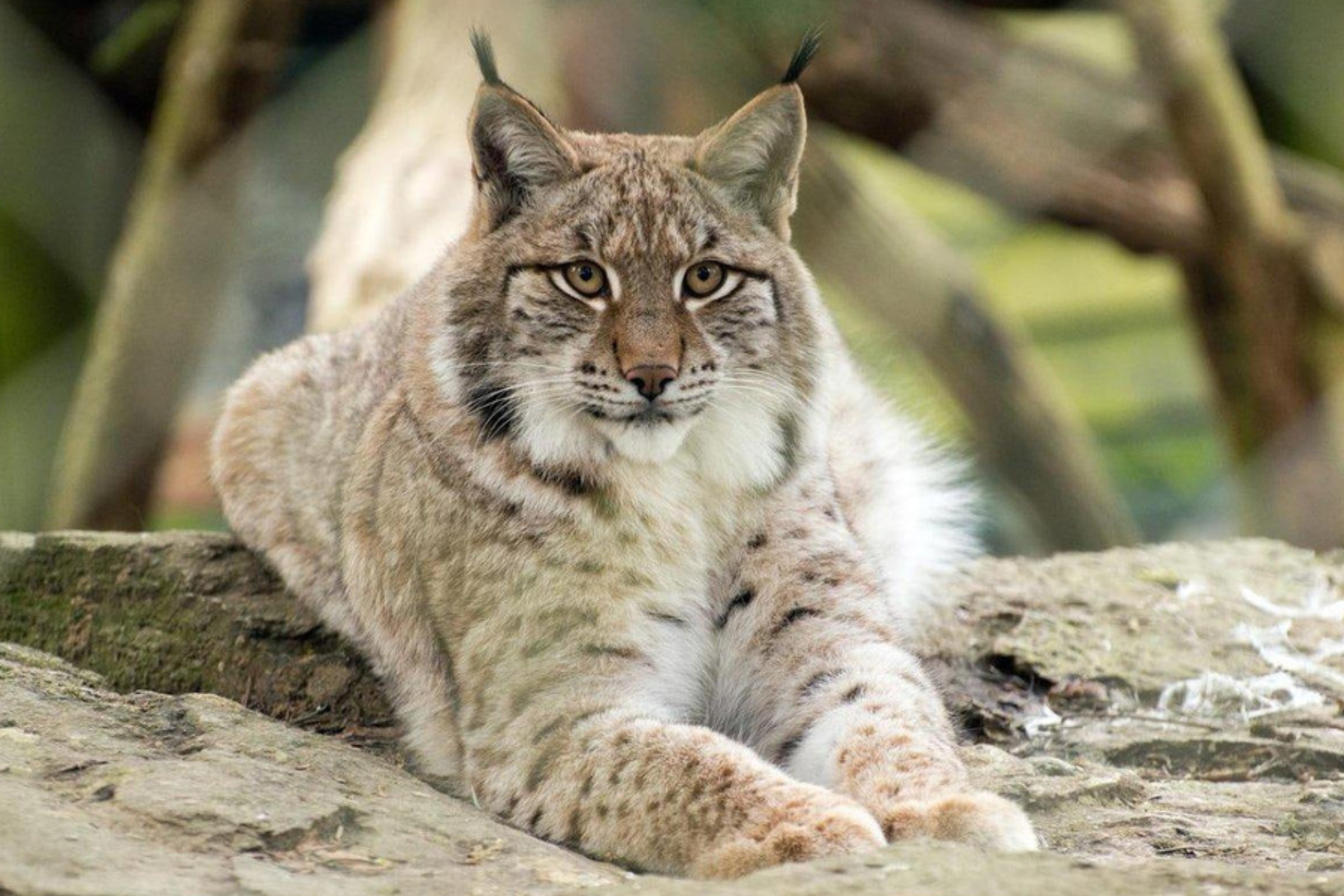
According to the Living Planet Report 2024 published by the World Wide Fund for Nature (WWF), the average size of monitored vertebrate wildlife populations worldwide declined by 73 percent between 1970 and 2020.
It is important to understand that this figure does not mean that 73 percent of animal species have become extinct. Rather, it indicates that the average population size of thousands of monitored mammals, birds, fish, amphibians, and reptiles has decreased by nearly four times over the past 50 years. Nevertheless, the statistic highlights the severe pressure that wildlife around the world is facing.
Why Are Wildlife Populations Declining?
Experts point to several major factors driving the decline in biodiversity.
First, natural habitats are being destroyed at an alarming rate. Population growth and expanding economic activities have led to deforestation, urban development, infrastructure projects, and the conversion of natural landscapes into agricultural land. As a result, many species are losing the habitats they depend on for survival.
Second, environmental pollution continues to threaten wildlife. Air, water, and soil contamination negatively affect countless species and ecosystems. Plastic pollution, in particular, has become a major threat to marine life and ocean ecosystems.
Another significant factor is overexploitation of natural resources, including overfishing and illegal wildlife hunting. Many animals are targeted for their meat, fur, skin, horns, or other valuable body parts, placing additional pressure on already vulnerable populations.
Climate change is also having a growing impact on ecosystems worldwide. Rising temperatures, prolonged droughts, floods, and other extreme weather events are altering habitats and making it increasingly difficult for many species to adapt.
Why Does This Matter to Everyone?
Some people may view wildlife loss as an issue that concerns only conservationists and environmental organizations. In reality, biodiversity loss affects every person on the planet.
Many animals and insects play a critical role in pollinating crops, helping to secure global food production. Forests and natural ecosystems protect water resources, maintain soil fertility, and help regulate the Earth’s climate.
As species decline, ecosystems become less resilient and more vulnerable to environmental shocks. This can have direct consequences for food security, water availability, economic stability, and human health.
Can the Situation Be Reversed?
Experts believe there is still time to slow and reverse biodiversity loss, but urgent action is needed.
Governments, businesses, and communities must work together to expand protected areas, combat illegal wildlife trade and poaching, reduce pollution, and promote sustainable development practices.
Individuals can also make a difference. Reducing plastic consumption, supporting conservation initiatives, practicing responsible tourism, and avoiding products made from endangered species are all meaningful actions that can help protect biodiversity.
The Future Is in Our Hands
Today, biodiversity loss remains one of the most pressing environmental challenges facing humanity. The 73 percent decline in monitored wildlife populations over the past half-century serves as a powerful warning about the state of the planet’s ecosystems.
Protecting nature is not only about saving animals. It is about safeguarding the natural systems that support human life, preserving resources for future generations, and ensuring a healthy and sustainable planet for all.
After all, protecting nature today is far easier—and far more effective—than trying to restore it tomorrow.