

Green Spaces and Children's Playgrounds: Preserving the Future of Our Cities
In recent years, alongside the rapid pace of urban development in Tashkent, the reduction of green spaces, children's playgrounds, and public recreational areas has become an increasingly pressing issue. This trend negatively affects not only the city's environment but also the quality of life and overall well-being of its residents.
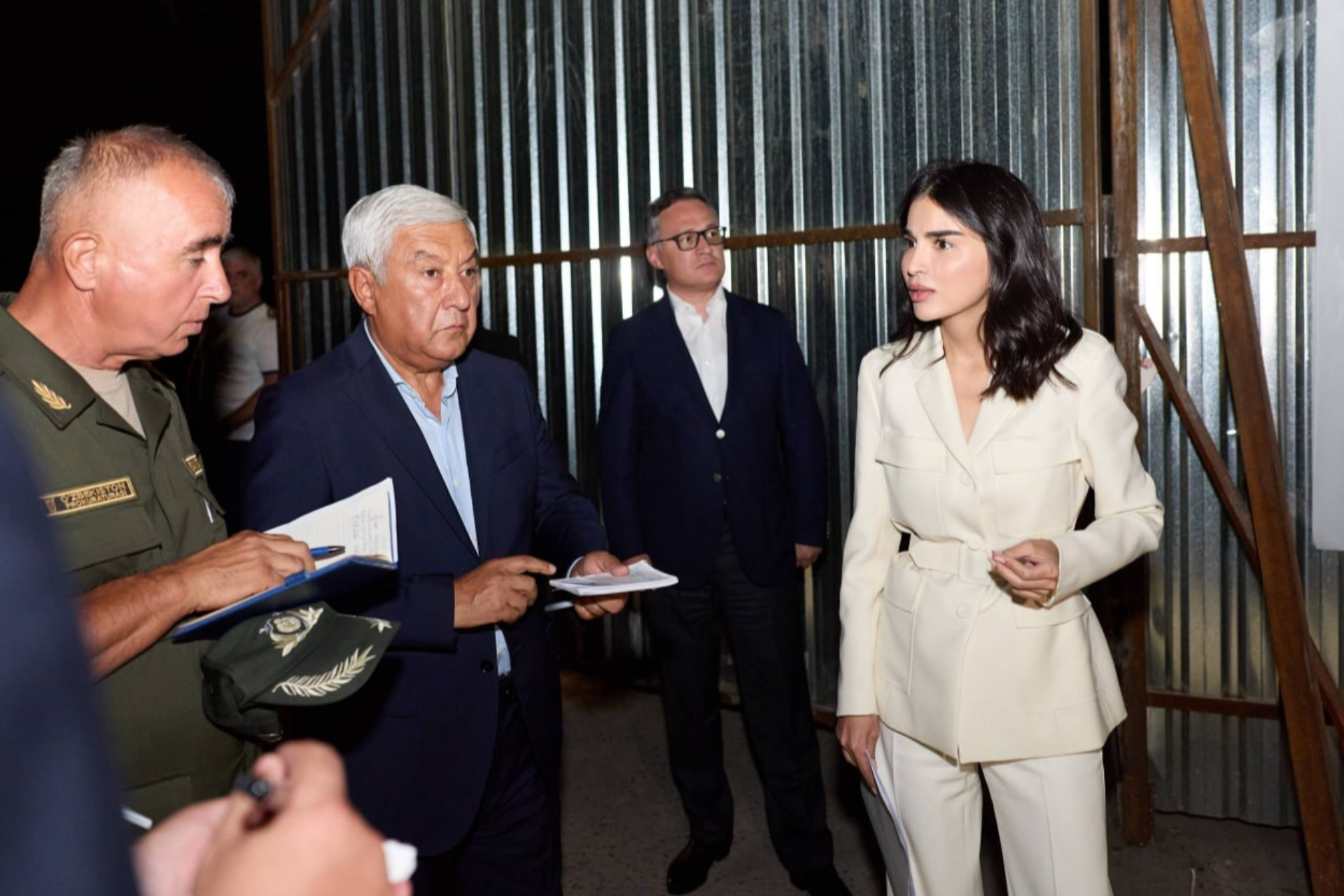
Recently, Saida Mirziyoyeva, Head of the Presidential Administration, visited the “Lolazor” neighborhood in Mirabad District to inspect an area where trees that had been cared for by local residents for many years were cut down, and where a business center is planned to be built on the site of a children's playground. The situation has sparked widespread public discussion and concern.
As Saida Mirziyoyeva emphasized, urban areas designated for public use should not be transformed into office buildings or residential complexes. Instead, they should continue serving their original purpose — providing residents with spaces for recreation, sports, social interaction, and safe environments for children to play.
According to experts, the reduction of green spaces can lead to deteriorating air quality, rising urban temperatures during the summer months, and disruptions to the ecological balance of the city. Trees and green areas serve as the “lungs” of urban environments by filtering pollutants, reducing dust and harmful emissions, and creating a healthier microclimate.
The loss of children's and sports playgrounds also has negative social consequences. Particularly in densely populated residential areas, such facilities play a crucial role in ensuring children's safety, promoting healthy lifestyles, and strengthening community ties among residents.
In this regard, the initiative of the General Prosecutor’s Office to conduct a comprehensive inventory of public-use areas across Tashkent is especially significant. The review aims to assess the legality of construction permits, compliance with urban planning regulations, and the extent to which residents' rights and interests have been taken into account.
Such inspections can help ensure transparency and legality in the use of urban land, protect public interests, and prevent similar situations from occurring in the future. If violations are identified, those responsible should be held accountable in accordance with the law.
Sustainable urban development is measured not only by the number of new buildings constructed but also by the ability to preserve green spaces, expand public areas, and create a comfortable living environment for citizens. Therefore, protecting parks, gardens, playgrounds, and other public spaces remains one of the key priorities of modern urban governance.
Green spaces and children's playgrounds are not merely vacant plots of land. They are essential components of a healthy environment, community well-being, and the future of coming generations. By preserving them today, we are safeguarding the future of tomorrow.