

Drought
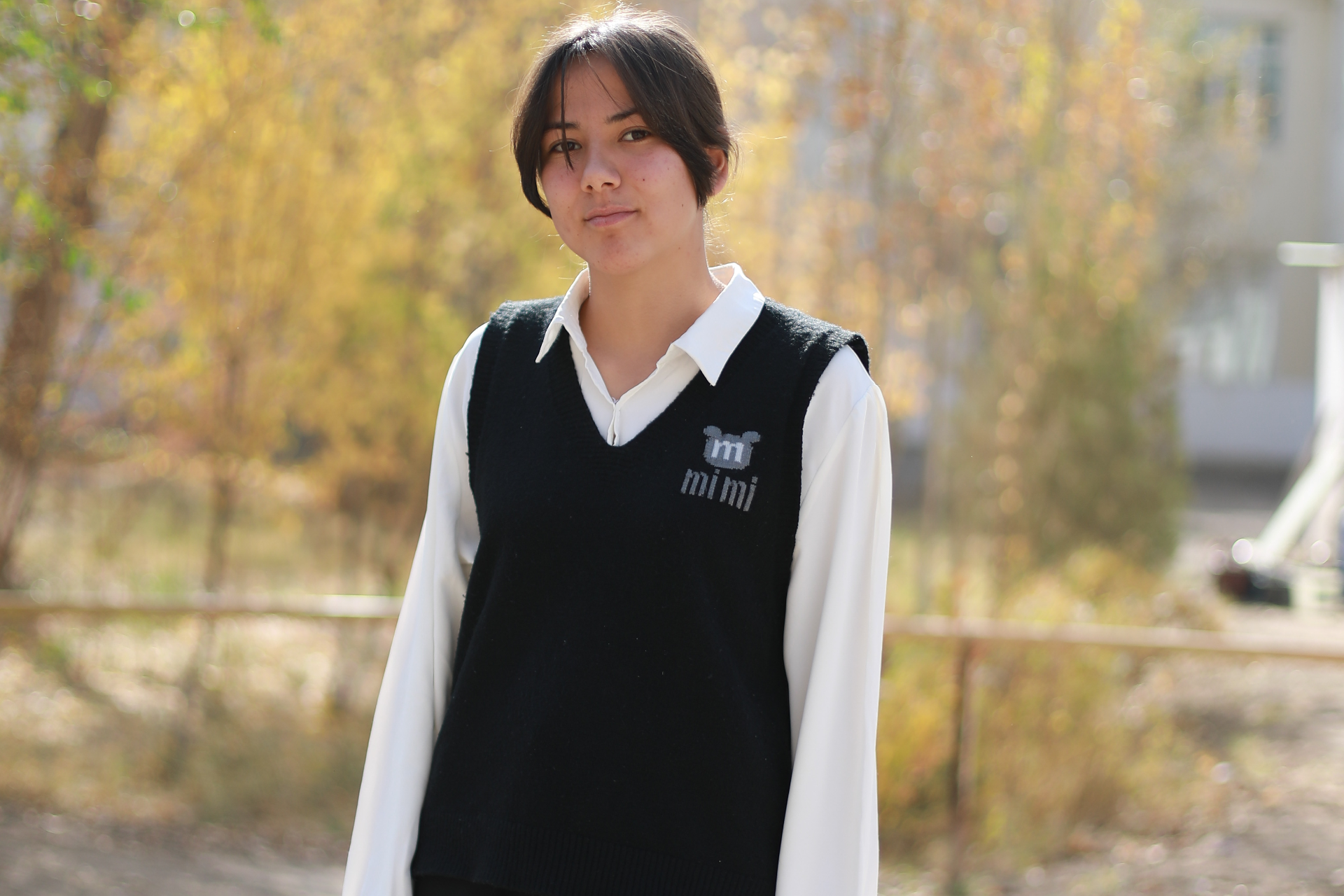
In May 2025, students of the 39th and 41st schools in Jambaskala participated in an environmental awareness program organized jointly with the World Aral Region Charity Fund, Ekolog.uz, and the Ecological Movement of Uzbekistan. Students living in the Aral region—on the border of deserts—wrote essays and stories based on their personal experiences of climate change. In this text, Aysara’s sincere words revealing the Aral problem are heard.
We used to have an abundance of water. We used to water our crops without any equipment. In the last four years, the amount of water has decreased significantly. Due to the reduction of water, the humidity of the air has decreased. From the 1950s–1960s, the Aral Sea began to dry up. The reason for this was that water from the Aral was directed to many desert areas for irrigation of lands. The level of the Aral began to drop in the middle of the 20th century, and its volume decreased by 90%, and the Aralkum desert was formed in place of the sea. The drying up of the Aral had a negative impact on the whole society.
In 2023, there was very little water. This led to our crops drying up. That year, many of our crops dried up. To save the remaining crops, we watered them at home using pumps and hoses. Some of our neighbors watered their crops using buckets and other containers.
Remembering those times is very painful. Currently, people are indifferent to our nature and ecology. According to Kun.uz, water scarcity in Uzbekistan is on average 15-24%, and the area of desertification can reach 123 million square meters. This means that if we continue to use water wastefully, many people will face drought in the future.
Water scarcity and drought are problems that harm nature and humanity, and they can only be solved through a conscious approach, saving resources, and unity. Therefore, let’s not waste water and let’s protect our nature. Thus, we can save our land.
Shirin Ibragimova