

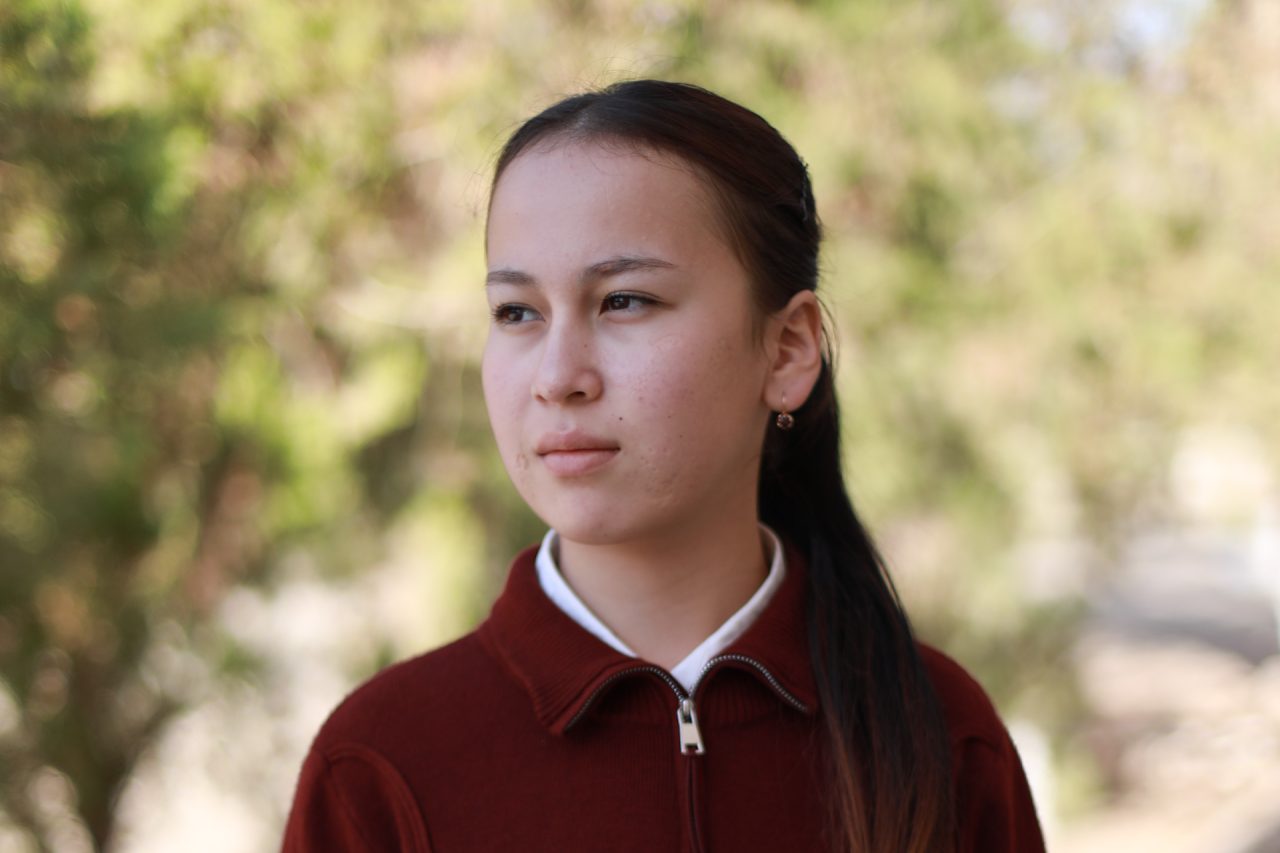
Unfortunately, in recent years, water scarcity has become a serious problem in our community. The canals that once carried abundant water now contain very little, and sometimes no water flows through them at all. As a result, agricultural lands do not receive sufficient irrigation, and crop yields continue to decline. This negatively affects the income of farming families and impacts the well-being of the entire community.
The issue of access to clean drinking water also remains a major concern. Many households do not have access to centralized water supply systems. People are forced to carry water from distant sources every day. During the hot summer months, the situation becomes even more difficult as the demand for water increases. Water shortages affect not only daily life but also the health and well-being of local residents.
As drought conditions worsen, environmental problems continue to grow. The amount of dust and salt particles in the air increases, making it difficult for people to breathe. Children, elderly individuals, and those with chronic illnesses suffer the most from these conditions. For the past five to six years, we have witnessed these changes with our own eyes. Seeing fish die in dried-up canals and watching natural landscapes lose their vitality is both painful and alarming.
Sometimes, when water does reach the canals, farmers use electric pumps to irrigate their crops. However, this is only a temporary and costly solution. The problem cannot be solved by technology alone. What is truly needed is a change in the way people treat nature. One of the main causes of water scarcity is human negligence toward the environment. Deforestation, wasteful use of water resources, disregard for environmental regulations, and pollution have all contributed to the challenges we face today.
One of the clearest examples of this is the tragedy of the Aral Sea. Once one of the largest lakes in the world, it has nearly disappeared as a result of human activity. The drying of the Aral Sea has created a large-scale environmental disaster, while salt and dust storms from its exposed seabed continue to threaten the health and livelihoods of millions of people. Today, the consequences of similar environmental problems are beginning to affect our own region as well.
For this reason, each of us must contribute to protecting nature. Instead of cutting down trees, we should plant more and preserve existing green spaces. We must use water responsibly and avoid unnecessary waste. Farmers and communities should adopt modern water-saving technologies wherever possible. Keeping the environment clean, disposing of waste properly, and promoting environmental awareness are responsibilities that belong to all of us.
Every drop of water represents life. A single drop saved today may play an important role in securing our future. Therefore, we must appreciate water, avoid wasting it, and preserve this precious resource for future generations.
The truth is simple: nature can survive without us, but we cannot survive without nature. Let us protect our environment and conserve water resources, because saving water means protecting life, health, and the future of humanity.
Gulsima Mambetjanova