

Climate Action Network (CAN) is an international network of 1,900 non-governmental organizations operating in 130 countries. Its main goal is to limit the actions of governments and individuals to limit climate change to environmentally sustainable levels.
The regional branch of the Climate Action Network (CAN) is actively involved in the fight against the climate crisis. Olga Boyko is the coordinator of the regional branch of the Climate Action Network and has many years of experience in the field of climate policy.
Olga Boyko is a renowned expert in the field of climate change and energy policy. She has a deep knowledge of the specifics and challenges of climate change in the region, which allows her to effectively manage the activities of CAN EECCA. Under her leadership, the network will play a key role in shaping civil society positions on climate issues, actively working to achieve ambitious climate goals and ensure sustainable development in the region.
Today, the network (CAN EECCA), led by Olga Boyko, plays a key role in advancing the climate agenda in Eastern Europe, the Caucasus and Central Asia. Through its active work in analysis, advocacy, supporting civic engagement and facilitating the transition to sustainable energy, CAN EECCA helps move the region towards a more sustainable and equitable future. CAN EECCA’s work is a critical element of the global effort to combat climate change, demonstrating how civil society can effectively influence government policies and actions.
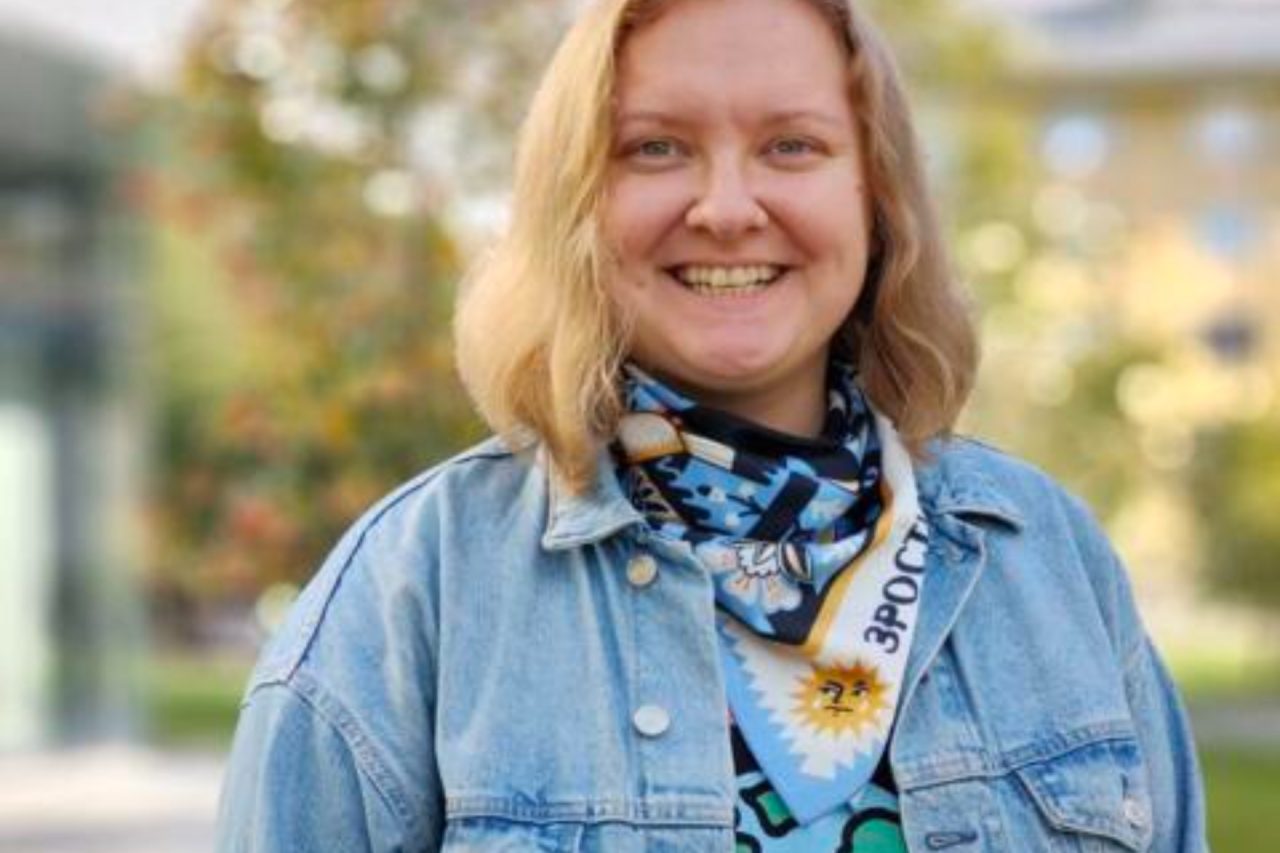
Olga Boyko, Coordinator for the Climate Action Network – Eastern Europe, Caucasus and Central Asia, spoke about her work.
-Olga, tell me, when did this network appear and is it part of a larger network?
--Climate Action Network - Eastern Europe, Caucasus and Central Asia is a network of more than 50 NGOs working to prevent the climate crisis and adapt to its consequences. It began its activities in 2008 and is a regional branch of the global network. When representatives of non-governmental non-profit organizations of our regional network tried to influence the results of the UN climate negotiations and form their positions at the public level, they realized that they did not have sufficient knowledge in the field. As a result, the idea of unification arose, and this network was created. The main climate action network has existed since 1989, when the COP began to be held, after the signing of the Rio Convention in 1992.
The first UN Climate Change Conference (COP1) was held in Berlin in 1995. Then climate conferences began to be held annually in different countries of the world. Representatives of civil society also participated in the conferences. They realized that they lacked a consolidated position and information exchange to help their country delegates make more ambitious decisions. This network was established 30 years ago to exchange information and influence decisions.
-The network is expanding every year. During this time, have government representatives heard the network's voice?
-Our members often say that it is sometimes very difficult to meet with government officials in their own countries, to talk about their activities and problems. COP is a place where you can often, in an informal setting, convey your decisions to your government, as well as meet with ministers, deputies, experts from different countries and regions. Many political and strategic decisions do not depend on only one country, and such conferences provide an opportunity to consolidate and implement them. We have long wanted one of our members to join the Intergovernmental Group on Climate Vulnerable Countries, which includes Latin America, Africa and Asia. Previously, the countries of Central Asia were already feeling the negative consequences of climate change, but not a single country from our region or the Caucasus was a member of the global network.
My proposal was to invite the Kyrgyz delegation to meet with the Secretariat in 2021, or perhaps to discuss the country's participation in the Forum. Two years later, they were accepted into the network. Indeed, NGOs began to look for ways to implement all their ambitious plans. Public organizations, as additional stakeholders, were not informed about where to discuss their problems and present themselves. At first glance, you might think that our context is not so global for a small NGO from each country, but when you come to such large conferences as the SOR, someone is looking for partners here, someone wants to share their problems and goals, someone shows their activity at the conference. But the main thing is that you are heard here. If there is no search, the desire for partnerships, and dialogue with the participation of many stakeholders, a country can be left alone with its problems.
- Can you tell us about the main areas of CAN EECCA's activities?
-What are our main tasks? First of all, the analysis and monitoring of climate policy. CAN EECCA analyzes the National Climate Plans (NDCs) of the countries in the region, assesses their compliance with the goals of the Paris Agreement and science-based requirements. The organization monitors the implementation of climate strategies and policies at the national level, identifies shortcomings and makes recommendations for their improvement. CAN EECCA also monitors the effectiveness of climate project financing and the use of allocated funds.
CAN EECCA actively supports the need for more ambitious climate goals, such as reducing greenhouse gas emissions, switching to renewable energy sources and increasing energy efficiency. The organization organizes campaigns and actions aimed at raising awareness among the public and policymakers about the need to step up the fight against climate change.
In addition, the organization promotes the development of renewable energy sources such as solar, wind and hydropower, and supports the transition away from fossil fuels, energy conservation and energy efficiency initiatives in various sectors of the economy. Most importantly, we support the participation of civil society in climate decision-making.
The Eastern Europe, Caucasus and Central Asia region has unique characteristics that require a special approach to climate policy implementation. This is an economic dependence on fossil fuels. Many countries in the region are heavily dependent on fossil fuel exports, which makes the transition to sustainable energy difficult. In many countries in the region, civil society has limited opportunities to participate in political processes. Lack of financing for climate projects and low public awareness of climate change, as well as geopolitical factors, also affect climate policy in the region.
- Tell me, how is the network managed and does it report to higher authorities?
- The CAN EECCA governance is a complex but effective mechanism that allows coordinating the activities of numerous organizations and activists in the Eastern Europe, Caucasus and Central Asia region. Decentralization, collegiality, participation, transparency and consensus-building are the main principles of the CAN EECCA governance, ensuring its effectiveness and sustainability.
It is important to understand that CAN is not a single centralized organization, but a network of many independent organizations. As a regional branch of this network, CAN EECCA also has its own management structure adapted to the specifics of the region. CAN EECCA is managed at several levels, taking into account regional characteristics. The Director is the chief executive officer of the CAN EECCA network. He is responsible for the overall management and coordination of the network's work in the region. The Director is appointed by the general meeting or by the decision of the CAN EECCA Steering Committee. The Council is the main governing body of CAN EECCA. It is responsible for making strategic decisions and supervising the work of the Director and other departments. The Steering Committee consists of representatives of different CAN EECCA member organizations, who are selected on a rotational basis and taking into account regional representation. All departments have the same logo, although we all strive for the same global goals, their content is different. We are free to choose the exact tactics and topics within the framework of climate change that we want to address throughout the year. We keep each other informed about what's important to us so that members of the network don't drift apart.
- How is network management done?
- CAN EECCA is a separate NGO, and the CEO of CAN International is Tasneem Essop. The network unites more than 1,900 non-governmental organizations fighting against nature conservation and climate change around the world. CAN International has a Board of Directors, and all members of the network can apply for membership. It has its own team, the Secretariat, which supports all regional networks. They meet annually for a General Assembly, where issues such as evaluating the activities of the coordinators of regional and national branches, developing long-term strategies, choosing a direction for the year, getting to know each other are discussed.
- CAN International always tries to support its members not only morally, but also materially by allocating small grants. Tell me, who finances CAN International?
- The network operates thanks to the support of network members in different countries. Whenever possible, we try to contact donors directly and implement joint projects with them. Part of the money is spent on supporting the activities of network members, and the second part is spent on supporting other network members. This allows us to go beyond any specific scope of activity. We try to attract donor funds, which allows us to provide mini-grants and pay for network members to participate in various international events. We have quite developed communication platforms. Currently, there are 5 people in our Climate Action Network team. These are communicators who prepare a weekly news digest in two languages, press releases, manage our pages on social networks, and write articles about our members. We also have a project manager who organizes trainings where network members can improve their knowledge. We recently published a review of climate policy in Central Asia, and in general, our small team is trying to guide our partners, NGOs, into various formats of activity through training and information.
-Thank you for the informative conversation.
Nargis Kasimova spoke