

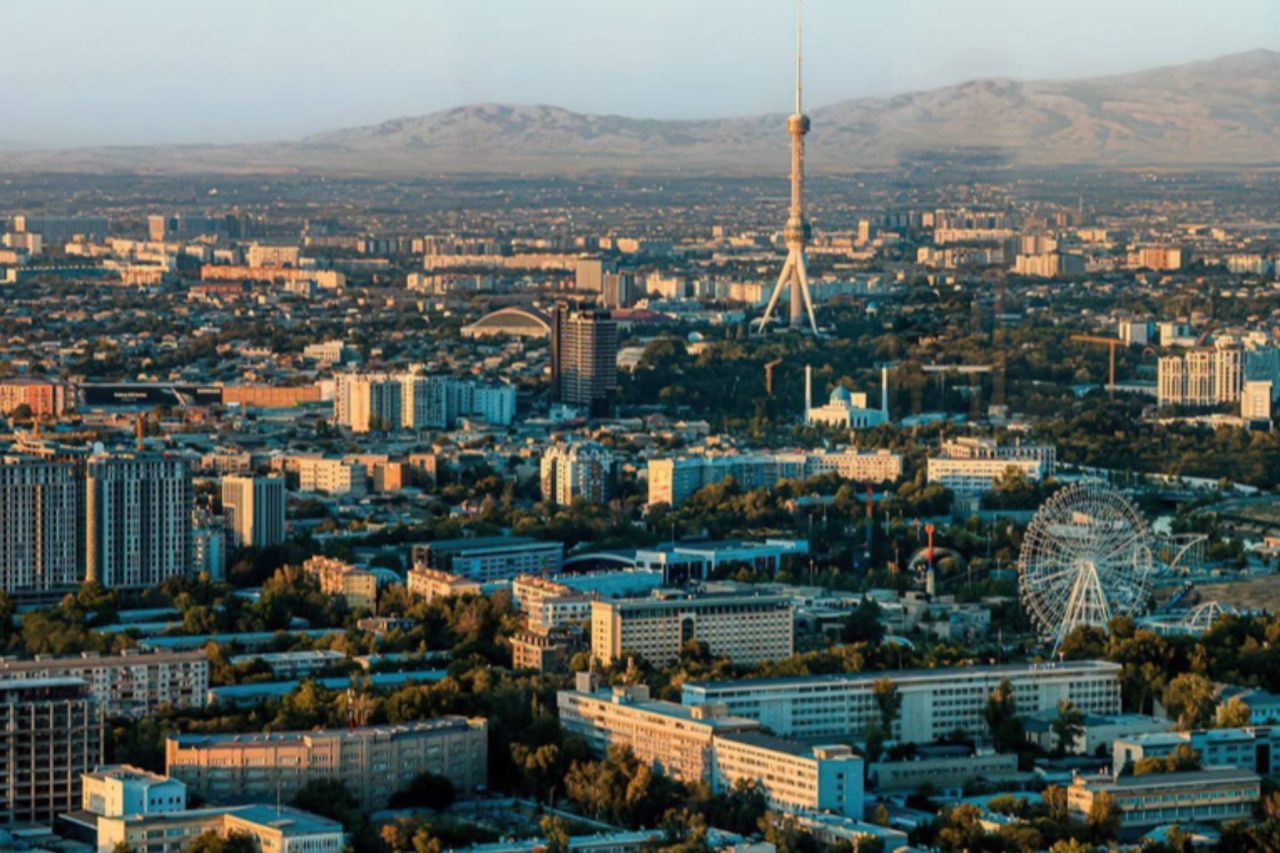
According to World Bank projections, without effective adaptation measures, by 2050 Uzbekistan’s economy could be approximately 10 percent smaller than it would be in the absence of climate risks. However, climate adaptation is not only a matter of national programmes. Increasingly, solutions are directly related to what Uzbekistan’s cities will look like and how they will function in a hotter and drier climate.
Tashkent: Trees as Urban Climate Infrastructure
Tashkent is becoming an increasingly hotter city. Rising temperatures, an increase in hot days, dry air, and growing amounts of dust are increasing pressure on the urban environment. Under such conditions, a tree is not simply a landscaping element; it becomes the city’s natural “cooling system.” Trees provide shade, reduce the heating of the ground surface, trap dust, and mitigate the “urban heat island” effect. Therefore, greening in Tashkent should be viewed as important infrastructure for climate adaptation.
In Uzbekistan, thousands of trees are planted every year 2050 the “Yashil Makon” (“Green Space”) project. Unfortunately, at the beginning of the year the question “How many trees were planted?” turns by the end of the year into the question “How many of them survived?”, and in most cases there is no answer to it.
This is also demonstrated by the situation during the 2025 “Yashil Makon” season in Tashkent Region: some of the planted seedlings dried out because agrotechnical care was not carried out on time. As a result, measures were taken against those responsible at 161 enterprises and organizations, and more than 500 mandatory instructions were issued.
Thus, planting a tree is only the beginning of the work. Watering it, caring for it, and helping it reach maturity are the real results of climate adaptation.
337,000 Trees — But What Is Their Condition?
A digital inventory of trees is also being maintained in Tashkent. More than 337,000 trees have been entered into the electronic system.
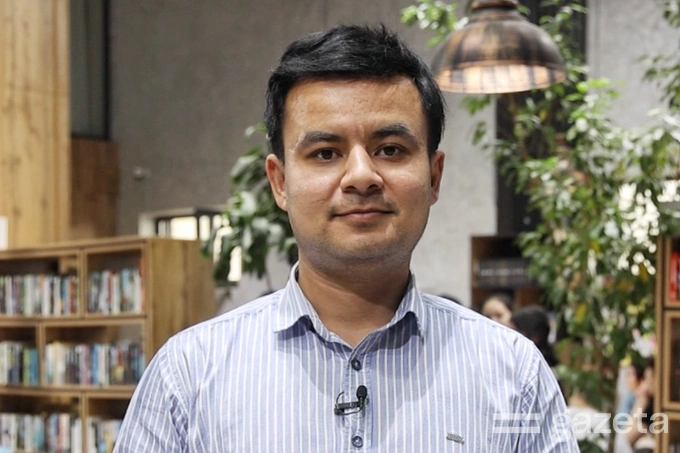 Eco-activist Feruzbek Sayfullayev considers the electronic “passport” of trees an important tool for managing green areas. Such a system makes it possible to monitor the species, location, age, and condition of a tree and determine the necessary care for it.
However, a digital register by itself does not protect a tree. According to Sayfullayev, the most important thing is the actual preservation and care of trees and the protection of mature trees. He also emphasized the need to prevent the cutting down or destruction of 1,758 trees planted on a 2.5-hectare site in Tashkent District when considering their relocation to another area.
This reveals another aspect of the problem: before planting a new tree, it is necessary to consider how an existing tree can be preserved.
Tashkent’s green future is directly linked to the issue of water. As water shortages intensify under climate change, it is necessary not only to plant more trees but also to find answers to the question of how they will be watered.
Therefore, water-saving irrigation systems, rainwater harvesting, and the use of treated wastewater that meets safety requirements are becoming important solutions for future greening. The choice of tree species is also important here. Selecting species adapted to Tashkent’s climate, requiring less water and having a long lifespan increases the chances that seedlings will survive.
A new seedling cannot immediately perform the ecological functions of a mature tree. A mature tree already provides shade, traps dust, and moderates the urban microclimate. Therefore, before construction, road expansion, or other infrastructure projects, the possibility of preserving existing trees should be considered first. Feruzbek Sayfullayev’s position on tree preservation also focuses precisely on this issue. In the situation involving the 1,758 trees, he emphasized that “trees are not simply numbers,” but represent the greenery, air, and future of the area.
From Planting Trees to Creating a Green City
Tashkent does not simply need more trees; it needs a sustainable green system. Three issues need to be addressed simultaneously: preserving existing mature trees, ensuring the survival of new seedlings, and using water wisely. A digital register can become a monitoring tool in this process. If it regularly records not only the existence of a tree but also its condition and maintenance, it will be possible to assess the results of “Yashil Makon” more accurately. 3Under climate change, a tree is not a decoration for the city. It is a natural means of protection that helps Tashkent adapt to risks such as heat, dust, and water shortages.
Cities Need to Learn to Save Water
Water is becoming one of the key resources for climate adaptation in Uzbekistan’s cities.
According to World Bank estimates, by 2050 water availability in Uzbekistan may decrease by 30–40 percent. At the same time, agriculture’s demand for irrigation water may increase by approximately 25 percent. Rising temperatures intensify evaporation and consequently increase the demand for water.
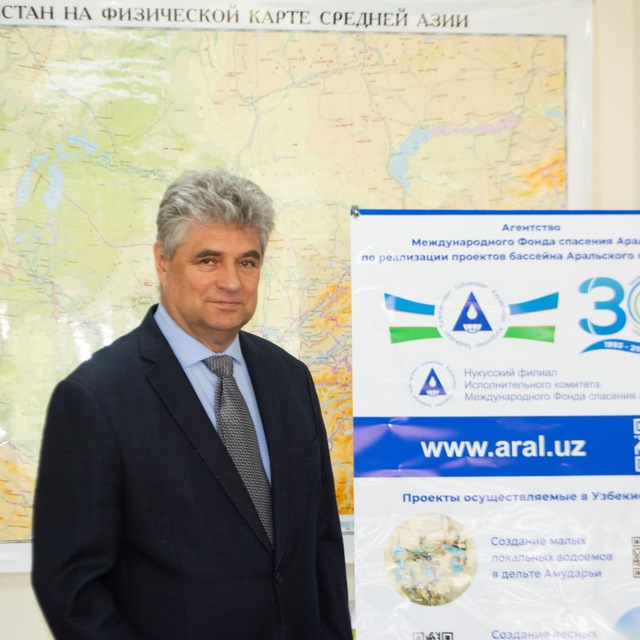 draws attention to another important problem: precipitation patterns are becoming increasingly difficult to predict.
Alongside droughts, heavy torrential rains are also being observed. Within a short period, the amount of rainfall corresponding to an entire month or even two months may fall.
In the expert’s view, it is necessary to transition to “smart” water management. This requires the use of soil-moisture sensors, digital irrigation management, automated monitoring systems, and, at the same time, learning how to collect water during heavy rainfall.
For cities, this means finding additional sources of water and reducing losses: using treated wastewater for technical needs and landscaping, collecting rainwater, and digitally monitoring water consumption.
Karakalpakstan: Reusing Treated Water
An example of this is emerging in Karakalpakstan.
Japanese Johkasou local treatment systems are being introduced there. Treated water can be used to irrigate gardens and small agricultural areas.
According to the information presented, the installed systems provide enough treated water each year to irrigate approximately 12–13 hectares of land. They are being used, in particular, at social institutions, a kindergarten, and a specialized school.
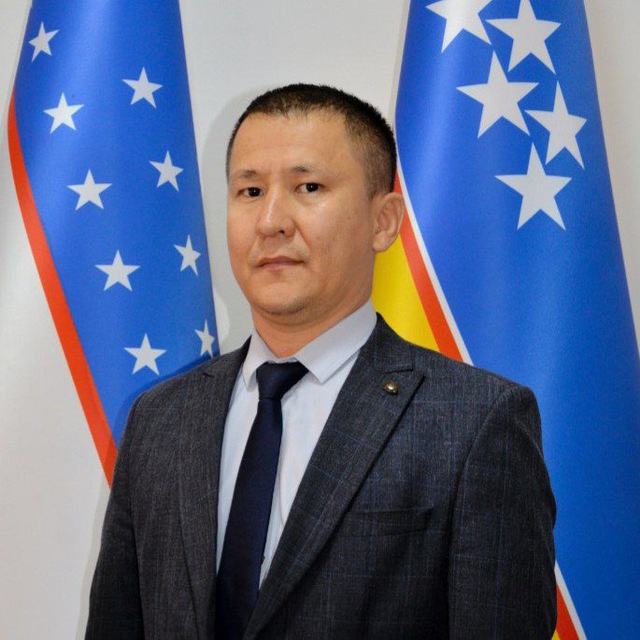 Amanbay Saparov, Associate Professor and PhD at the Karakalpakstan Institute of Agriculture and Agrotechnologies, proposes viewing water supply in cities and rural areas as a system based on the use of several sources: fresh water for drinking and household needs; treated wastewater for technical needs and landscaping; rainwater for collection and subsequent use; and digital monitoring to minimize water losses.
At the same time, the expert emphasizes that wastewater reuse is possible only under strict water-quality control. It is necessary to monitor not only pathogens but also salts, sodium, heavy metals, and other pollutants.
For cities in arid regions, water reuse can become part of a closed water-cycle system.
Nukus and the Aral Sea Region: Adapting to Dust Storms
For Nukus and other settlements in the Aral Sea region, one of the most pressing issues of climate adaptation is containing dust and salt storms rising from the dried-up Aral Sea bed.
Approximately 2.7 million hectares of the dried seabed within Uzbekistan’s territory have become sources of such storms.
This dust is not only an environmental problem. Fine particles carried into the air can negatively affect the respiratory and cardiovascular systems. The World Health Organization considers dust storms to be one of the important sources of air pollution.
In the Aral Sea region, this risk is further intensified by drought, desertification, and water shortages.
From this perspective, planting saxaul on the dried seabed is not simply landscaping. It is the creation of natural infrastructure that helps protect the population from dust storms.
Saxaul roots strengthen the soil and reduce the movement of sand and salt by wind. According to information from the United Nations Development Programme, a mature saxaul shrub can retain a significant amount of mobile sand, while seven-year-old saxaul plantations sharply reduce wind speed near the ground. This helps limit the spread of salt-and-dust storms.
In the Aral Sea region, the important issue is now not only how many seedlings have been planted, but how many of them are surviving.
This is because under conditions of extreme heat, saline soils, and a lack of moisture, the survival of every seedling is particularly important.
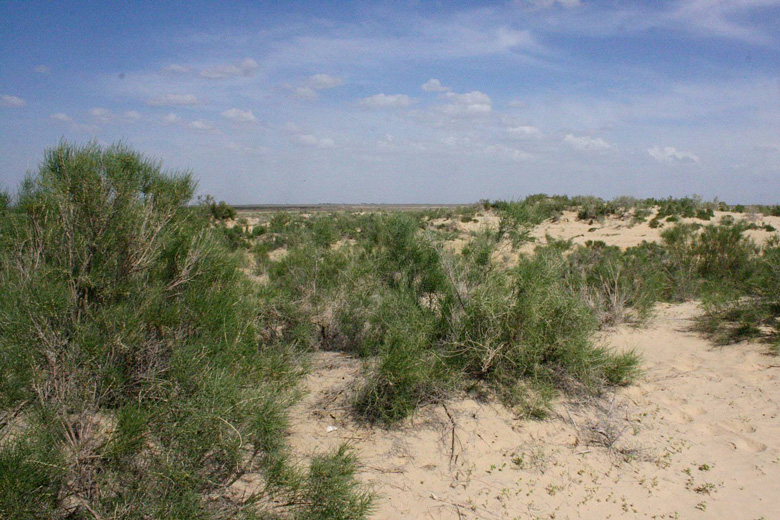 As part of the “Green Aral Sea” initiative, in March 2025, 80,000 saxaul seedlings were planted on 80 hectares of the dried-up Aral Sea bed in Muynak District. Innovative methods aimed at increasing the seedlings’ chances of survival under extreme conditions were also tested during this process.
The next stage of ecological restoration in the Aral Sea region should move from “planting seedlings” to “creating sustainable saxaul plantations.” For this, it is important to regularly monitor planted areas, assess survival rates, and scale up effective technologies.
Saxaul plantations on the Aral Sea bed are not an isolated process separate from Nukus. Dust and salt storms do not recognize boundaries between regions.
Therefore, along with stabilizing the dried seabed, it is necessary to strengthen green infrastructure in Nukus itself. Tree-lined streets, shaded pedestrian paths, green areas, and protective plantations can help reduce dust within the city, moderate heat, and create a more comfortable microclimate for residents.
Under such an approach, saxaul plantations on the Aral Sea bed serve as an external ecological “shield,” while green areas in Nukus become an internal protection system at the city level.
Therefore, the climate adaptation policy of Aral Sea region cities cannot be limited only to combating desertification. Stabilizing the dried seabed, greening cities, monitoring air quality, and providing residents with timely information about dust storms should function as a single, mutually complementary system.
The United Nations Development Programme (UNDP) also emphasizes the need to develop an integrated system for monitoring air, soil, and water resources in the Aral Sea region.
In the Aral Sea region, saxaul is not simply a desert plant. It is part of natural climate infrastructure that holds the soil, controls dust storms, and protects areas where people live.
How Can Cities Prepare for Extreme Torrential Rains?
Urban adaptation is not limited to combating heat and drought.
 According to E.I. Abdullahatov, Head of the Applied Climatology Laboratory of the Hydrometeorological Research Institute, heavy torrential rains, thunderstorms, lightning, hail, prolonged droughts, and abrupt changes in weather are increasingly being observed in Uzbekistan. Some extreme events that were previously very rare are now occurring more frequently.
For cities, this means that climate risks need to be taken into account in advance when designing infrastructure.
Heavy rainfall occurring within a short period requires effective systems for the drainage and collection of rainwater. At the same time, water collected during torrential rains can be used as an additional resource during the subsequent dry period.
Therefore, the city of the future must simultaneously be able to quickly and safely remove excess water and retain water for subsequent use.
What Should Uzbekistan’s Green City Look Like?
Climate adaptation also requires a new approach to the concept of urban greening.
Simply planting more trees is not enough. Under conditions of water scarcity, it is necessary to select tree species capable of adapting to the local climate, plan irrigation systems, and ensure maintenance.
Effectiveness can be assessed through clear indicators how many trees actually survived, how much the shaded area increased, whether the surface temperature decreased, how much water is being used to maintain green areas, whether the amount of dust has decreased, whether biodiversity has increased, how comfortable and accessible green areas have become for residents. Such an approach transforms greening from a simple tree-planting campaign into full-fledged climate infrastructure.
Climate Change and Women: Why Should the Gender Factor Be Taken into Account?
Climate change affects all groups of the urban population, but its consequences are not the same for everyone.
For women, particularly women living in rural areas and socially vulnerable families, climate stress may mean not only water shortages or reduced incomes, but also increased household workload, economic dependence, and greater social risks.
 Nodira Alimova, Director of the “Qalb Nuri” Center for Social and Legal Assistance to Women and Their Families in Jizzakh Region, emphasizes that climate and social problems need to be considered as interconnected issues.
Drought, water shortages, declining family incomes, crop losses, and rising prices of essential resources can increase economic and psychological pressure within families.
Under such conditions, women and children may become particularly vulnerable groups.
Importantly, climate change itself is not the cause of gender-based violence. However, climate stress can intensify existing social and economic risk factors.
Loss of income, unemployment, debt, forced migration, water shortages, and an increased burden of caring for children and older people can create additional tension within families.
This is particularly evident in rural areas
When water becomes scarce, women may have to spend more time providing water for the family and performing household chores. When crop yields decline because of drought or excessive heat, family income decreases.
At the same time, women often have less access to financial resources, property, technologies, and independent decision-making opportunities.
As a result, a kind of vicious circle emerges: climate stress increases economic vulnerability; economic vulnerability increases social tension; and existing gender inequality increases risks for women.
Therefore, climate adaptation should take into account not only physical indicators such as temperature, water, productivity, or forest area, but also social consequences.
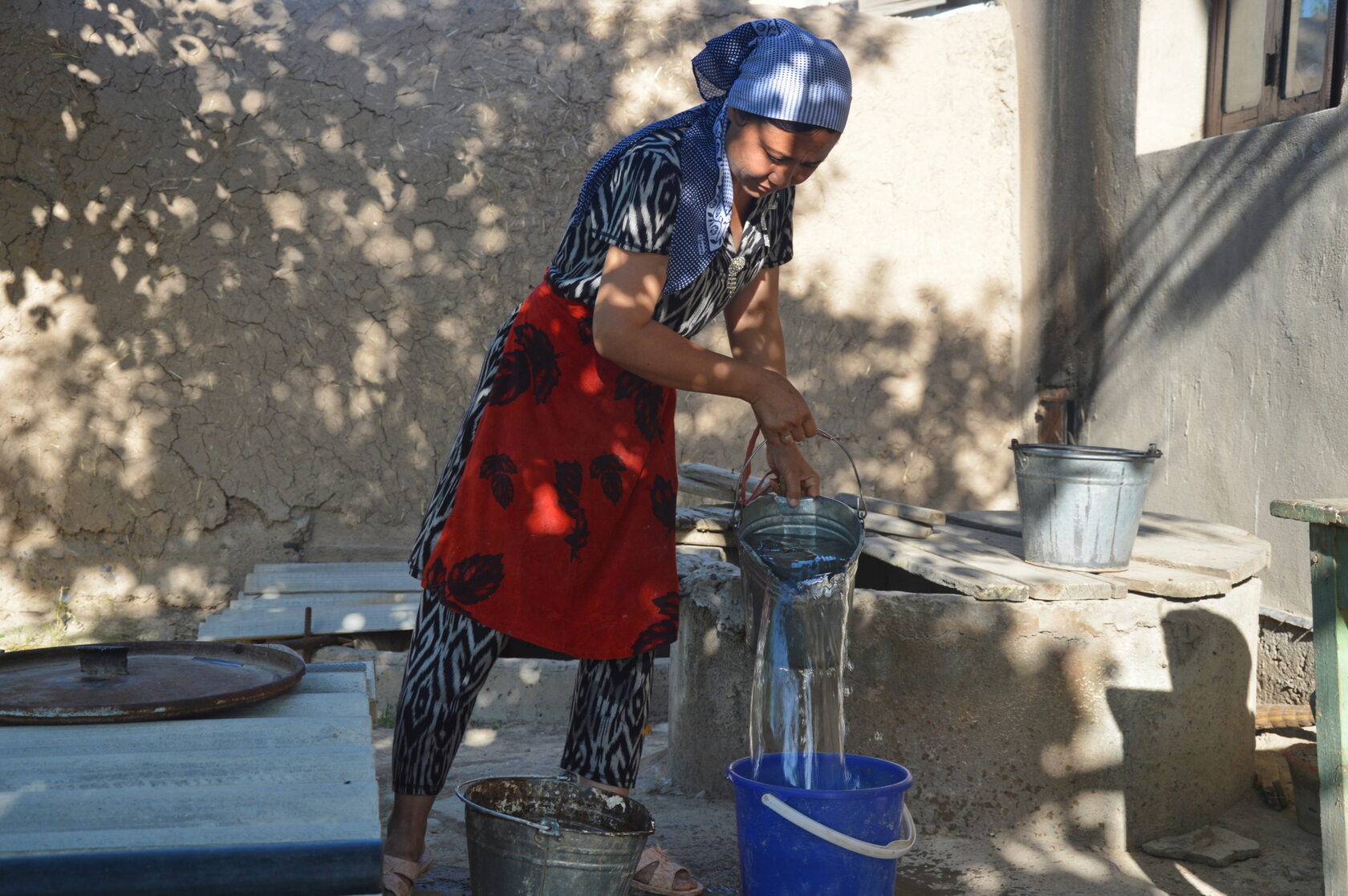 Women need access to information about climate risks, adaptation resources, vocational training, financial instruments, and employment opportunities.
It is particularly important to work with women in rural areas because climate change directly affects water, agriculture, and family incomes there.
Climate adaptation programmes should also include mechanisms for protection from violence, access to social services, and opportunities to receive timely assistance.
Climate adaptation policy should not be limited only to planting trees, saving water, or modernizing infrastructure. It should also take into account how climate change affects different groups of the population, including women.
Climate Adaptation Is a Matter of Human Health and Safety
Rising temperatures have a direct impact on urban residents.
According to E.I. Abdullahatov, rising temperatures and longer periods of heat can place additional stress on the human body, increase the risk of cardiovascular diseases, and cause other health problems.
Therefore, when adapting cities, not only water and green areas but also residents’ comfort should be taken into account: the availability of shade and cool public spaces, access to green areas, and systems for providing residents with timely information about adverse weather conditions need to be developed.
What Can Uzbekistan’s Cities Learn from Global Experience?
Climate change is increasingly affecting the daily life of Uzbekistan’s cities.
Increasing heat, dry air, dust, water shortages, heavy rainfall, and the “urban heat island” effect are no longer only environmental issues; they are also becoming matters of urban planning and public health. Global experience demonstrates one fact: a climate-adapted city is built not only with concrete and engineering structures but also with nature. For example, in Medellín, Colombia, “Green Corridors” connect trees and green areas. There is an important lesson here for Uzbekistan’s cities: parks should not be developed as separate “green islands,” but as a single ecological network connected with streets, pedestrian 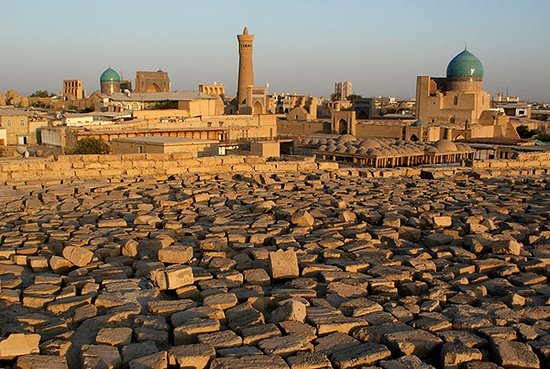 paths, canals, and the outskirts of the city. In hot and dry cities such as Samarkand, Bukhara, Karshi, Termez, and Navoi, summer temperatures are becoming an increasingly serious problem. Cooling a city only through air conditioners increases energy consumption. Trees, shaded paths, green roofs, heat-reflective surfaces, and open green spaces can naturally moderate the urban microclimate. Therefore, greening should be viewed not simply as landscaping but as climate infrastructure. Uzbekistan’s cities are simultaneously facing both water shortages and short-term heavy rainfall. The “Sponge City” concept in Wuhan, China, is based not on quickly removing rainwater but on retaining it, allowing it to infiltrate the soil, and reusing it. This approach is also important for Uzbekistan. Rainwater harvesting, the use of permeable surfaces, preserving natural drainage systems and irrigation channels, and using treated wastewater to irrigate green areas can help mitigate water shortages.
Urban Air: From Transport to Green Areas
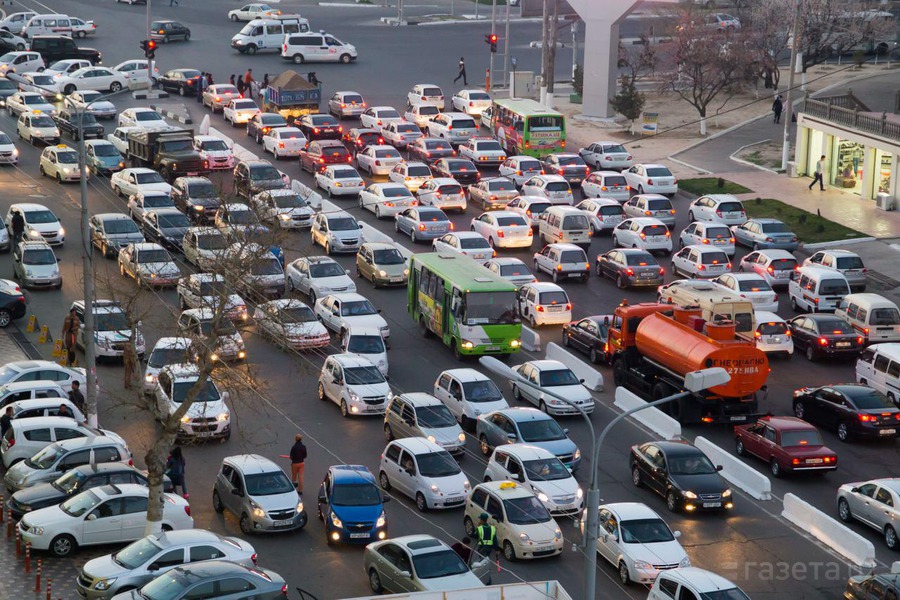
Cars, industry, greenhouses, construction, and dust increase pressure on urban air.
Therefore, alongside developing public transport, switching to electric transport, and expanding pedestrian and cycling infrastructure, it is also necessary to increase the number of green areas.
 In 2026, approaches aimed at increasing the climate resilience of cities in Uzbekistan are also being strengthened.
In particular, 16 districts and cities are expected to develop infrastructure, transport, public spaces, and living environments while taking climate risks into account.
Every City Should Have Its Own “Green Recipe”
In 2026, Samarkand plans to introduce energy- and water-saving technologies, develop environmentally friendly transport, create green tourism areas, and establish a 102.7-kilometre-long green belt around the city.
This experience demonstrates an important principle: the green belt, transport, water, and urban planning policies should not be considered separately, but as a single ecological system.
The same model will not work for all cities of Uzbekistan.
In Karakalpakstan, the main risk is dust storms coming from the Aral Sea region.
In Bukhara and Navoi, it is water shortages and a dry climate.
In Kashkadarya and Surkhandarya, it is heat and water-related problems. In the Fergana Valley, population density, transport, and the need for green areas are pressing issues. Therefore, rather than a single “green city” template, each city needs a plan adapted to its specific climate risks.
There is no need to copy global experience to Uzbekistan exactly. What matters is understanding its fundamental principle: the city should work not against nature, but together with nature. Trees reduce heat, green belts capture dust, natural drainage retains water, permeable surfaces return rainwater to the soil, and environmentally friendly transport helps clean the air. A climate-adapted city is not simply a city with more trees planted. It is a city that saves water, has clean air, is protected from heat, has interconnected green areas, and creates a comfortable living environment for its residents.
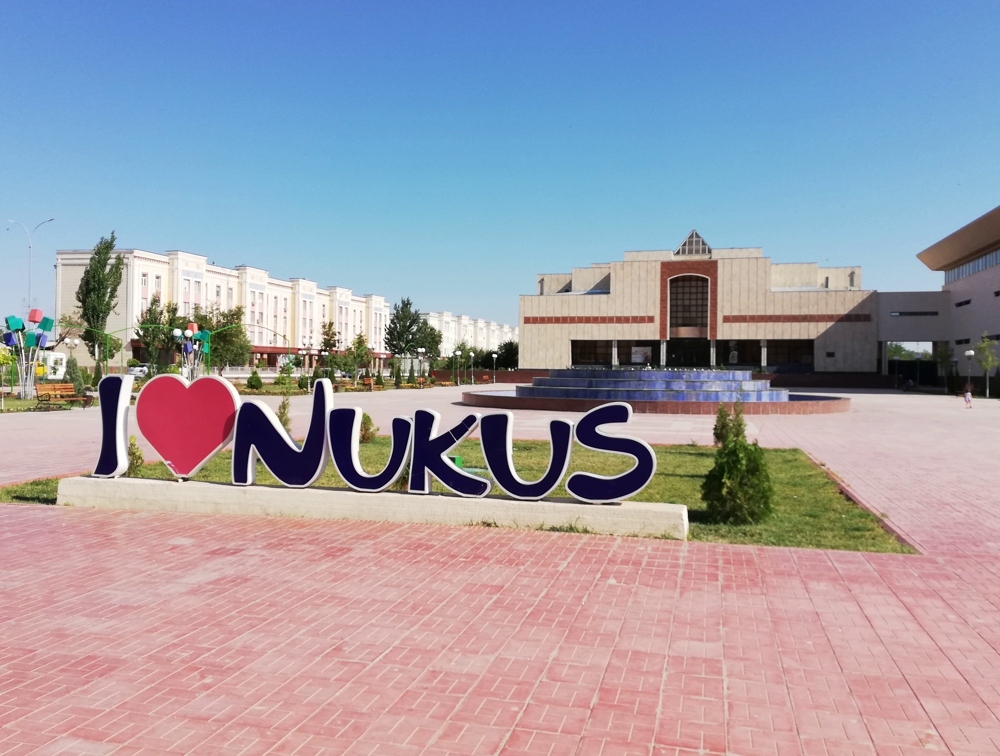 The experience of different regions shows that specific climate adaptation tools are already taking shape in Uzbekistan’s cities. In Tashkent, a digital inventory of green areas is being maintained. In Karakalpakstan, projects for reusing treated wastewater are being implemented. In the Aral Sea region, work is being carried out to stabilize the dried seabed and reduce dust storms by planting saxaul. Water-saving technologies, digital monitoring, and natural resource management systems are being developed across the country. However, a city’s climate resilience cannot be created by a single project.
Saving water, preserving mature trees, expanding green areas, collecting rainwater, reusing treated wastewater, preparing for extreme heat and torrential rains, improving monitoring systems, and informing residents about climate risks must be implemented in an interconnected manner.
In addition, the social dimension of climate adaptation must not be forgotten.
The ability of women, children, persons with disabilities, and other vulnerable groups to access information, social services, financial resources, and legal assistance is also part of climate resilience. How can Uzbekistan’s cities become cooler, more water-efficient, greener, and more resilient to extreme weather events?
The initial solutions already exist. The task now is to scale up effective projects, abandon ineffective practices, and assess the results of climate adaptation not by the number of trees planted or equipment installed, but by how safe, comfortable, resilient, and economically protected people’s lives have become.
Nargis Qosimova