

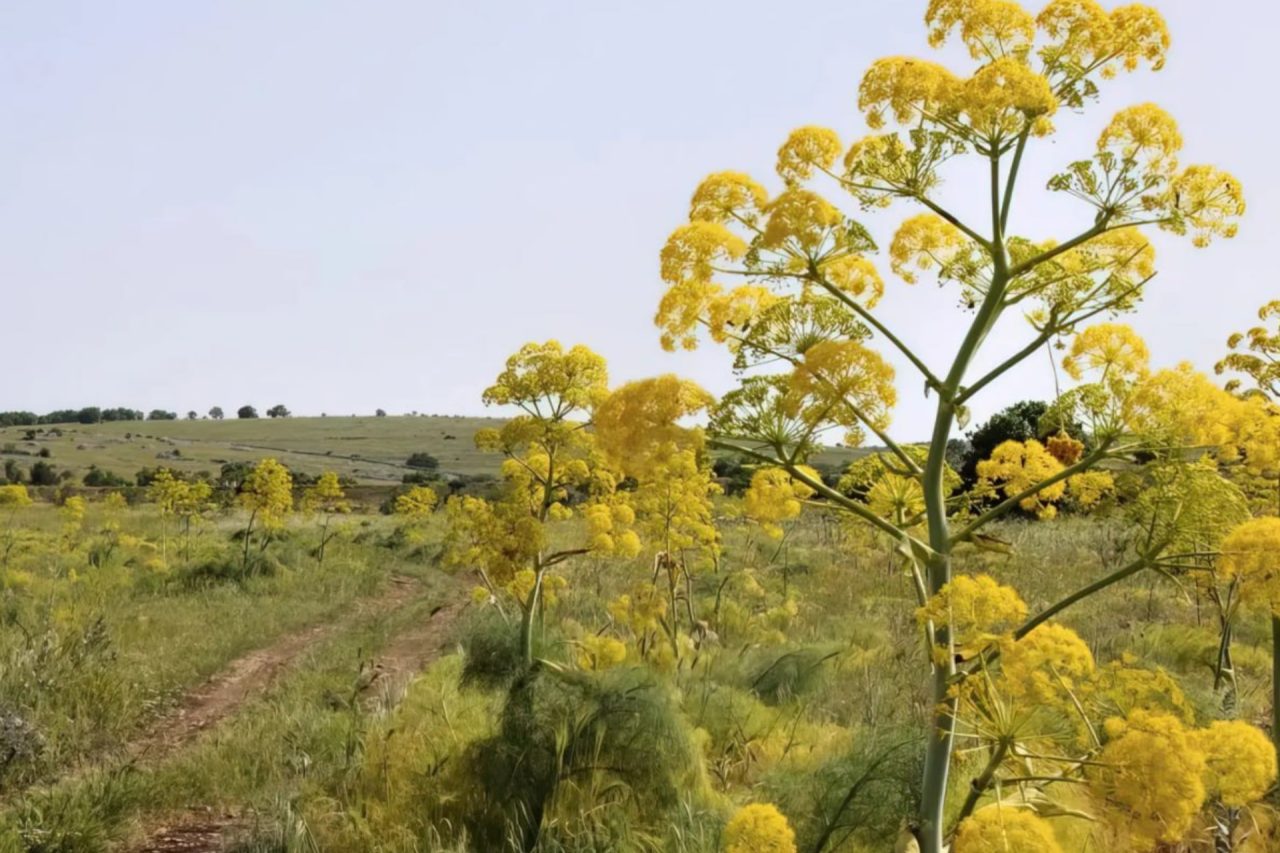
Resolution No. 245 of the Cabinet of Ministers of the Republic of Uzbekistan, dated 15 May 2026, improves the procedure for collecting and harvesting technical and medicinal raw materials from wild plants, as well as plants intended for food purposes. Under the new procedure, the right to special use of plant resources for the collection and harvesting of wild plants is granted through electronic online auctions.
The new mechanism aims to digitalise the process of accessing natural resources, simplify permitting procedures, and create equal opportunities for businesses. At the same time, compliance with environmental requirements and established restrictions remains essential when using plant resources.
What Benefits Will Businesses Receive?
First and foremost, the new procedure is intended to increase the transparency and openness of the process of granting rights to use natural resources. All interested participants may take part in electronic online auctions within the approved quotas and under the established conditions.
The allocation of rights to use natural resources through electronic auctions will be based on clear rules and principles of competition. This will enable businesses to plan their activities in advance, assess available opportunities, and organise the collection and harvesting of raw materials on a legal basis.
Furthermore, the electronic mechanism will help reduce human involvement, minimise unnecessary administrative procedures, and ensure that rights to use natural resources are allocated through market-based mechanisms. As a result, businesses will have greater opportunities to access relevant information, review participation requirements, and make independent decisions.
The new procedure is particularly important for businesses involved in harvesting medicinal plants, technical raw materials, and wild plants used in food production. Organising these activities on a legal basis can help improve raw material supply planning and support the continuity of production processes.
Quotas Established in Line with Environmental Requirements
An important feature of the new mechanism is that participation in electronic online auctions does not grant the right to collect unlimited quantities of wild plants. The volume of natural resources that may be collected is restricted by established quotas.
Quotas for the collection and harvesting of technical and medicinal raw materials from wild plants, as well as plants intended for food purposes, are approved annually by the National Committee on Ecology and Climate Change on the basis of a conclusion issued by the Academy of Sciences.
This approach is designed to regulate the use of natural resources while taking into account the condition of natural reserves, the capacity of plant species to regenerate, and the need to maintain ecological balance. Excessive collection of wild plants may lead to declining populations of certain species, the degradation of their natural habitats, and adverse effects on biodiversity.
Therefore, establishing quotas plays an important role in balancing economic interests with environmental protection requirements. Businesses must operate within the approved limits and comply with the applicable environmental regulations.
The Permitting Process Is Simplified
Another important feature of the new procedure is the reduction of unnecessary paperwork when issuing permits to auction winners.
The auction results protocol serves as the basis for issuing a permit granting the right to special use of plant resources. Auction winners are not required to submit additional documents.
Furthermore, under the established procedure, no additional fees related to permit issuance are charged to auction winners. This will help businesses save time, reduce administrative expenses, and complete the permitting process more conveniently.
These changes are intended to reduce administrative barriers to business activities and make the permit issuance process clearer and more straightforward.
Electronic System Promotes Transparency and Competition
Granting the right to special use of plant resources through electronic auctions creates a more transparent and competitive environment for businesses.
Participants will be able to review auction conditions, the types of available resources, the relevant territories, and the established quotas. Based on this information, they can assess their financial and operational capabilities and decide whether to participate in the auction.
Electronic auctions help improve procedural transparency, ensure that common rules apply to participants, and allocate the right to use natural resources on a competitive basis. This also supports the transition from administrative allocation towards a mechanism based on market principles.
At the same time, the electronic system creates additional opportunities for businesses to operate legally. Organising the collection and harvesting of raw materials in accordance with established requirements is also important for planning product supplies and increasing accountability in the use of natural resources.
Sustainable Use of Natural Resources Remains a Priority
The primary objective of the new procedure is not limited to creating additional opportunities for businesses. One of its key goals is to ensure the lawful, regulated, and environmentally sustainable use of wild plants.
For this reason, electronic online auctions are conducted exclusively within approved quotas. This approach helps regulate the volume of natural resource use, prevent illegal collection and harvesting, and protect plant resources.
Wild plants are an important source of raw materials for various industries, including pharmaceuticals, food production, and other sectors. At the same time, they play a significant role in natural ecosystems by contributing to biodiversity conservation, soil protection, and the maintenance of ecological balance.
Therefore, the use of wild plants must take into account not only current economic needs but also the importance of preserving natural resources for the future. Compliance with established quotas, conducting activities in authorised areas, and meeting environmental requirements all contribute to the conservation of natural resources.
Overall, the introduction of the electronic mechanism aims to create more favourable conditions for businesses involved in the collection and harvesting of wild plants, simplify permitting procedures, and promote competition. At the same time, restricting resource use to approved quotas helps align economic activities with environmental protection requirements, ensure the rational use of plant resources, and preserve their natural reserves for future generations.