

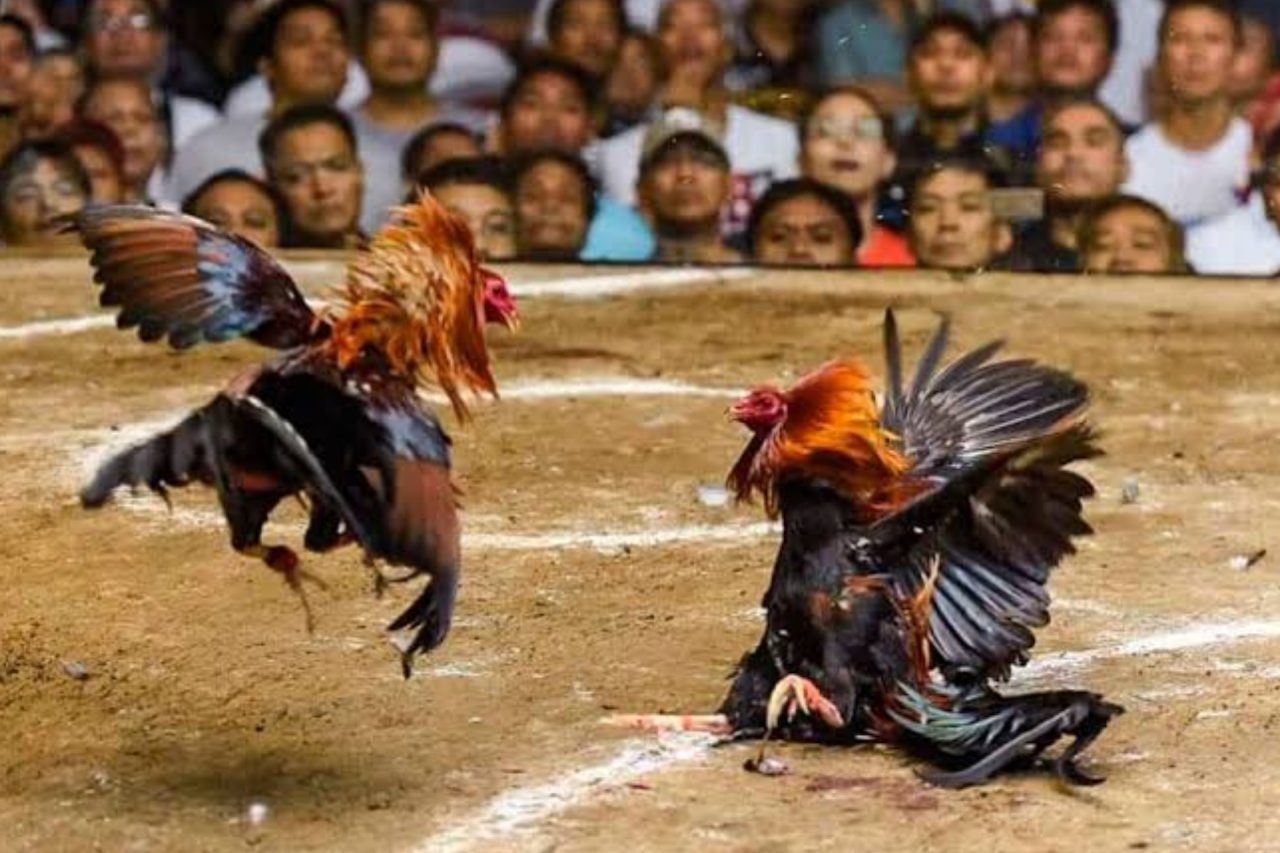
In Islamic teachings, treating animals with compassion is an important moral principle. Deliberately provoking animals to fight one another, taking pleasure in their suffering, and turning their pain into entertainment contradict the principle of mercy.
What Do Quranic Commentaries Say About Cockfighting?
In verse 29 of Surah Al-Ankabut, Almighty Allah speaks about the deeds of the people of Prophet Lot:
أَئِنَّكُمْ لَتَأْتُونَ الرِّجَالَ وَتَقْطَعُونَ السَّبِيلَ وَتَأْتُونَ فِي نَادِيكُمُ الْمُنْكَرَ
Meaning: “Do you approach men, obstruct the roads, and commit reprehensible acts in your gatherings?”
In explaining the phrase “commit reprehensible acts in your gatherings,” Muslim scholars have described various objectionable practices attributed to the people of Lot. Some accounts mention cockfighting and setting rams against one another.
The renowned Quranic commentator Imam Ibn Kathir, in his work Tafsir al-Qur’an al-Azim, discusses verse 29 of Surah Al-Ankabut and cites reports stating that some members of the people of Lot made rams fight one another and arranged fights between roosters.
According to these reports, cockfighting is mentioned among the objectionable activities said to have taken place at the gatherings of that people.
Imam Al-Qurtubi also cites a report attributed to Abdullah ibn Abbas, may Allah be pleased with him, in his well-known commentary Al-Jami‘ li Ahkam al-Qur’an. The report states that the people of Lot committed other sins in addition to indecent acts. Among the practices listed are making roosters fight one another and setting rams against one another.
Thus, in these Quranic commentaries, cockfighting is mentioned among the objectionable practices attributed to the people of Lot. However, these accounts should be understood as reports found in historical and religious sources, and their authenticity should be assessed by consulting the original texts.
The Prohibition Against Provoking Animals to Fight
Islam encourages people to treat animals with kindness, show them compassion, and avoid causing them suffering. The issue of provoking animals to fight one another is also addressed in hadith literature.
A narration attributed to Abdullah ibn Abbas, may Allah be pleased with him, states that the Messenger of Allah, peace and blessings be upon him, prohibited provoking animals to fight one another. This narration is associated with the hadith collections of Abu Dawud and At-Tirmidhi.
The underlying principle is clear: people should avoid actions that cause animals unnecessary suffering or injury for the sake of entertainment.
During cockfights, one rooster may peck out another bird’s eye, injure its head, cause bleeding, or even lead to its death. Spectators may view the event as a competition, but taking pleasure in the pain and injuries of a living creature raises serious ethical concerns.
A person’s responsibility toward animals goes beyond feeding and caring for them. It also includes refraining from deliberately causing them suffering.
Cockfighting and Gambling
At some cockfighting events, participants place monetary bets. In such cases, the mistreatment of animals is accompanied by the additional concern of gambling.
In verse 90 of Surah Al-Ma’idah, Almighty Allah states:
إِنَّمَا الْخَمْرُ وَالْمَيْسِرُ وَالْأَنْصَابُ وَالْأَزْلَامُ رِجْسٌ مِنْ عَمَلِ الشَّيْطَانِ فَاجْتَنِبُوهُ لَعَلَّكُمْ تُفْلِحُونَ
Meaning: “Indeed, intoxicants, gambling, stone altars, and divining arrows are an abomination of Satan’s handiwork. So avoid them, that you may prosper.”
Therefore, when monetary betting is involved in cockfighting, a separate religious concern arises regarding gambling. Calling such events “sport,” “competition,” or an “ancient tradition” does not automatically change their ethical or religious implications.
Every tradition should be evaluated according to the principles of humanity, morality, and compassion.
Compassion Is a Virtue of the Believer
The story of the people of Prophet Lot is mentioned in the Quran so that people may learn from it, avoid sin, and refrain from repeating reprehensible actions. From this perspective, it is important to reflect on the practices described in religious commentaries and draw appropriate lessons from them.
Those interested in cockfighting should ask themselves several questions: Is it really necessary to make two living creatures fight for entertainment? Is taking pleasure in the suffering of animals consistent with human dignity? Can an interest in competition be fulfilled in ways that do not harm living creatures?
The answer is yes. Interest in sport can be expressed through competitions that do not harm animals. Young people can be encouraged to pursue a healthy lifestyle, participate in fair sporting events, and engage in other constructive activities.
It is equally important to teach children not to torment animals but to care for them. Human strength is not demonstrated by the ability to hurt a vulnerable creature, but by the ability to refrain from cruelty.
Conclusion
In their commentaries, Ibn Kathir and Al-Qurtubi mention cockfighting among the objectionable practices attributed to the people of Prophet Lot. Al-Qurtubi also cites a report attributed to Abdullah ibn Abbas. These accounts provide grounds for considering the issue from a religious and ethical perspective. Nevertheless, the authenticity of the relevant reports should be verified through the original sources.
Most importantly, deliberately provoking animals to fight one another can cause injuries and suffering. Rather than promoting such spectacles, society should foster a culture of compassion toward animals and encourage young people to avoid entertainment based on cruelty and gambling.
Compassion is a virtue of the believer, and refraining from causing suffering to living creatures is an important moral principle.
©️ Abror Muxtor Aliy