

The issue extends beyond capturing stray dogs. It also raises questions about where the animals are taken, the conditions in which they are kept in shelters, and how they are treated afterward.
The Relocation of Stray Animals to Shelters
The issue of stray dogs has long been a subject of public debate in Türkiye. On the one hand, authorities need to protect public safety, prevent dog attacks, and control the population of stray animals. On the other hand, animal welfare organizations argue that mass capture alone cannot solve the problem.
As measures to relocate stray animals to shelters have intensified, reports have emerged from various areas about dogs being removed from the streets. This has caused concern among residents, particularly when the animals have lived in the same neighborhoods for years and have been cared for by local communities.
Some residents do not see these dogs merely as strays, but as animals they regularly feed and have grown attached to. As a result, questions are increasingly being raised about where the dogs are taken, the conditions in which they are kept, and whether people can visit them or adopt them later.
Shelter Capacity and the Fate of Animals
One of the main challenges is the gap between shelter capacity and the number of animals that need to be accommodated. If shelters lack sufficient space, food, clean water, veterinary care, and qualified staff, the mass removal of dogs from the streets could create additional animal welfare concerns.
Some animal welfare activists have raised concerns about shortages of food and water and inadequate living conditions in certain shelters. However, each allegation must be investigated individually and supported by independent evidence relating to specific facilities and cases. It would therefore be inaccurate to assume that conditions are the same in all shelters.
Members of the public are calling for greater transparency not only regarding the capture process but also the animals’ subsequent fate. Key questions include how many animals have been placed in shelters, what veterinary care they receive, and how adoption procedures are organized.
Volunteers Step In to Protect Animals
Amid the growing controversy, volunteers and animal welfare activists are launching various initiatives to help affected animals. Their efforts include finding safe locations, arranging temporary accommodation, providing food and water, and searching for families willing to adopt the dogs.
Local residents also play an important role in these initiatives. People who have cared for stray animals over an extended period may have valuable information about their behavior, health, and usual surroundings.
However, volunteers have limited resources. They may not be able to provide care or long-term accommodation for every animal independently. Cooperation among municipal authorities, veterinary services, animal welfare organizations, and local communities is therefore essential.
Concerns About Cats Also Emerge in Istanbul
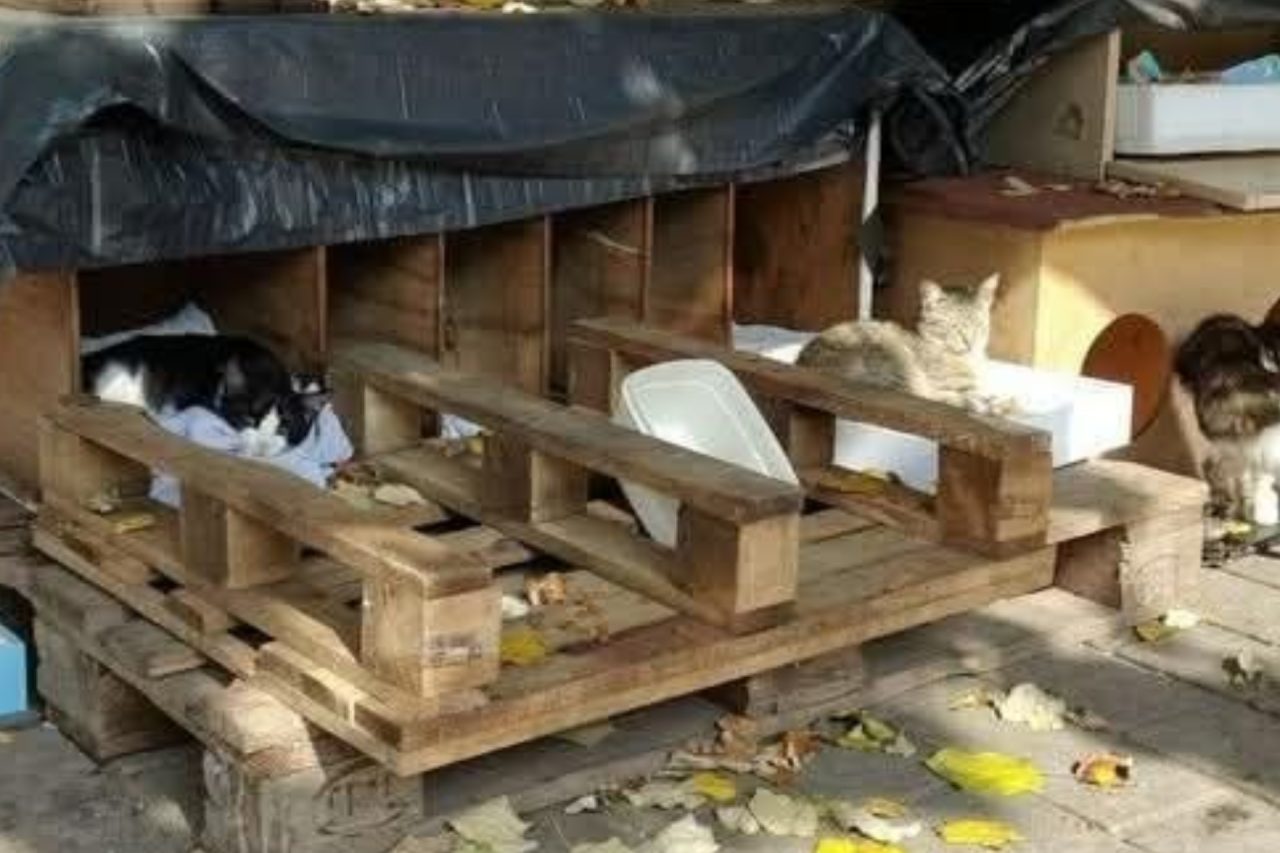
Measures targeting stray animals have also raised concerns among residents of Istanbul who care for cats. Cats live in many neighborhoods across the city and are often fed and looked after by local residents. Some people fear that measures currently being applied to dogs could eventually affect other stray animals as well.
However, it would be premature to conclude that the same regulations governing dogs are being applied to cats in an identical manner without examining the relevant legislation and its implementation.
The debate has renewed discussions about how humans and animals can coexist in urban environments, how public spaces should be managed, and how communities can promote responsible treatment of animals.
What Could Help Address the Problem?
Several approaches are important in discussions involving experts and animal welfare organizations: managing animal populations, improving veterinary services, encouraging adoption, ensuring transparency in shelter operations, and protecting public safety.
The situation in each area should be assessed individually. Animals that pose a risk to the public or show signs of illness should receive appropriate attention from qualified professionals. Decisions concerning other animals should be made in accordance with the law and animal welfare standards.
Publishing transparent reports on shelter capacity, funding, sanitary conditions, and veterinary supervision could help strengthen public trust. Adoption programs and public awareness campaigns promoting responsible animal care could also form an important part of a long-term solution.
The debate over stray animals in Türkiye raises an important question: How can public safety be ensured while also protecting the lives and welfare of animals?
An effective solution requires more than simply removing animals from the streets. It must also consider their future, living conditions, and long-term protection.