

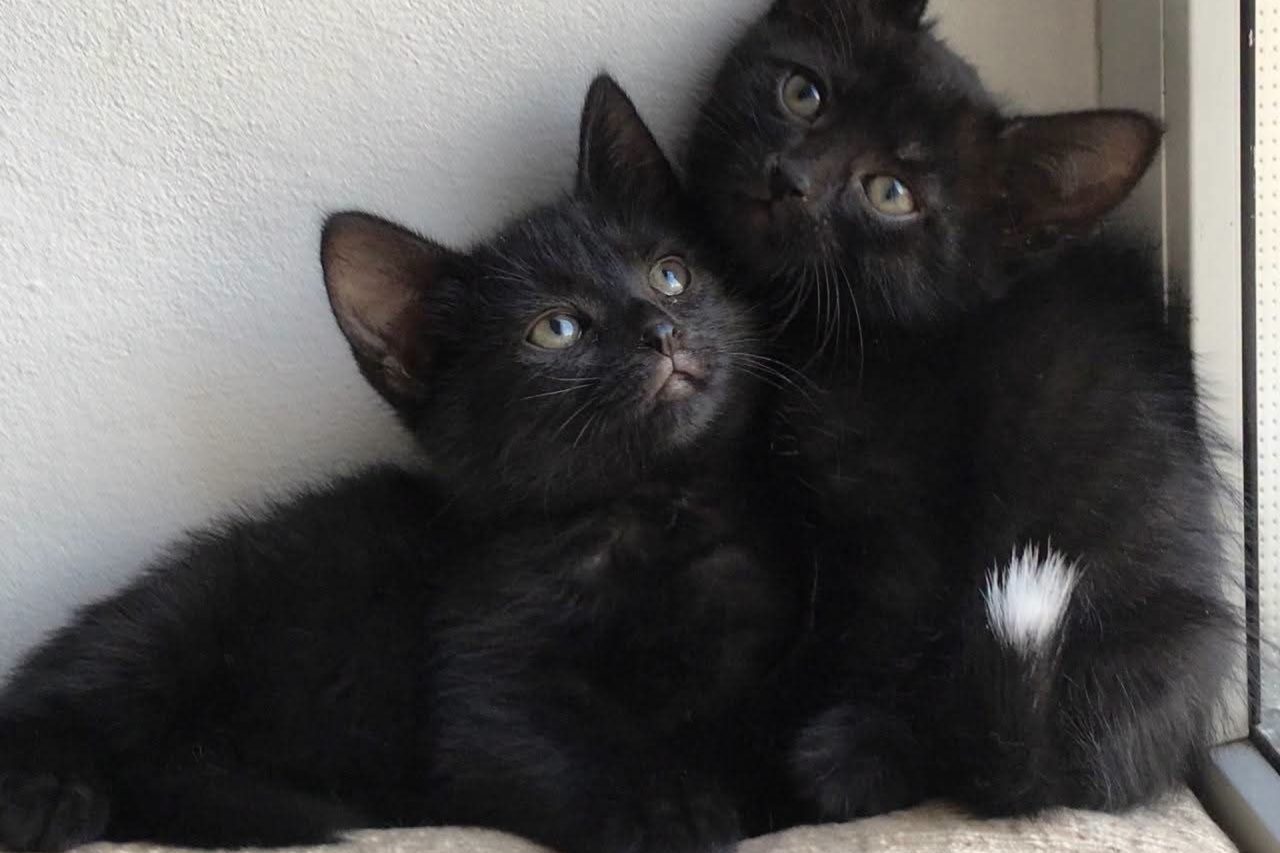
According to the Russian news outlet Shot, concerns have emerged that black cats could be taken from the streets or removed from animal shelters for use in various rituals as Halloween draws closer. As a precaution, some animal welfare organisations are introducing additional restrictions on adopting out these animals.
Why black cats?
For centuries, black cats have held a particular place in the myths and superstitions of different cultures. In some traditions, they have been associated with bad luck, witchcraft and supernatural phenomena. Such beliefs often become more prominent around Halloween.
However, a cat's coat colour has no connection to its personality or any supposed supernatural qualities. Black cats, just like all other domestic animals, deserve love, care and a safe environment.
Nevertheless, concerns about the possible misuse of animals in rituals and incidents of cruelty have prompted animal welfare organisations to strengthen their protective measures.
What precautions are shelters taking?
Some animal shelters temporarily stop placing black cats with new owners several weeks before Halloween. Others introduce stricter screening procedures for prospective adopters, including additional interviews and checks of living conditions, to ensure that animals are going to responsible homes.
The primary aim of these measures is to protect animals and prevent them from becoming victims of cruelty or neglect.
At the same time, it is important to recognise that not every report concerning threats to black cats has been independently verified. Shelters should therefore take reasonable precautions without contributing to unnecessary panic or spreading unfounded claims.
What should be considered when adopting out animals?
Volunteers and animal welfare organisations that rescue cats from the streets and provide them with temporary shelter should exercise particular care when selecting new owners.
Important precautions include:
Gathering sufficient information about prospective adopters;
Checking the conditions in which the animal will be kept;
Understanding why the person wants to adopt a cat;
Conducting an interview with the prospective owner when necessary;
Maintaining contact with the new owner, where possible, after the adoption.
Adopting an animal is not simply about taking it home from a shelter. It means accepting responsibility for its life, health and well-being.
Animals deserve protection too
Superstitions, myths and prejudices surrounding black cats must never become a threat to their safety. No animal should face discrimination, cruelty or sacrifice because of its appearance or fur colour.
Preventing animal cruelty is not solely the responsibility of shelters and volunteers — it is a responsibility shared by society as a whole.
Remember: animals feel pain and need love and care. Protecting them is an expression of compassion, humanity and responsibility.