

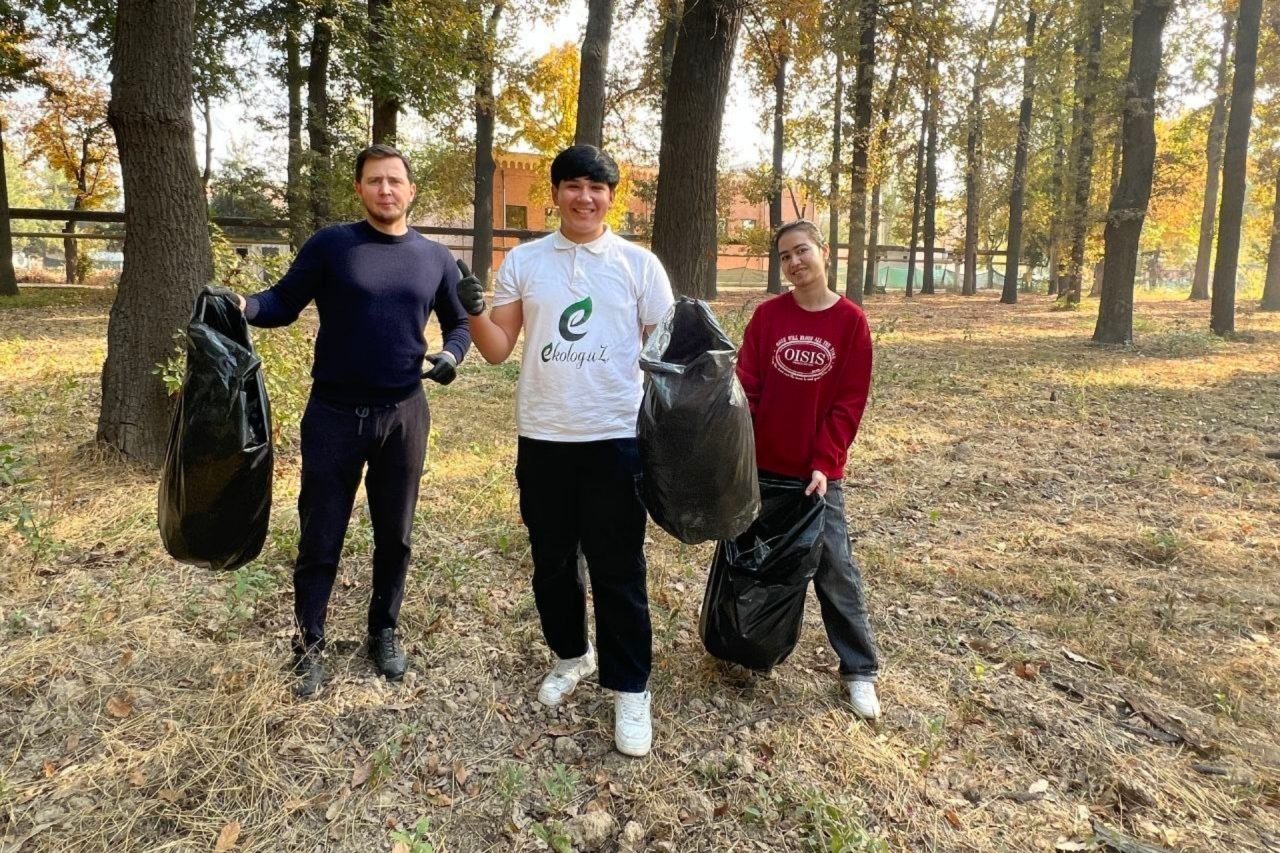
The initiative was jointly organized by Green University ECO CLUB and the Tashkent Green School Council under the Ekolog Public Association.
Plogging is an environmental movement that combines physical activity with litter collection. Originating in Sweden, this initiative has gained popularity in many countries around the world. Its main concept is to collect litter while jogging or walking, allowing participants to combine physical exercise with efforts to maintain a clean environment.
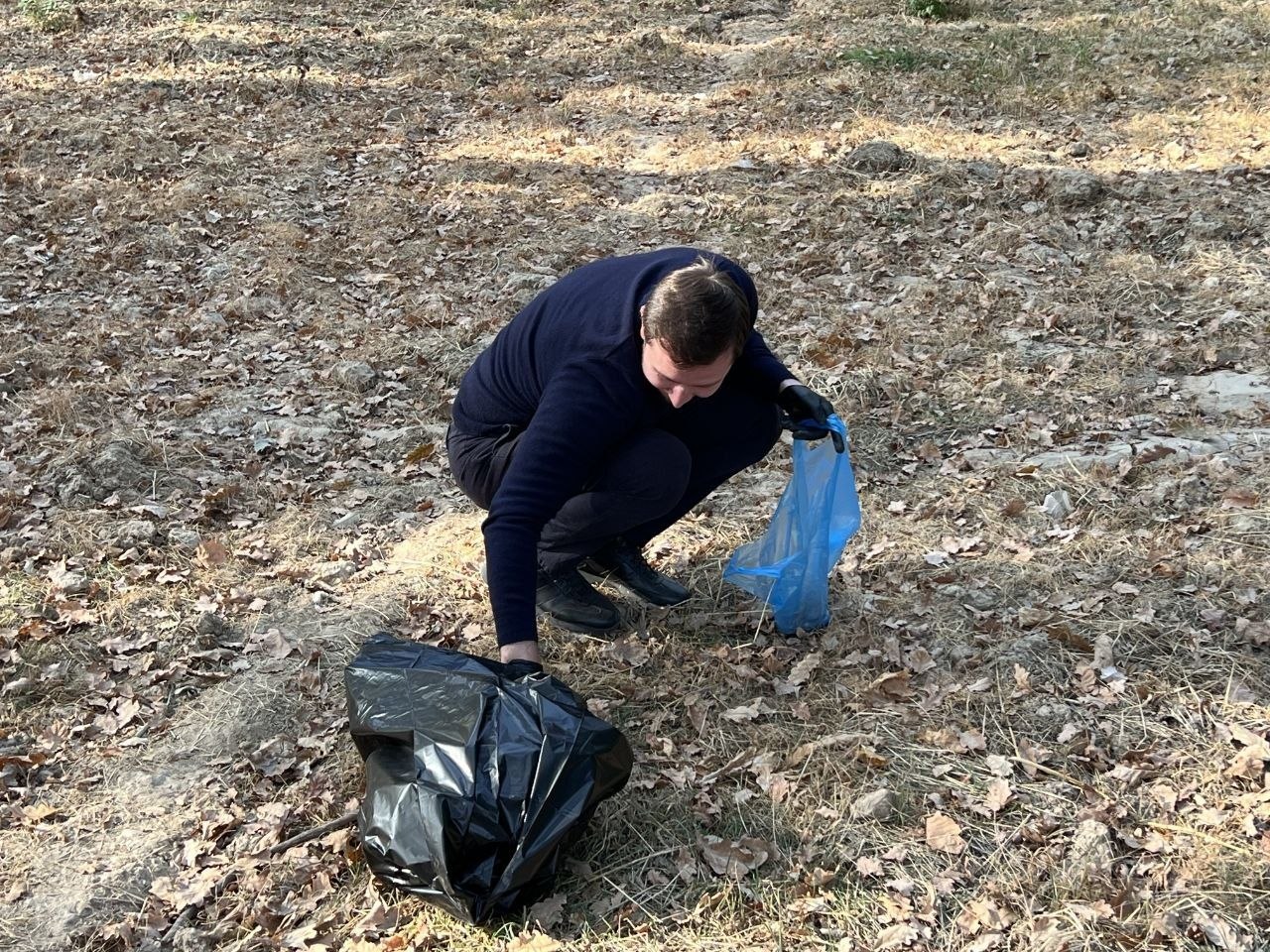
During the campaign, students and young environmental activists actively participated in cleaning up the university grounds. The event encouraged young people to become more involved in addressing environmental challenges and highlighted the importance of collective action in protecting nature.
Today, increasing waste generation and environmental pollution remain among the most pressing global environmental challenges. In this context, improving environmental awareness and engaging the public, particularly young people, in practical conservation initiatives are becoming increasingly important.
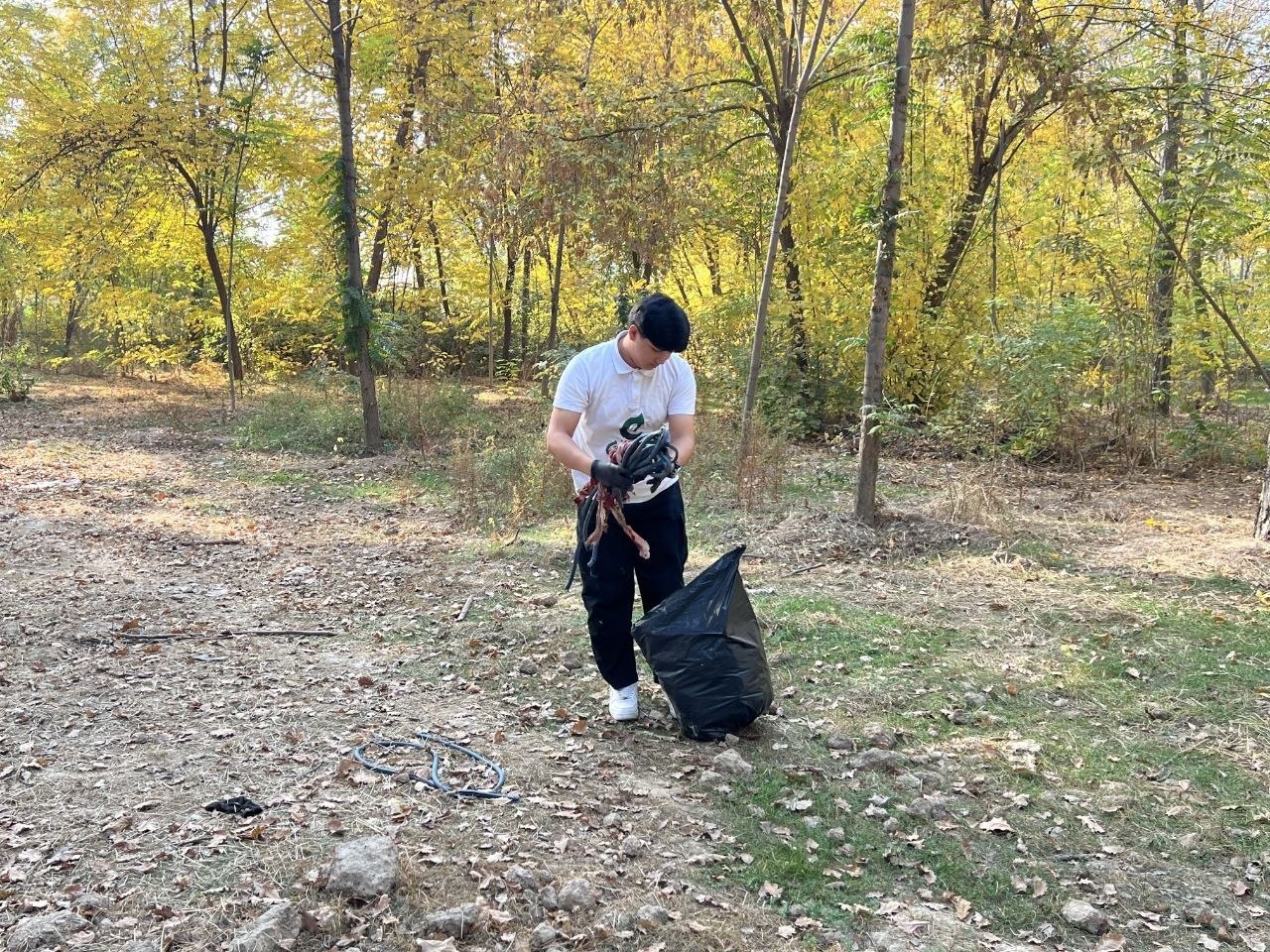
Implementing such projects at higher education institutions enables students to apply their theoretical knowledge in practice. At the same time, these activities help develop positive everyday habits, including proper waste disposal, maintaining cleanliness in public spaces, and using natural resources responsibly.
The collaboration between Green University ECO CLUB and the Tashkent Green School Council demonstrated the potential of partnerships between educational institutions and public organizations in implementing environmental initiatives. Such cooperation could provide a foundation for expanding youth-led environmental projects in the future.
The plogging campaign at Green University went beyond a routine cleanup event, serving as a practical example of encouraging young people to take an active role in environmental protection. After all, achieving environmental sustainability depends not only on large-scale government programs and projects but also on the responsible everyday actions of individuals.