

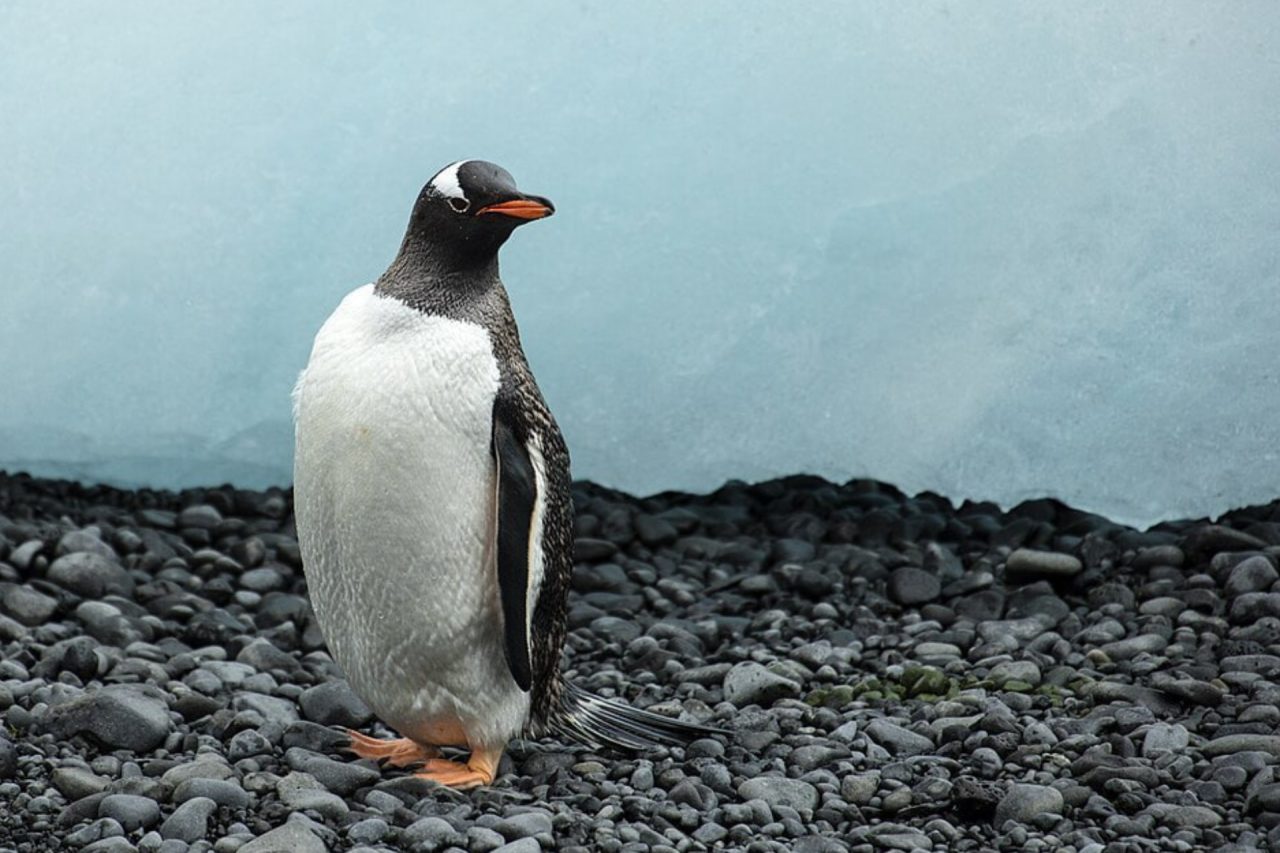
This behavior is especially common among gentoo penguins. During the breeding season, a male penguin begins searching for the best stone to offer to a female he likes. It is not simply any stone he happens to find. The penguin pays attention to its shape, size, and suitability for building a nest. Sometimes, he may spend considerable time looking for the right one.
Once he finds a suitable stone, the male presents it to the female. If she accepts the gift, it is considered a sign that the pair has formed. The two penguins then begin building their nest together, and the stone brought by the male becomes part of their future home.
For penguins, stones are more than just building materials. In cold environments, they help protect eggs and chicks from moisture and the frozen ground. That is why choosing a good stone can be important not only for the pair but also for their future offspring.
Interestingly, penguins can also compete over the best stones for nest building. Some birds may even attempt to take stones from neighboring nests, which can sometimes lead to small conflicts between them.
Scientists have observed this behavior many times. Giving a stone is not only part of the courtship process but also contributes to building a nest together and establishing cooperation between the pair.
Humans may give flowers, rings, or other expensive gifts to someone they love. For gentoo penguins, however, the most meaningful gift can be an ordinary little stone. Its value is not measured by its price, but by what it represents — attention, devotion, and the promise of a shared future.
That is what makes this behavior one of the most touching and heartwarming examples of affection in the animal world. Sometimes, expressing love does not require an expensive gift — a single little stone can become a symbol of devotion and a shared future.