

In such a situation, the efforts of doctors alone may not be enough. Where did the disease originate? Who detected it among animals? What changes occurred in the environment? Did climate conditions contribute to its emergence? Answering these questions requires the joint efforts of experts in medicine, veterinary science, ecology, laboratory diagnostics, and epidemiology.
At a time when biological threats and the risk of emerging infectious diseases are increasing worldwide, this approach is becoming more important than ever. Human health can no longer be viewed separately from animal and environmental health.
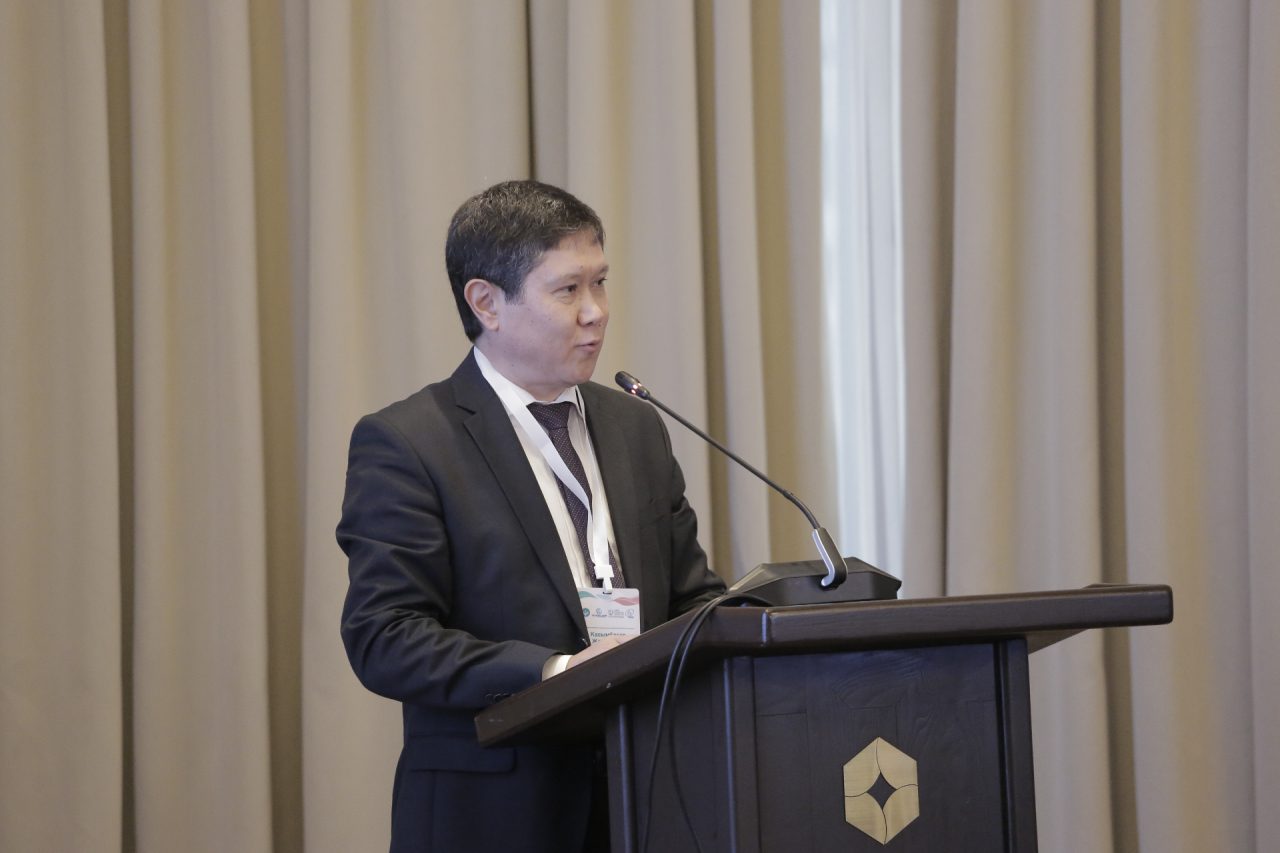
These issues are being discussed at the Second Annual Regional One Health Conference 2026, taking place in Bishkek on September 14–15.
The event brings together representatives from all five Central Asian countries—Kazakhstan, Kyrgyzstan, Tajikistan, Turkmenistan, and Uzbekistan—as well as international organizations, scientists, veterinarians, and public health experts.
The core idea of the One Health approach is simple: identify risks before diseases begin spreading widely among people.
Some zoonotic diseases can be transmitted from animals to humans. Therefore, it is essential to monitor diseases from their earliest stages in animal populations rather than waiting until they are detected in humans. This requires continuous information sharing among veterinary services, healthcare institutions, epidemiologists, ecologists, and laboratories.
This is precisely the conference’s main focus: not only discussing One Health principles but also finding practical ways to implement them.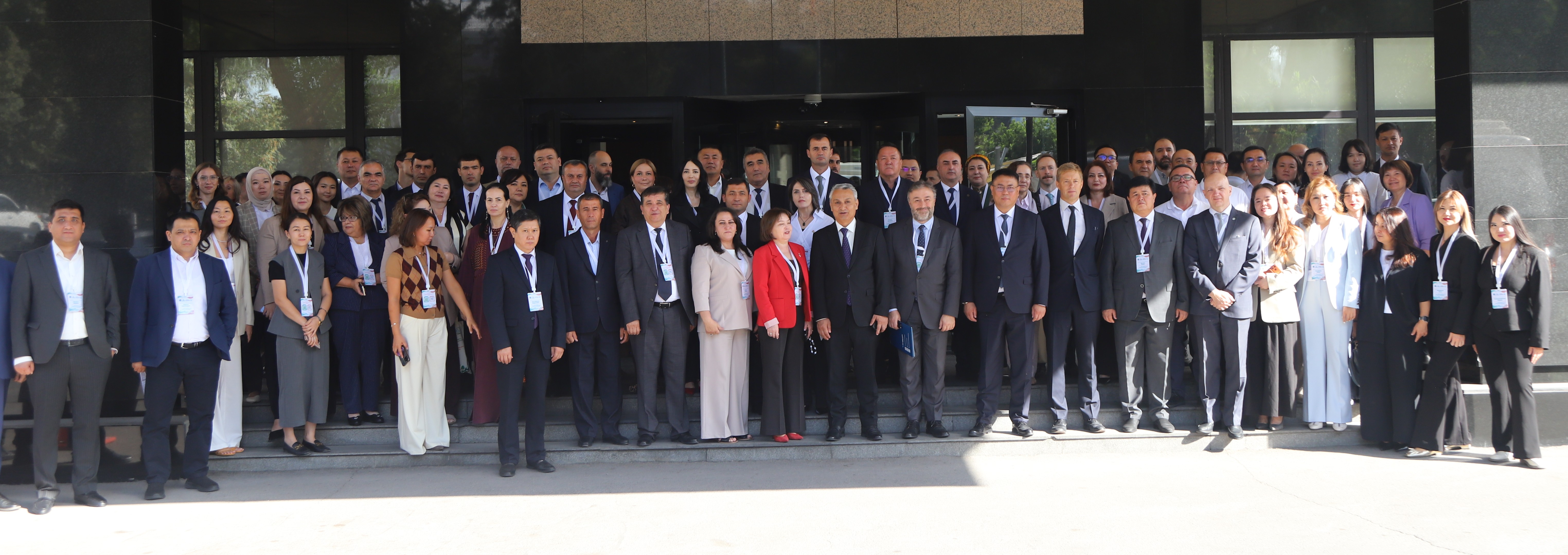
Does Climate Change Also Change Disease Patterns?
When discussing climate change, people often think about rising temperatures, droughts, or water shortages. However, there is another important dimension: how climate change affects the spread of diseases.
Changes in temperature and precipitation patterns can create favorable conditions for disease vectors such as mosquitoes and ticks or alter their geographic distribution. Water scarcity can also create additional challenges related to sanitation, food safety, and public health.
Climate change affects animal habitats as well. As animals move into new areas or come into closer contact with humans, the risk of zoonotic disease transmission may increase.
For this reason, assessing epidemiological risks today requires more than monitoring the number of patients in hospitals. Climate conditions, animal health, and environmental changes have become critical indicators of health security.
How Is Uzbekistan Monitoring Health Risks?
Uzbekistan is also strengthening its systems for the early detection of infectious diseases and response to biological threats.
According to the Committee for Sanitary-Epidemiological Welfare and Public Health, 102 infectious diseases are officially monitored in the country. These include hepatitis A, brucellosis, salmonellosis, and acute respiratory infections.
In recent years, an electronic disease surveillance system has been introduced, enabling health authorities to monitor disease outbreaks through a unified digital database. This system helps identify disease trends more quickly and supports timely decision-making.
However, the One Health approach goes beyond monitoring diseases in humans. Information about diseases emerging in animal populations must also be collected and shared promptly.
To support this effort, information exchange mechanisms have been established between the sanitary-epidemiological authorities and veterinary services regarding diseases affecting both humans and animals. For example, outbreaks of diseases such as brucellosis are investigated jointly with veterinary specialists.
Experts note that Uzbekistan’s level of preparedness under the International Health Regulations stands at 74 percent. International risk assessment instruments have also been incorporated into national practice. In addition, regional rapid response centers have been established in Nukus and Termez.
These measures improve the country’s ability to assess situations quickly and respond effectively when epidemic threats arise.
At the same time, significant challenges remain. Expanding access to modern information technologies across all regions, strengthening genomic surveillance of zoonotic diseases, enhancing laboratory capacities, and increasing national capabilities for vaccine and serum production are among the key priorities.
Kyrgyzstan Enters a New Stage of One Health Implementation
One of the major developments announced at the Bishkek conference is the official launch of the first phase of Kyrgyzstan’s One Health Program.
The program focuses on preventing zoonotic diseases, combating antimicrobial resistance, strengthening food safety, and improving laboratory and epidemiological surveillance systems.
The conference is also presenting Kyrgyzstan’s National One Health Strategy and its implementation roadmap. These documents aim to establish a unified approach to managing risks related to human, animal, and environmental health across the country.
Five Countries — One Shared Risk
Many of the challenges facing Central Asian countries are common across the region.
Diseases do not recognize national borders. Risks can spread from one country to another through animals, people, food products, and other pathways.
For this reason, it is essential not only to strengthen national monitoring systems but also to develop regional surveillance mechanisms, facilitate rapid information exchange, and coordinate responses when necessary.
As part of the conference, a meeting of the Regional One Health Coordination Council is also taking place. Participants are discussing a regional action plan and strategic priorities for the coming years.
Scientific seminars are examining emerging health threats, the links between climate change and zoonotic diseases, and the practical implications of scientific research for policymaking and disease prevention.
This Is Not Just a Health Sector Issue
The conference is organized with the support of the Government of Kyrgyzstan by the Regional Environmental Centre for Central Asia (CAREC) and the One Health Committee under the Cabinet of Ministers of Kyrgyzstan.
Financial support is provided by the World Bank, while technical assistance is being delivered by FAO, UNEP, the World Health Organization (WHO), and the World Organisation for Animal Health (WOAH).
The involvement of these international organizations highlights that One Health is not solely a healthcare issue.
The risk of epidemics may emerge far beyond hospital walls—in farms, pastures, water bodies, wildlife habitats, or ecosystems affected by environmental change.
The Most Important Question: Can We Recognize the Signal in Time?
Preparing for future pandemics is not measured only by building new laboratories or producing vaccines.
What matters most is the ability to connect information emerging from different sectors.
Veterinarians observe diseases among animals. Epidemiologists track changes in human populations. Ecologists monitor shifts in nature and ecosystems. Laboratories identify the characteristics of infectious agents.
If this information remains fragmented, it becomes difficult to see the broader picture of risk. But when it is integrated into a single system, the chances of detecting warning signs before a disease spreads widely increase significantly.
This is the fundamental objective of the conference in Bishkek: not merely responding to a pandemic after it begins, but identifying the risks that could lead to a pandemic before it happens.
Because sometimes the most important warning signs do not come from human illness itself. They appear much earlier—in changes among animals, in ecosystems, and in the climate.