

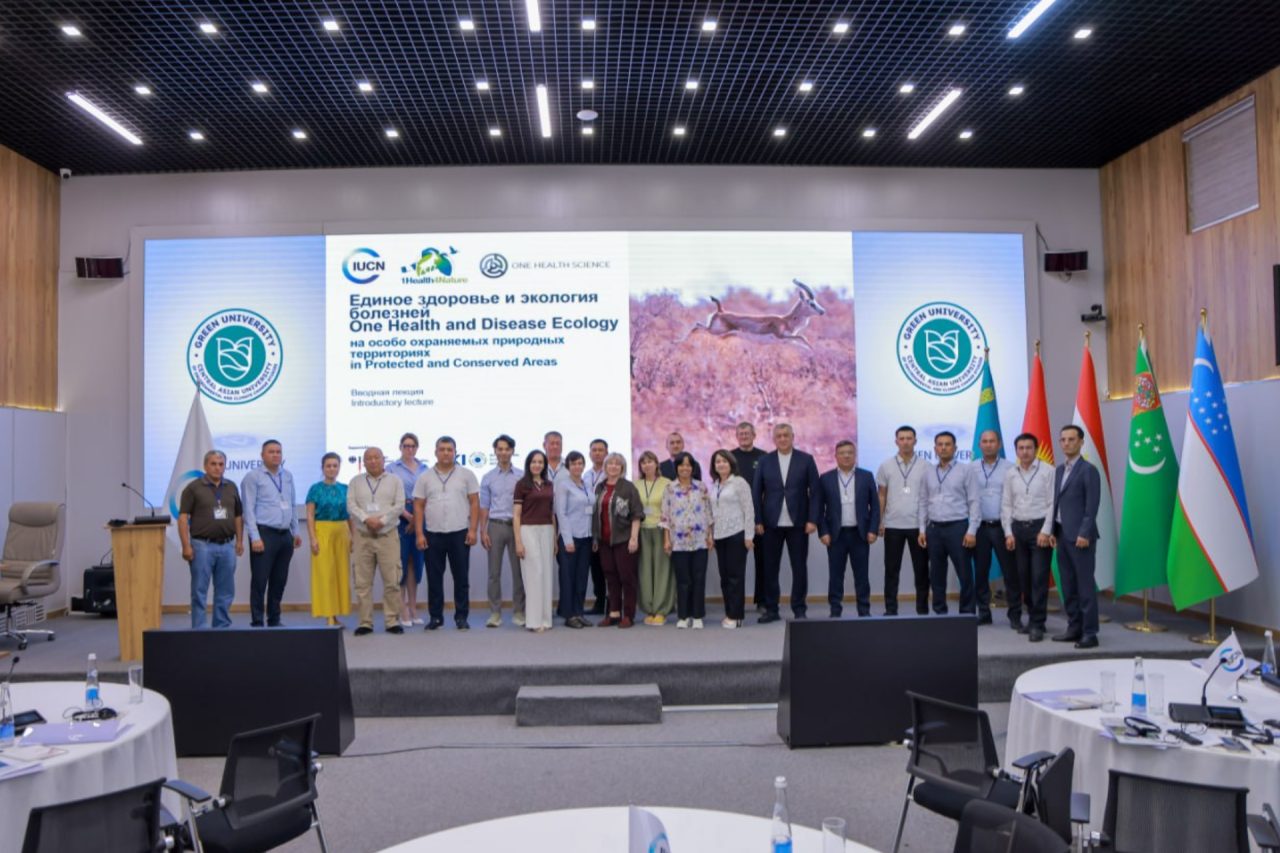
The event was organised within the framework of the One Health approach and brought together around 20 specialists from different regions of Uzbekistan, including staff of protected areas, wildlife researchers, veterinarians, scientists and public health professionals.
The main objective of the training was to strengthen specialists’ capacity to identify and prevent disease risks arising from interactions between wild and domestic animals, humans and the environment, as well as to promote the practical implementation of effective biosecurity measures.
Zoonotic diseases are infectious diseases that can be transmitted from animals to humans. Reducing the risk of their spread requires understanding the interactions between wildlife, livestock and people, as well as the potential threats present in their shared environments. Accordingly, the training placed particular emphasis on cooperation between the fields of nature conservation, veterinary medicine and public health.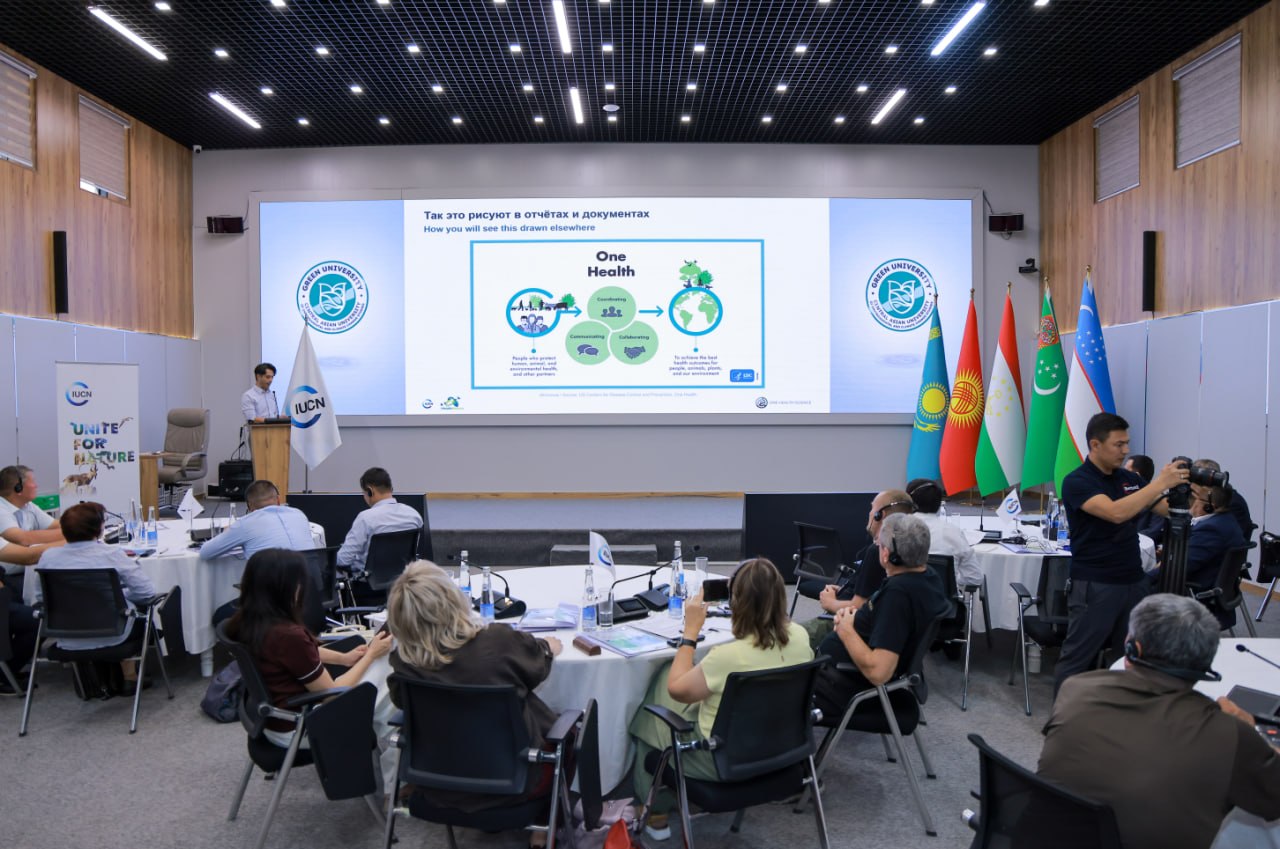
Uzbekistan Has Identified Eight Priority Zoonotic Diseases
As part of its efforts to establish national priorities under the One Health approach, Uzbekistan has identified eight priority zoonotic diseases: Crimean-Congo haemorrhagic fever, anthrax, rabies, brucellosis, zoonotic tuberculosis, plague, influenza and echinococcosis.
During the training, these diseases and other health threats relevant to the country were used as examples to examine potential risks arising from interactions between humans, animals and the environment. Participants also discussed the role of protected-area personnel in detecting signs of disease at an early stage, documenting observations and promptly reporting them to the relevant authorities.
According to Dao Nguyen, Senior Programme Manager of the IUCN Programme on Conservation Action, maintaining healthy ecosystems and conserving wildlife populations are important for reducing the risk of zoonotic disease transmission.
She noted that a better understanding of where and how wildlife, livestock and people interact can help assess and reduce the risk of diseases being transmitted from animals to humans. Protected areas, together with the people who manage and study them, play an important role in linking biodiversity conservation with broader health security.
Rangers, Inspectors and Researchers Play a Key Role
The training also highlighted the role of professionals who work directly with wildlife. Rangers, inspectors and researchers are often the first to observe unusual animal behaviour, signs of disease or cases of animal mortality.
According to Elena Bykova, Senior Researcher at the Institute of Zoology of the Academy of Sciences of the Republic of Uzbekistan, properly documenting such observations and promptly communicating them to the relevant authorities can make an important contribution to early-warning systems.
She noted that practitioners and researchers do not always fully assess the risks associated with zoonotic pathogens, while important biosecurity measures may sometimes be overlooked in their daily work. Such training sessions are therefore essential for improving awareness, strengthening risk assessment and making appropriate biosecurity practices an integral part of routine activities.
Representatives of Four Protected Areas Participated in the Training
The two-day event brought together rangers, inspectors and researchers from the Saygachiy Integrated Landscape Reserve, South Ustyurt National Nature Park, Chatkal State Biosphere Reserve and Zarafshan National Nature Park.
Representatives and experts from the National Committee on Ecology and Climate Change of the Republic of Uzbekistan, the Institute of Virology, the Institute of Zoology of the Academy of Sciences of the Republic of Uzbekistan, and the Agency for the Development of Livestock and Pasture Management under the Ministry of Agriculture of the Republic of Uzbekistan also participated.
Through technical sessions, practical exercises and scenario-based activities reflecting real-life situations, participants explored methods for identifying potential threats and responding to them effectively.
The programme covered biosecurity practices, safe handling of wildlife, monitoring and early warning, investigation of disease outbreaks, and assessment of risks associated with wildlife diseases. Sustainable tourism and engagement with local communities were also discussed.
Practical exercises included selecting and safely using personal protective equipment, as well as assessing potential risks associated with the discovery of dead wild animals. Participants strengthened their knowledge of appropriate precautionary measures and learned when to seek assistance from relevant specialists.
The training also introduced relevant IUCN guidance on the One Health approach and explored how these resources can be applied in protected and conserved areas.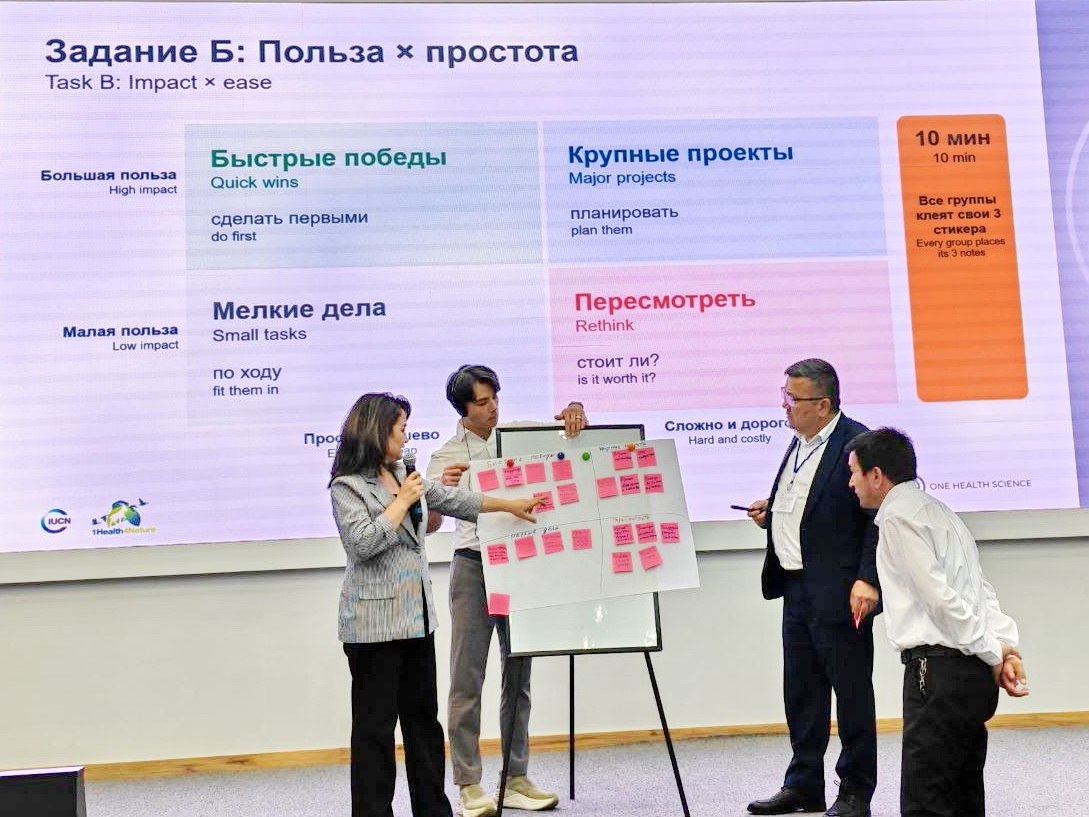
Local Conditions and Site-Specific Risks Were Discussed
According to Alexandra Zaslavskaya, a research officer at Zarafshan National Nature Park, interactions between wildlife and domestic livestock in protected areas can create risks of disease transmission.
She explained that the park occupies a long, narrow area, is not fenced and borders residential settlements. As a result, livestock may enter the park and come into contact with wild animals. The presence of stray dogs also poses additional challenges, as they may contribute to the spread of certain diseases.
Zaslavskaya expressed hope that the training would strengthen the park’s capacity to manage these risks and support healthy ecosystems, wildlife conservation and local communities.
Cooperation Between Specialists Can Help Identify Threats Earlier
According to Dr Marc Valitutto, a wildlife veterinarian and biosecurity specialist with One Health Science who led the training, reducing the risk of zoonotic pathogen transmission requires every professional to understand their responsibilities and know when to involve specialists from other fields.
For example, a protected-area employee may be the first to notice unusual animal behaviour or signs of illness. A veterinarian can then assess the potential impact on animal health, while public health professionals evaluate possible risks to humans.
Such cooperation helps ensure that information is communicated promptly and safely to the specialists best equipped to take appropriate action. This, in turn, strengthens the capacity to detect potential threats early and respond in a timely manner.
Action Plans Developed at the End of the Training
At the conclusion of the training, participants took part in an exercise focused on developing One Health action plans for the protected areas where they work.
Drawing on the knowledge and practical experience gained over the two days, they identified concrete steps to strengthen monitoring systems, manage potential risks associated with zoonotic disease transmission, and improve cooperation between nature conservation professionals, research institutions and biosecurity specialists.
About One Health: The One Health approach recognises the close interconnection between the health of people, animals and the environment. It aims to prevent diseases, reduce health risks and strengthen cooperation among professionals from different sectors.