

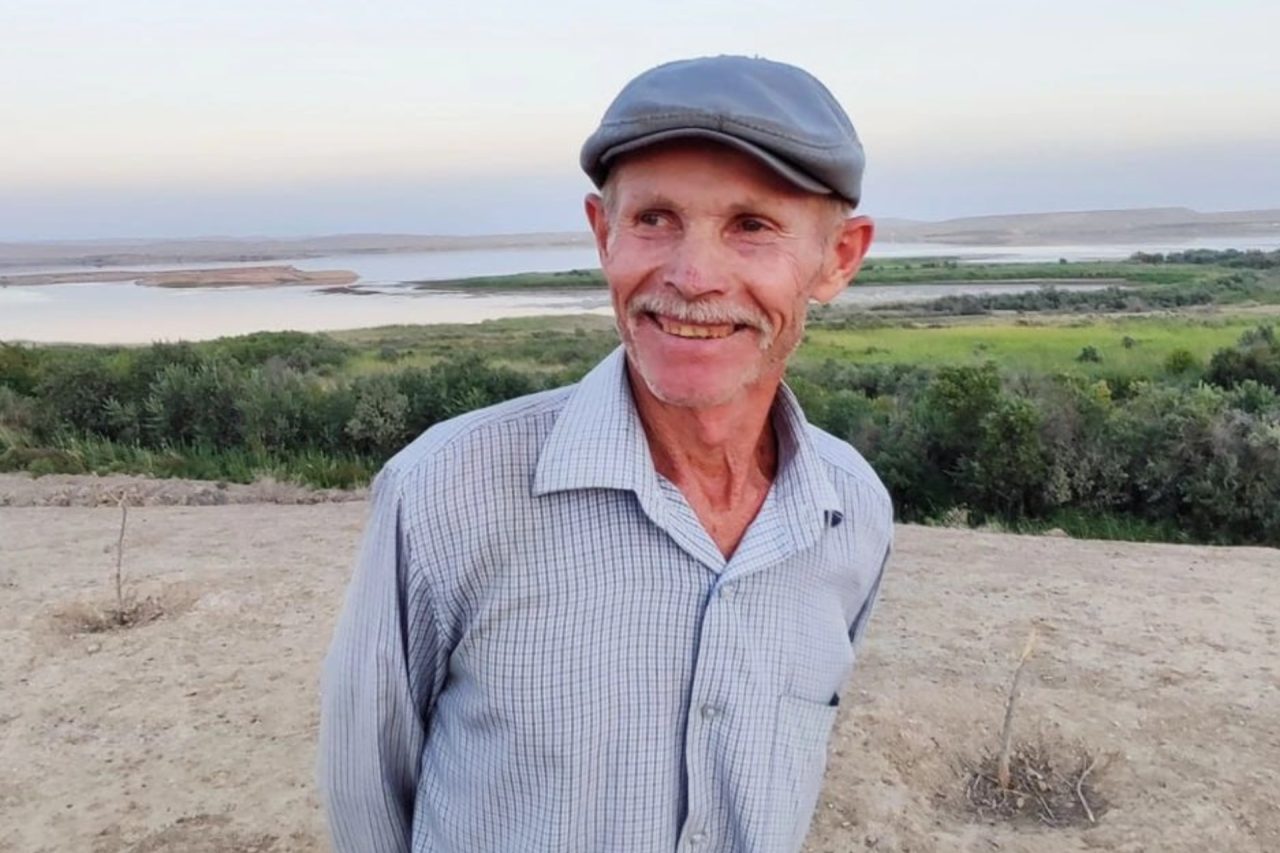
What kind of conditions is a man who devoted his entire life to protecting nature living in today?
After the story sparked widespread discussion on social media and attracted public attention, the relevant authorities intervened. Fedin was discharged from the hospital, and a house was built for him on the land where he had created his forest. Reports also emerged that he had been offered a job within the system of the Forestry Agency.
However, new problems subsequently arose. According to the journalist, after Fedin's apprentice, Rustam Edikhanov, lost a hunting rifle, Fedin was prohibited from entering the forest. Reports also emerged of threats and rough treatment during the incident. Following these events, Fedin reportedly became increasingly distressed and began experiencing memory problems.
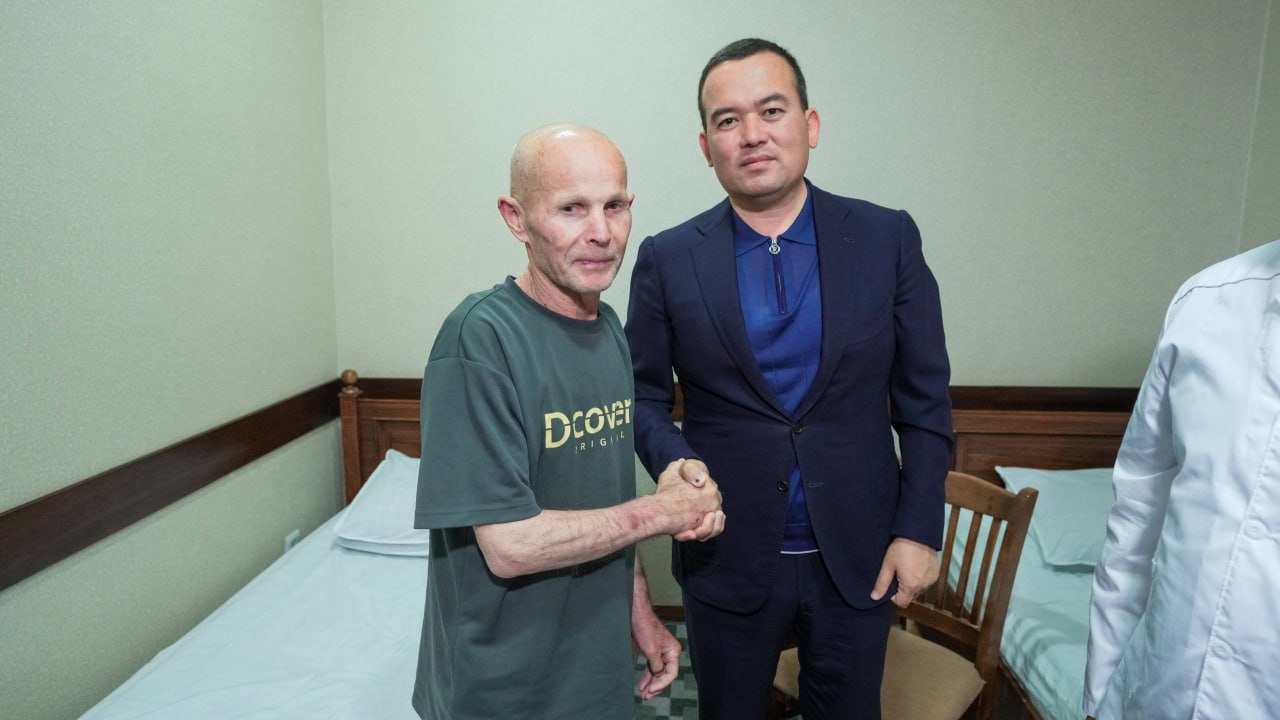
For five months, a local resident, Abrahmat Allanazarov, took care of the elderly man. In the journalist's view, he effectively assumed responsibilities that should have belonged to the state and the relevant institutions.
However, after Fedin's blood pressure rose again, he was readmitted to a psychiatric facility. What is particularly alarming is that, according to the journalist, Fedin continues to ask the acquaintances who visit him to take him away from the institution.
What are the actual conditions in which Alexander Fedin is currently being kept? Who is responsible for his health and safety? How is the quality of the medical care provided to him being monitored?
Alexander Fedin was born in Tajikistan in 1959 but has lived in the Surkhandarya Region of Uzbekistan since infancy. In 1989, he was allocated four hectares of neglected land near the Oqtepa Reservoir in the Jarkurgan District. That was where he began planting trees. Later, he was granted an additional 84 hectares.
Over the years, through his dedication and hard work, a 101-hectare green area took shape, developing into a forest and a hunting and fishing enterprise.
In 2023, Alexander Fedin received the Nature Defender honorary badge, and in 2025 he was awarded the Dustlik (Friendship) Order.
Today, under a decision issued by the Governor of the Surkhandarya Region, the forest created by Fedin, along with several land plots in the Oqtepa Reservoir area, has been transferred to the jurisdiction of the Committee for Ecology. This means that responsibility for Fedin's situation now directly concerns not only the local administration but also the Committee for Ecology.
We therefore urge the Committee for Ecology not to remain indifferent. The fate of a man who devoted his life to protecting nature and creating a forest deserves serious attention. Every effort should be made to help safeguard his rights, ensure decent living conditions and provide access to the medical care he needs.
After all, protecting nature must begin with refusing to turn a blind eye to human suffering.
Meanwhile, the Surkhandarya Regional Department of Ecology issued a rebuttal to journalist Fozil Farhod's report about Alexander Fedin, stating that his health was being monitored.
Yet one fundamental question remains unanswered: why is a man who devoted decades of his life to creating a forest now staying in a psychiatric hospital rather than in his own home, in the green sanctuary he built with his own hands — the very place where he wants to live?
If Fedin's condition is indeed being properly monitored, why does he repeatedly express his wish to return to his forest? Are his wishes being heard? What living conditions have been provided for him? And, ultimately, who is accountable for his future?
Of course, matters concerning a person's health must be treated with the utmost seriousness and addressed in accordance with the recommendations of qualified medical professionals. However, medical supervision must not become an excuse for disregarding a person's wishes, dignity and basic human needs.
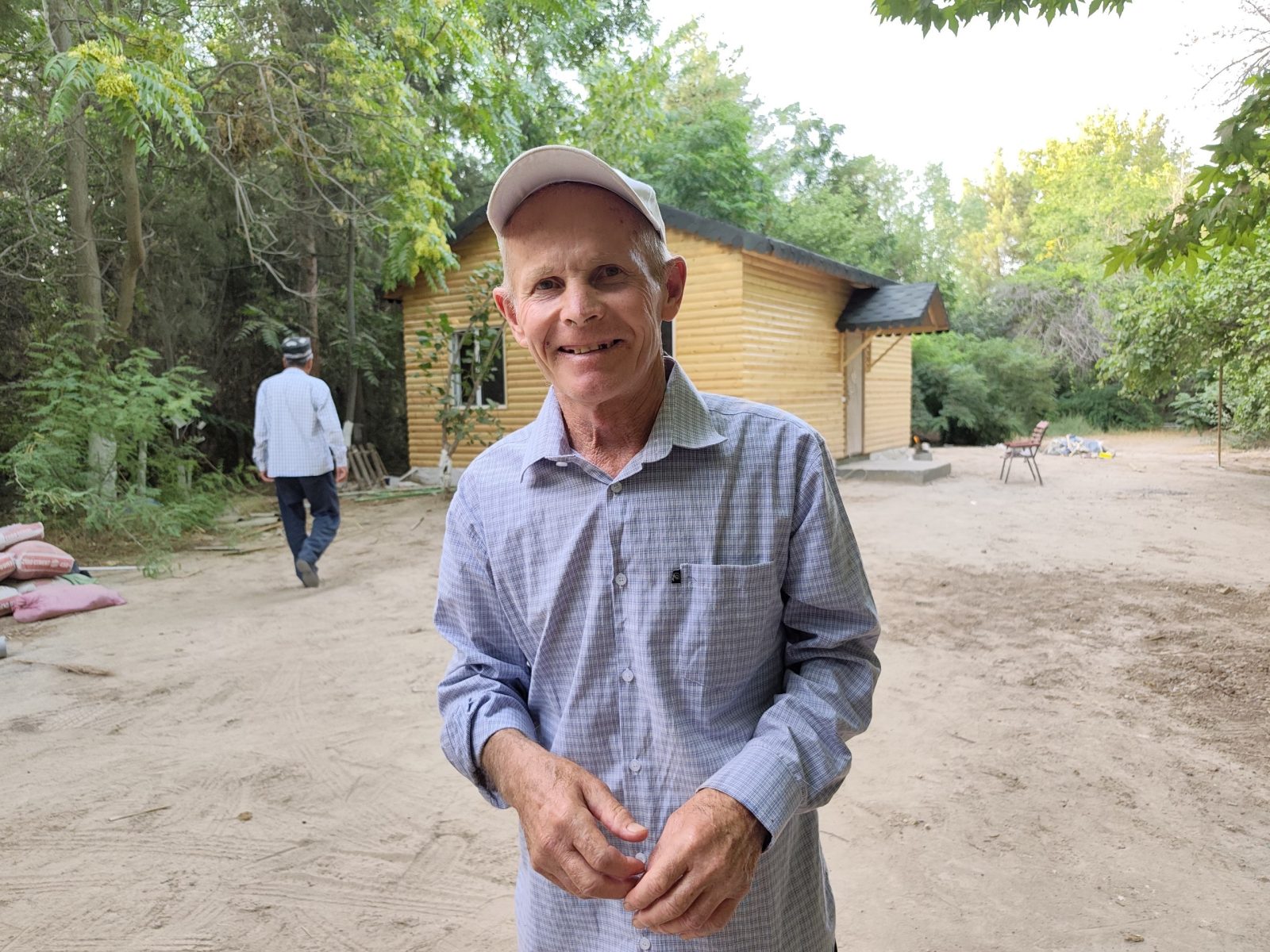
Why has no serious consideration been given to creating suitable living conditions for Fedin in the forest he established? Could the state not assign him a social worker or caregiver, provide regular medical check-ups and organise the necessary support? Why is there no clear discussion about ensuring that he can live among people who treat him with kindness, respect and compassion, rather than feeling isolated and alienated?
Today, under Uzbekistan's nationwide Yashil Makon (Green Space) initiative, we speak of planting millions of saplings and establishing new green areas. Yet here is a man who devoted his entire life to this cause and created a 101-hectare forest with his own hands.
This is far more than an individual achievement. It is a living legacy for future generations.
Is it really so difficult to ensure decent living conditions for such a person in his old age? Can we really not find the means to care for someone who spent his entire life caring for nature?
The Surkhandarya Regional Department of Ecology, local authorities, healthcare institutions and social protection agencies must go beyond issuing formal rebuttals and offer concrete, practical solutions.
We do not simply want to hear that Fedin's health is being monitored. We want to know what is being done to secure his future. Where will he live? Who will care for him? What specific measures are being taken to enable him to return to the forest he created?
It is easy to celebrate a forest created by a dedicated individual. But taking responsibility for that individual — for his life in old age, his safety and his human dignity is the true measure of a compassionate society.
Alexander Fedin needs more than medals and awards. He needs care, attention, respect and decent living conditions. His fate must not be allowed to disappear behind official statements and public indifference.
Nargis Kosimova