


For Uzbekistan and the wider Central Asian region, the stakes are particularly high. Climate change is affecting water resources, agricultural productivity, ecosystems and public health. The region therefore needs more than ambitious declarations: it needs financing, effective policies, regional cooperation and practical solutions that can deliver tangible results.
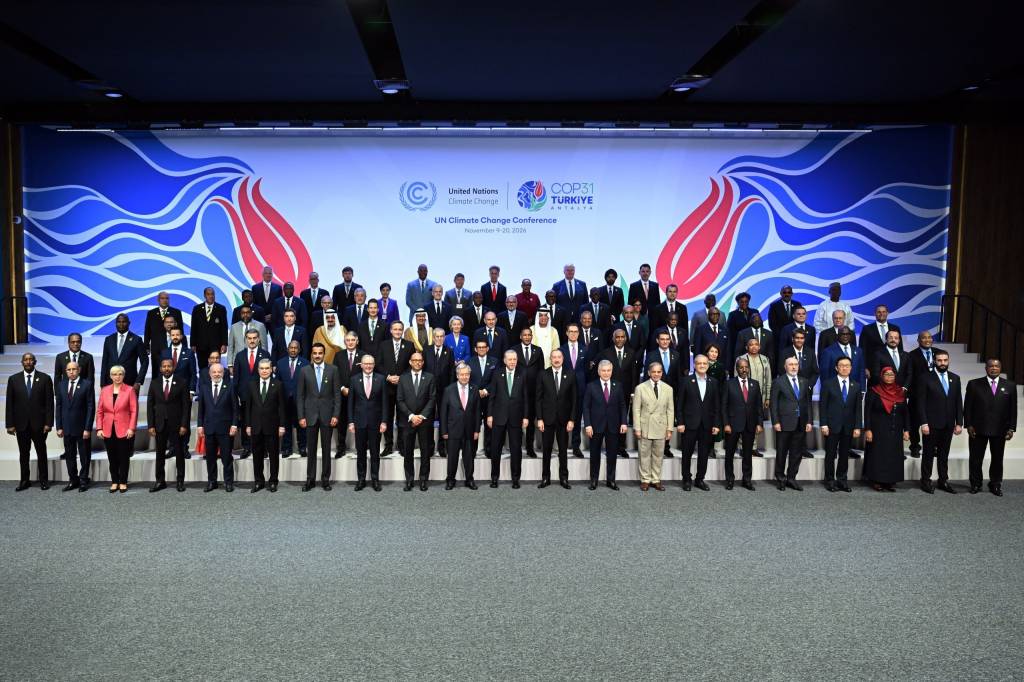
From Climate Commitments to Practical Action
One of the initiatives presented at COP31 was the Climate Implementation Bridge (BRIDGE), aimed at helping countries turn climate commitments into investment-ready projects and overcome technical and financial barriers to implementation.
Uzbekistan was among the initiative's initial participants, alongside Chile, Lebanon, Mexico and Zambia. Türkiye announced a USD 3 million grant to support its launch.
The initiative is designed to bridge the gap between climate pledges and implementation by helping countries develop projects capable of attracting financing and delivering measurable results.
Another initiative, the Sustainable Urban Resilience Finance Facility (SURFF), seeks to connect urban climate projects with existing financial resources and technical assistance. This could help cities strengthen their resilience to climate risks and improve the implementation of local climate solutions.
However, the effectiveness of such initiatives will depend not only on the amount of funding mobilised, but also on how it is allocated, which communities benefit, and whether the projects address the needs of those most vulnerable to climate change.
EUR 103.7 Million for Uzbekistan: What Does the Funding Mean in Practice?
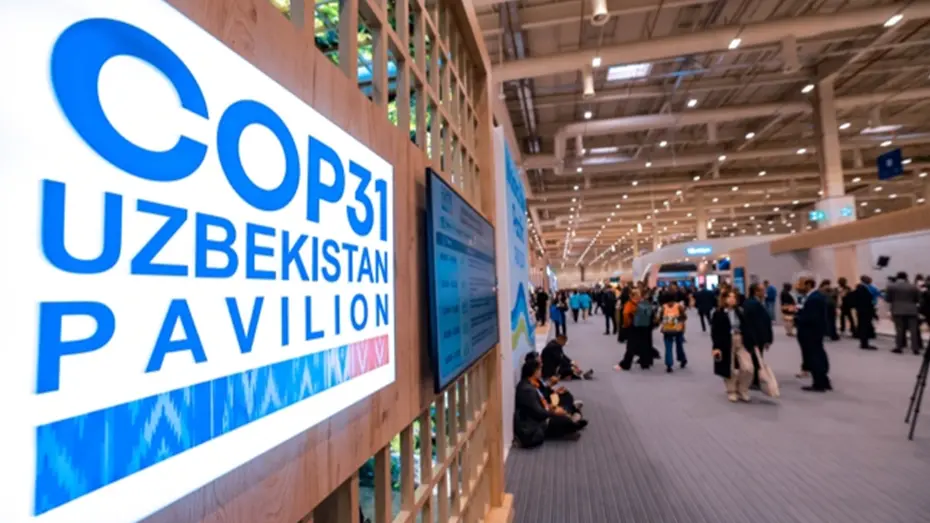
One of the significant regional programmes discussed at COP31 was CLiCA, with a total budget of EUR 264.4 million for Uzbekistan, Kyrgyzstan and Tajikistan. Uzbekistan is expected to receive EUR 103.7 million.
The programme will cover 15 districts in the Andijan, Fergana, Namangan and Surkhandarya regions. Its planned activities include restoring 18,000 hectares of forest and 123,000 hectares of pastureland, introducing drip irrigation, promoting drought-resistant crops, developing greenhouse farming and providing farmers with access to financial support and advisory services.
The programme aims to support approximately 12,000 farmers and improve climate resilience for an estimated 342,000 people, with women accounting for 50 per cent of beneficiaries.
These figures are significant. But the real measure of success will be whether degraded land is restored, water consumption is reduced, agricultural productivity improves and farmers become better equipped to cope with climate-related risks.
For local communities, climate finance should not remain an abstract figure in a project document. Its impact should be visible in healthier land, more reliable water supplies, stronger livelihoods and greater resilience to extreme weather.
Uzbekistan and Türkiye: Cooperation Must Deliver Results
Uzbekistan and Türkiye signed a memorandum of cooperation on environmental issues on the first day of the conference. The agreement covers climate change, pollution, waste management, desertification, natural resource conservation and the development of a green economy.

It also provides for cooperation through the exchange of experience, joint projects and expert meetings.
Such agreements can create an important framework for collaboration. Yet their value ultimately depends on what follows the signing ceremony: concrete projects, clear responsibilities, measurable targets and sustained cooperation between institutions and experts.
Environmental diplomacy is most effective when political commitments translate into practical action.
Water and Air: Priorities for Climate Resilience
Water security remains one of the most pressing challenges for Uzbekistan and Central Asia. Rising temperatures, changing precipitation patterns, glacier retreat and growing demand for water are placing increasing pressure on the region's water resources.
At COP31, cooperation with the World Meteorological Organization (WMO) was discussed in connection with modernising meteorological monitoring, improving forecasts of dust and sandstorms, strengthening air-quality monitoring and developing early-warning systems.
These measures are essential. Reliable climate and weather information can help governments, farmers and communities prepare for extreme weather events, reduce risks and make better-informed decisions.
Projects supported by the Adaptation Fund, with a proposed funding package of USD 15.4 million, were also discussed in the context of protecting agriculture and supporting farmers in adapting to climate change. Uzbekistan also proposed establishing a regional office of the Adaptation Fund in Tashkent.
Strengthening regional climate cooperation could help countries coordinate adaptation efforts, share expertise and develop solutions to challenges that cross national borders.
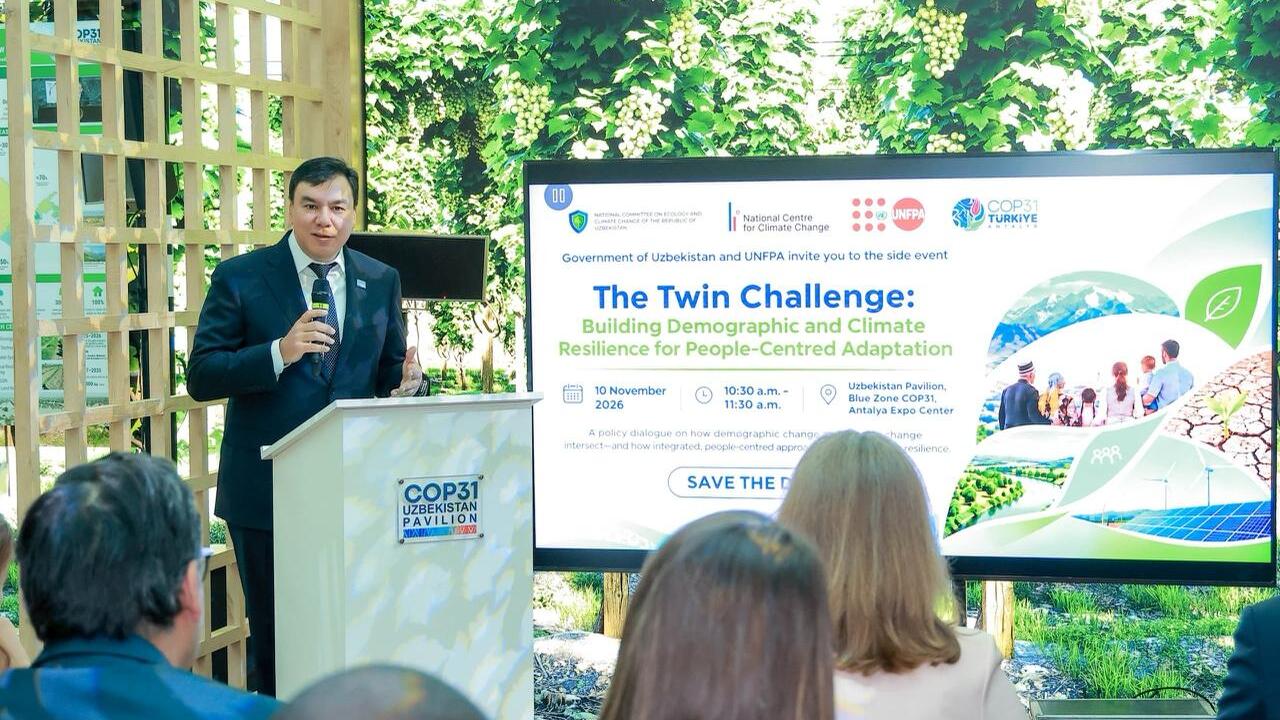
Green Economy: Where Are Investments Going?
The transition to a green economy was another important area of discussion at COP31.
A USD 1.4 million project involving the United Nations Development Programme (UNDP) and the National Energy Efficiency Agency is aimed at reviewing harmful subsidies, improving energy efficiency in public buildings and promoting green investment.
A EUR 5.5 million project supported by GIZ focuses on regional development planning, environmental sustainability and resource-efficient business practices.
The Global Green Growth Institute (GGGI), with support from the Korean Green New Deal Trust Fund, is implementing a USD 1 million initiative to assess energy-saving potential in industry and prepare projects for greener investment.
Meanwhile, the French Development Agency (AFD) and Expertise France are supporting the USD 400,000 project Liveable and Efficient Cities, focused on improving urban sustainability and efficiency.
These initiatives demonstrate that the green transition is not limited to renewable energy. It also requires more efficient buildings, cleaner industrial processes, sustainable transport, better waste management and more responsible use of natural resources.
The challenge is to ensure that these investments produce measurable environmental benefits and contribute to long-term economic resilience.
Uzbekistan's National Commitment: A 50 Per Cent Reduction by 2035
Uzbekistan has set a target of reducing greenhouse gas emissions per unit of GDP by 50 per cent by 2035, compared with 2010 levels.
Achieving this target will require a comprehensive transformation across multiple sectors, including energy, industry, transport, agriculture and waste management.
Expanding renewable energy is an important part of the transition, but it cannot be the only measure. Energy efficiency, industrial modernisation, sustainable transport, recycling and improved resource management will also be essential.
The success of climate policy will depend on how consistently these measures are implemented and whether they lead to a measurable reduction in emissions while supporting economic development.
The Controversial Side of COP31: The Gap Between Ambition and Agreement
Despite progress in climate finance and adaptation initiatives, COP31 also highlighted the continuing gap between scientific urgency and political compromise.
A draft decision published on 19 November reportedly removed explicit language on phasing out fossil fuels, as well as references to a USD 120 billion climate-finance target. These changes drew criticism from those who argued that the final text did not adequately reflect the scale of the climate crisis.
This controversy once again raises a fundamental question: how can the international community ensure that climate negotiations produce commitments strong enough to drive meaningful change?
The final decisions, their implementation mechanisms and the level of accountability will ultimately determine whether the conference represents progress or another missed opportunity.

Beyond Antalya: The Real Test of Climate Diplomacy
COP31 should not be viewed as an endpoint. It is one stage in a much longer process of implementing climate commitments.
For Uzbekistan, the next steps are particularly important: how will the EUR 103.7 million allocated under CLiCA be used? Will forest and pasture restoration targets be achieved? Will farmers receive the support they need? Will water-saving technologies become more widely accessible? Will memorandums of cooperation lead to projects with measurable results?
These questions should remain at the centre of public discussion.
Journalists, scientists, civil society organisations, local communities, farmers, businesses and young people all have an important role to play in monitoring climate commitments and ensuring transparency.
Climate policy cannot be effective without public participation. People affected by environmental change must not only be beneficiaries of climate programmes but also participants in shaping, implementing and evaluating them.
The real success of climate diplomacy will not be measured by the number of documents signed in Antalya, the size of announced financial packages or the wording of political declarations.
It will be measured by whether forests are restored, water is used more efficiently, air becomes cleaner, farmers' livelihoods become more secure and communities are better prepared for climate risks.
Climate commitments matter only when they translate into real change for nature and for people's lives.
Nargis Kosimova