

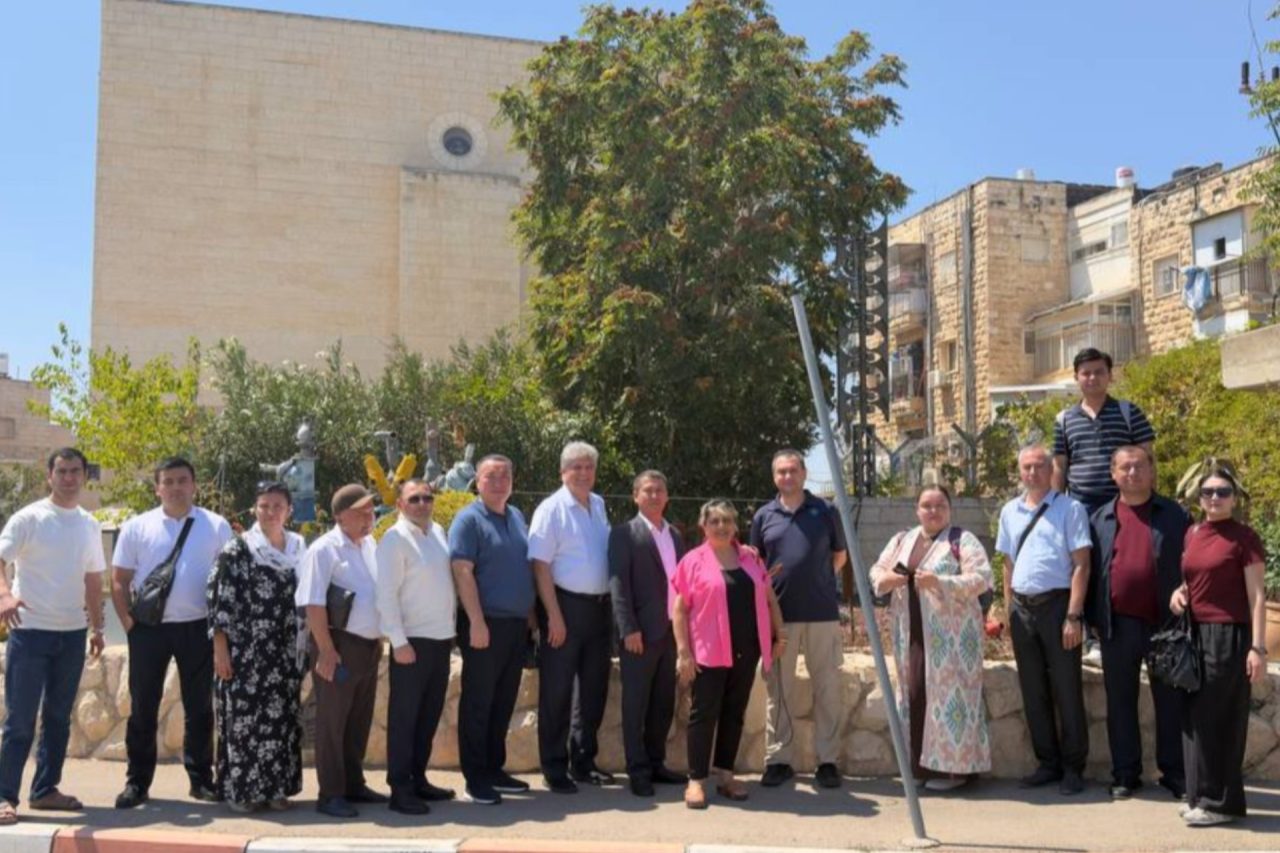
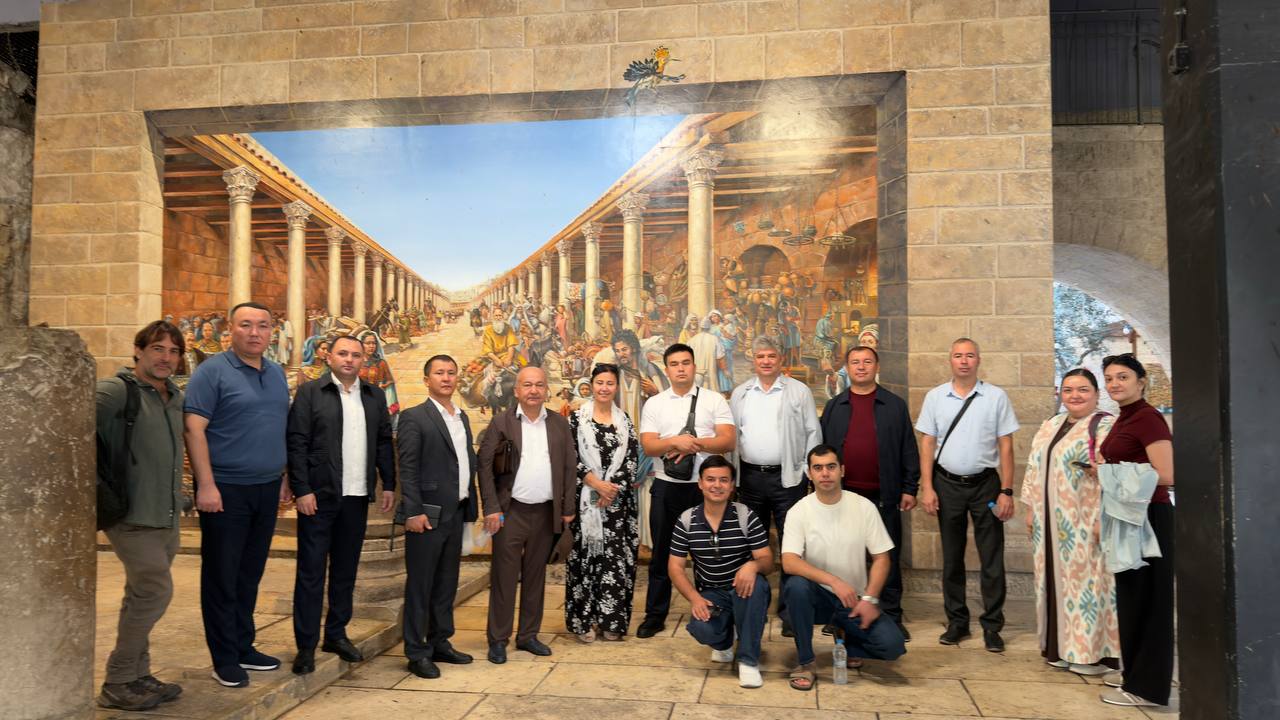
At the initiative of the Embassy of Israel in Uzbekistan, a group of Uzbek specialists working in the field of water resource management and conservation, as well as representatives of the “Ekolog” Public Association and the ekolog.uz website, visited Israel. The main purpose of the visit was to gain first-hand knowledge of Israel’s experience in managing and conserving water under conditions of limited water resources, urban water supply systems, wastewater treatment and reuse, reducing water losses in distribution networks, and modern water-saving technologies.
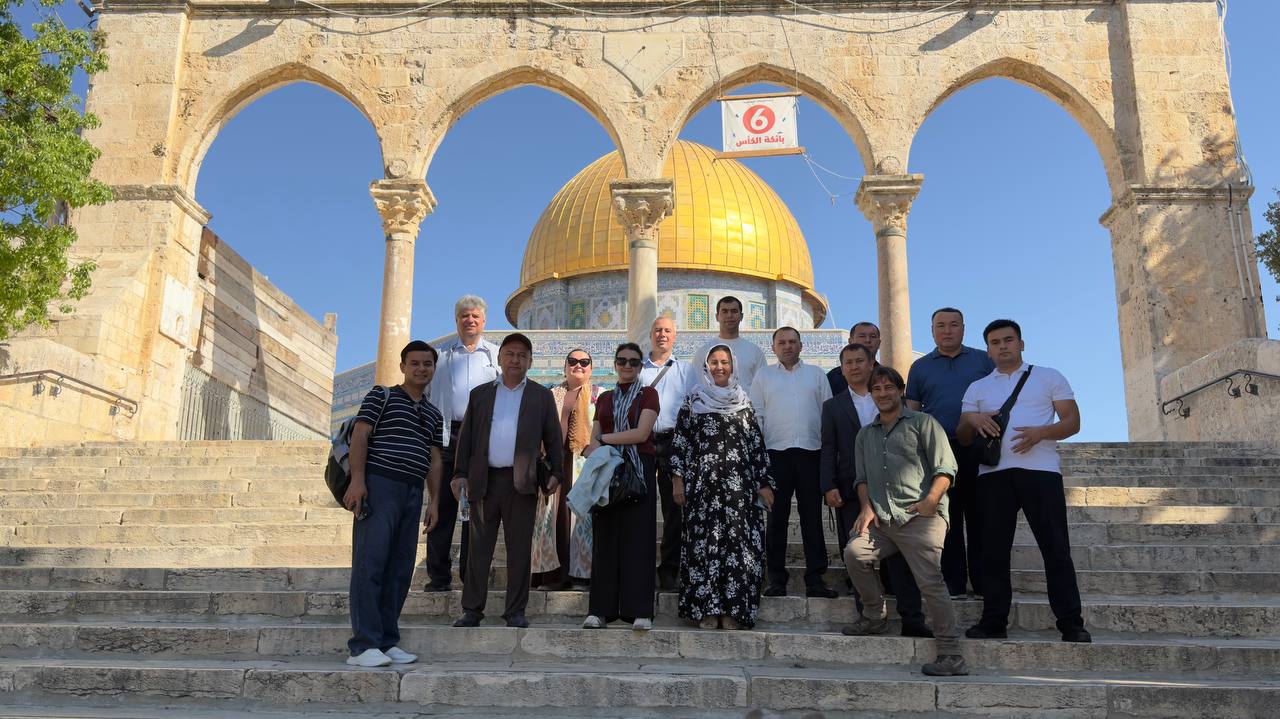
A Path of Life Carved in Stone
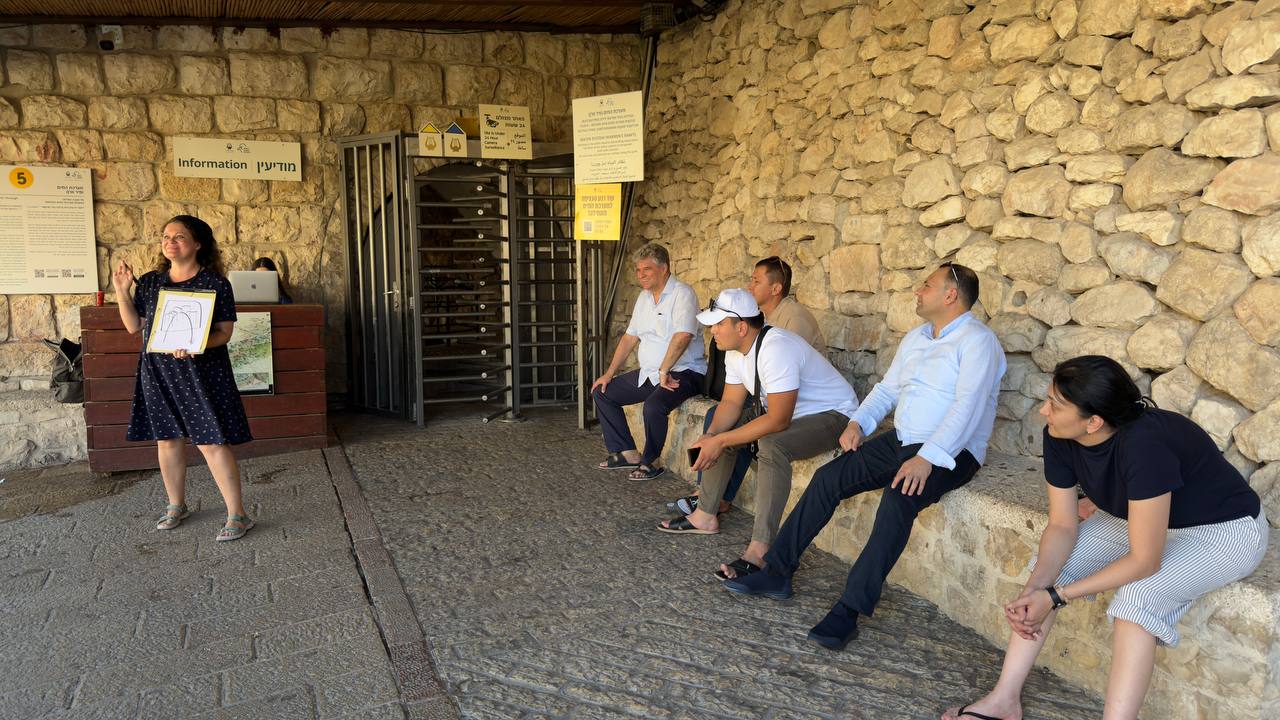
The delegation’s first destination was the famous underground water tunnel located in the City of David area of the Old City of Jerusalem. It is referred to in various sources as the Siloam Tunnel, Hezekiah’s Tunnel, or Jerusalem’s ancient water system.
The widely accepted view is that the tunnel was constructed at the end of the 8th century BCE, during the reign of King Hezekiah of Judah. At that time, Jerusalem was under threat of siege by the Assyrian army. The city’s main water source, the Gihon Spring, was located outside the defensive walls, meaning that its water could potentially fall into enemy hands.
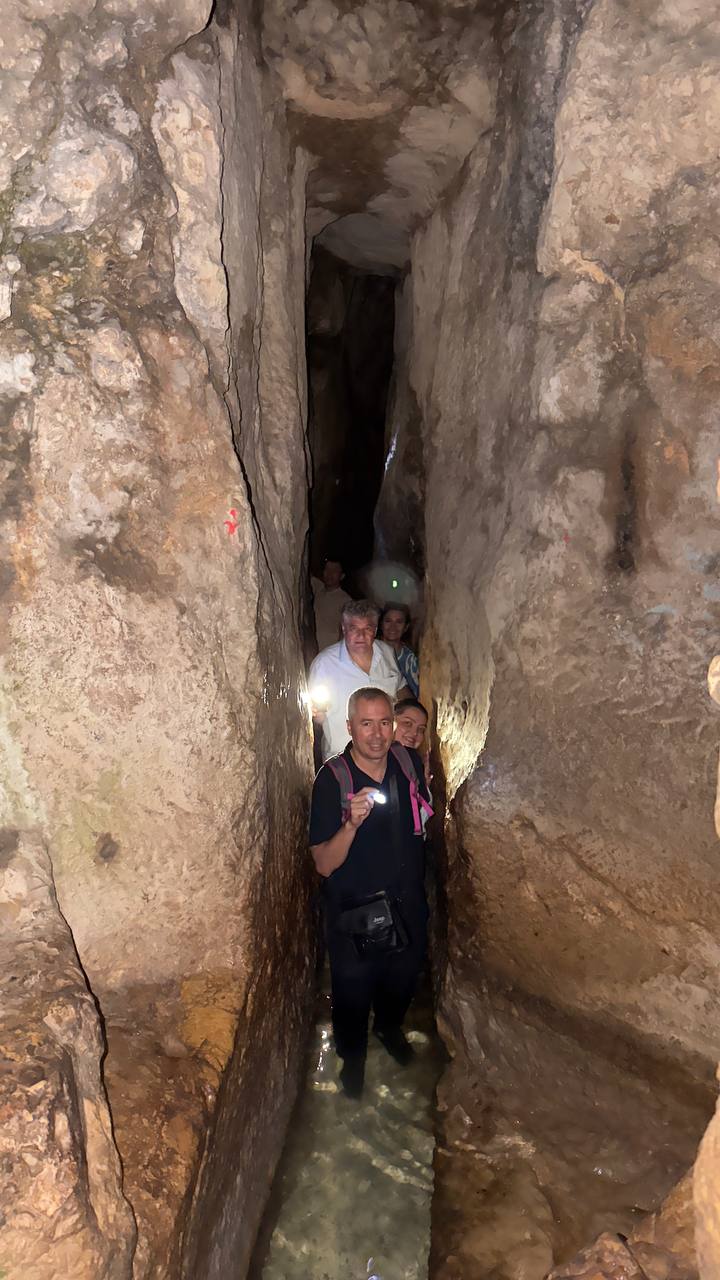
For this reason, an underground passage was carved through the rock to bring water from the Gihon Spring into the city’s Siloam Pool and protect the water source from external forces. The tunnel is approximately 533 meters long. According to researchers, it was excavated from both ends toward each other, and the workers eventually met underground. For the ancient world, this was an extraordinarily complex engineering solution.

Even today, tourists can walk through the tunnel along the flowing water, using special lights. As a person moves through the narrow and dark passage, they can directly experience how people who lived thousands of years ago created such a complex structure to secure access to water.
Every step inside the tunnel reminds us of one truth: the issue of water is not a problem that has emerged only today. The fate of ancient cities also depended on water sources. Whoever controlled water controlled not only life itself, but also the security and future of the city.
From the Ancient Gihon Spring to the Modern Gihon Corporation
The name of Gihon Corporation, which manages Jerusalem’s modern water supply and wastewater infrastructure, is also derived from the historic Gihon Spring.
The corporation is responsible for supplying drinking water in Jerusalem and certain surrounding areas, managing the sewage system, developing water and wastewater networks, preventing emergencies, and modernizing infrastructure. It is one of the major urban water management systems serving nearly one million people.
The Uzbek delegation met with representatives of Gihon Corporation and became acquainted with the work being carried out to manage Jerusalem’s water supply system, monitor drinking water quality, discharge and treat wastewater, modernize aging networks, and reduce water losses.
According to Slava Khenkin, Head of a Department at Gihon Corporation, effective management of a major city’s water supply involves much more than simply delivering water to consumers through pipes. The entire system—from the water source to pipelines, pumping stations, reservoirs, meters, sewage networks, and treatment facilities—must be continuously monitored.
Obtaining accurate and timely information about processes occurring in every part of the water system is one of the most important conditions for effective management. A small, invisible leak can, over time, lead to the loss of large volumes of water, damage to roads and buildings, and increased repair costs.
For this reason, modern water management prioritizes not only dealing with the consequences of an accident after it occurs, but also identifying problems in advance and preventing them.
Every Drop Under Control
One of the noteworthy aspects of Israel’s experience is its effort to account for every cubic meter of water. Modern meters installed in water networks, pressure-measuring devices, and remote data-transmitting sensors make it possible to monitor changes throughout the system.
A sudden increase in water consumption, a change in pipeline pressure, or abnormally high nighttime consumption in a particular area may be considered a possible sign of a leak.
Such information is transmitted to the relevant specialists, who can go to the site and take the necessary measures before the problem develops into a major emergency. Gihon is recognized as one of the major water organizations that has begun using smart sensors for the early detection of leaks in water networks.
This system saves not only water, but also time and money. Most importantly, it helps ensure uninterrupted water supply for the city’s residents.
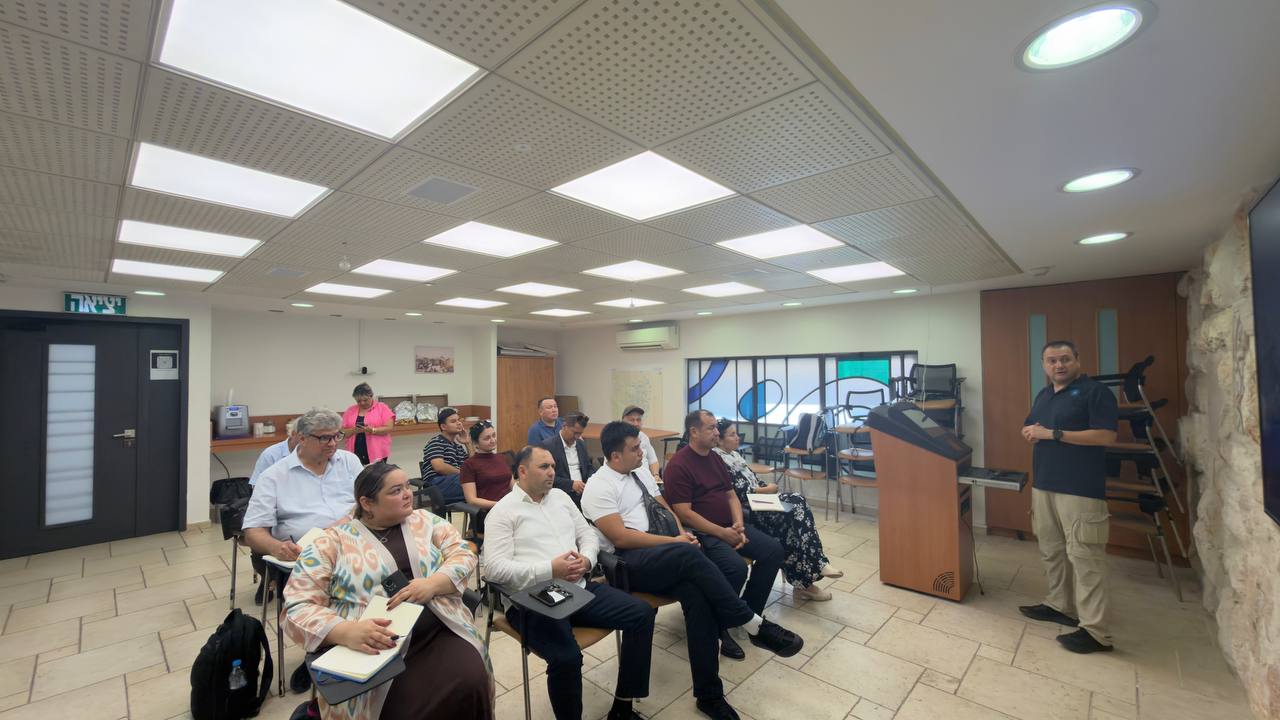
According to Slava Khenkin, purchasing new technologies alone is not enough to combat water losses. It is also necessary to have qualified specialists who know how to use the equipment, data analysis systems, rapid-response services, and clearly defined management procedures.
Thus, effective water management is a combination of technology, human capacity, and responsibility.
Underground Infrastructure — the City’s Invisible Arteries
In everyday life, most people do not think about how water is delivered through city streets or where used water goes. In reality, however, there is a complex system of pipelines extending for hundreds of kilometers underground.
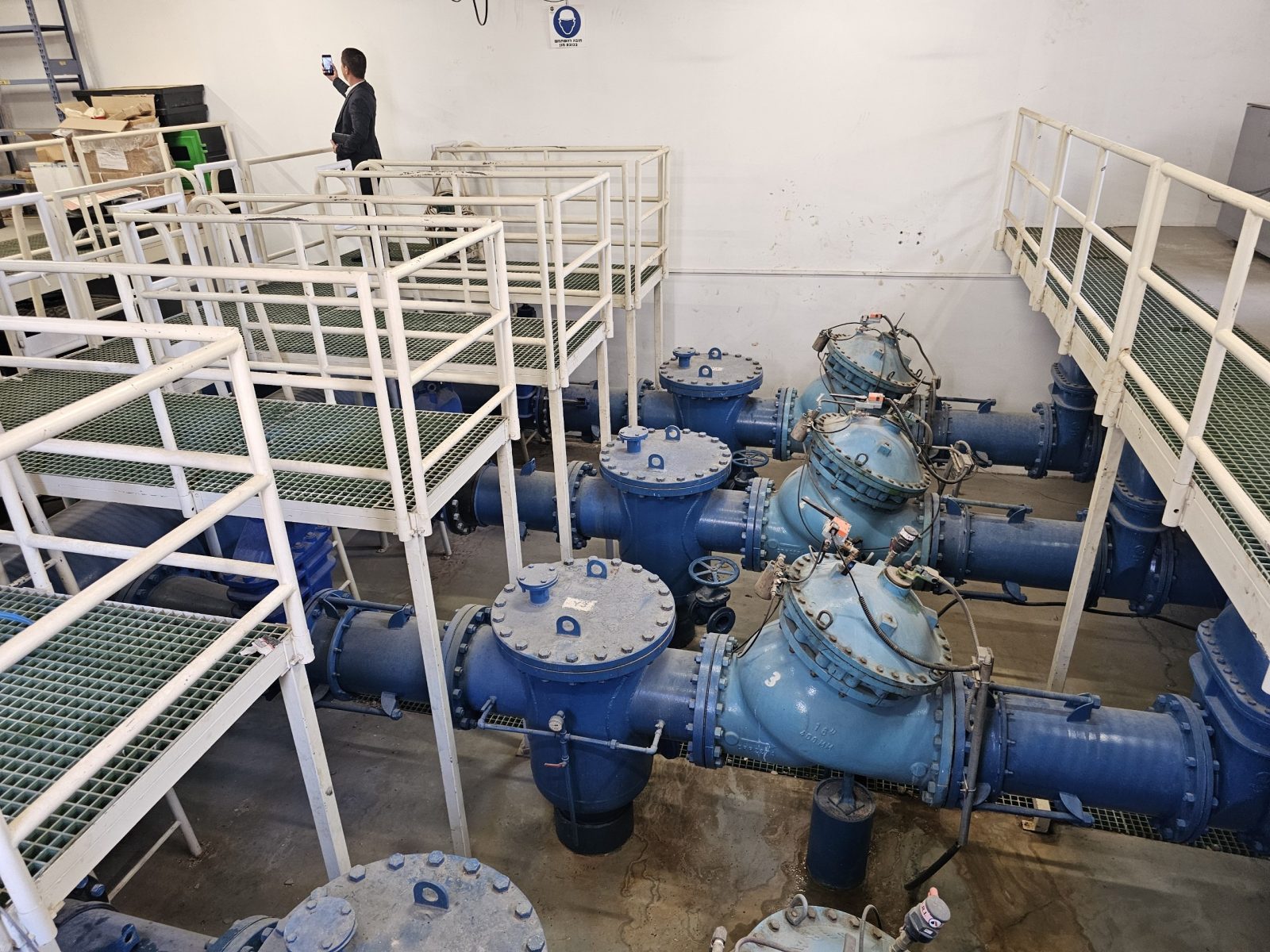
Gihon Corporation supplies large volumes of drinking water to Jerusalem and surrounding areas through a network of pipelines extending for more than one thousand kilometers.
Regularly monitoring these networks, replacing worn-out sections in a timely manner, and coordinating them with new construction projects require a high level of responsibility. This is especially challenging in a city such as Jerusalem, with its thousands of years of history, complex terrain, and densely built-up areas.
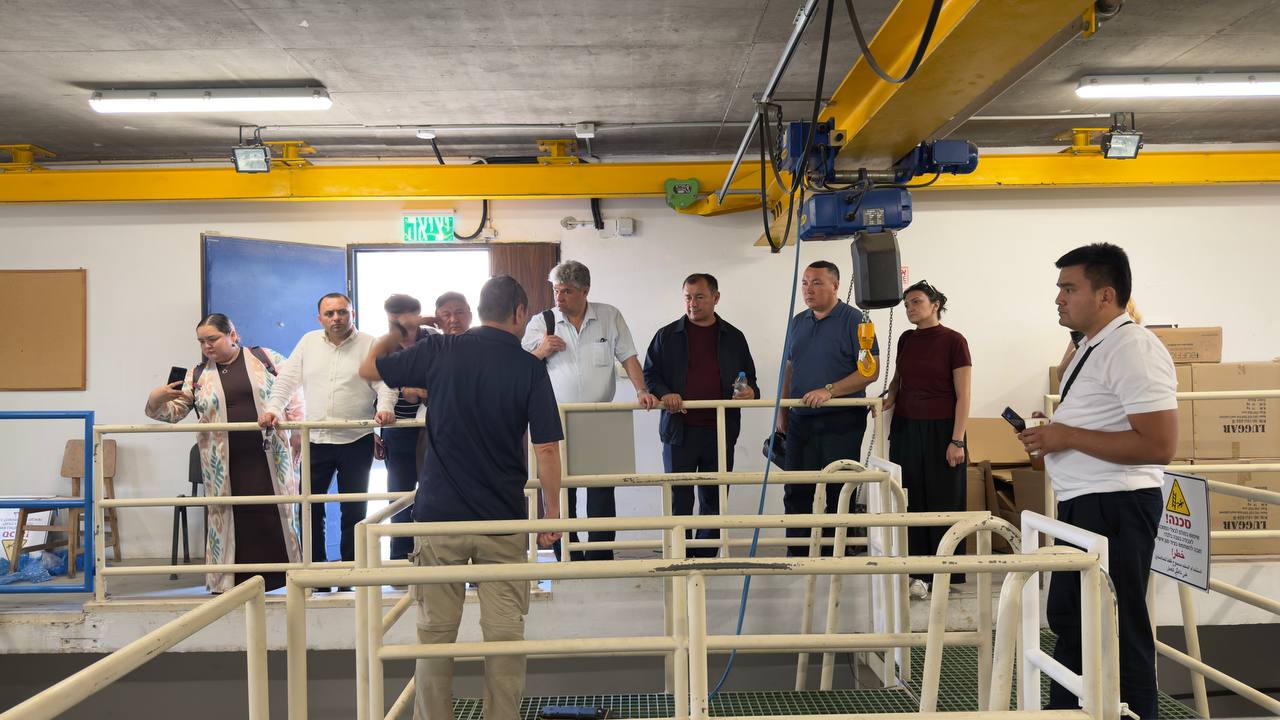
When repairing water or sewage pipelines, it is also necessary to ensure that historical and archaeological layers are not damaged, traffic is maintained, and inconvenience to residents and businesses is minimized.
In this sense, Gihon’s activities extend beyond water management alone. They are closely connected with urban planning, environmental protection, sanitary safety, preservation of historical heritage, and the quality of life of the population.
Wastewater — Not Waste, but a Reusable Resource
Another important issue that attracted the delegation’s interest was Israel’s experience in collecting, treating, and reusing wastewater.
Under conditions of water scarcity, simply discharging used water is a major waste of resources. At modern treatment facilities, wastewater is treated through several stages using mechanical, biological, and other methods. Once the water reaches the required quality level, it can be used in agriculture, for irrigation of green areas, or for technical purposes.
This approach reduces pressure on clean drinking water resources. Instead of using high-quality water intended for the population for irrigation or technical purposes, treated water can be used for these needs.
This demonstrates that water is not a one-time-use product, but a valuable resource that, when properly managed, can be used repeatedly.
The Close Connection Between History and Technology
The visit that began with Jerusalem’s ancient water tunnel continued logically at the modern management center of Gihon Corporation.
On one side is a 533-meter tunnel created nearly three thousand years ago by people who carved through solid rock using simple tools. On the other are digital systems, smart meters, and sensors that monitor water flow, pressure, and consumption in real time.
At first glance, there appears to be a huge difference between these two eras. Yet they are united by one common goal: to protect water, deliver it safely to places where people live, and use every drop wisely.
While the people of ancient Jerusalem sought to protect the city from being deprived of water during a siege, today’s specialists are searching for solutions to new threats such as climate change, population growth, aging infrastructure, and increasing demand for water.
The tools have changed, but the value of water has not.
Important Experience for Uzbekistan
For Uzbekistan, the issue of water is directly connected with environmental, economic, and social development. A large share of the country’s water resources is used in agriculture. At the same time, climate change, increasingly severe drought periods, shrinking glaciers, population growth, and infrastructure losses are increasing pressure on water security.
Under such conditions, simply searching for new water sources is not enough. First and foremost, it is necessary to prevent the loss of existing water resources, ensure accurate accounting, and expand opportunities for repeated use.
Based on Israel’s experience, the following areas are particularly important for Uzbekistan:
— regularly measuring losses in drinking water and irrigation networks;
— introducing digital systems for early detection of leaks;
— improving water meters and enabling remote monitoring;
— gradually replacing aging pipelines;
— properly treating and reusing wastewater;
— managing urban and agricultural water systems based on unified data;
— increasing the technical and analytical capacity of specialists;
— developing a culture of rational water use among the population.
Of course, the experience of one country cannot simply be transferred directly to another. Every region has its own climate, water resources, economic capabilities, population distribution, and management system.
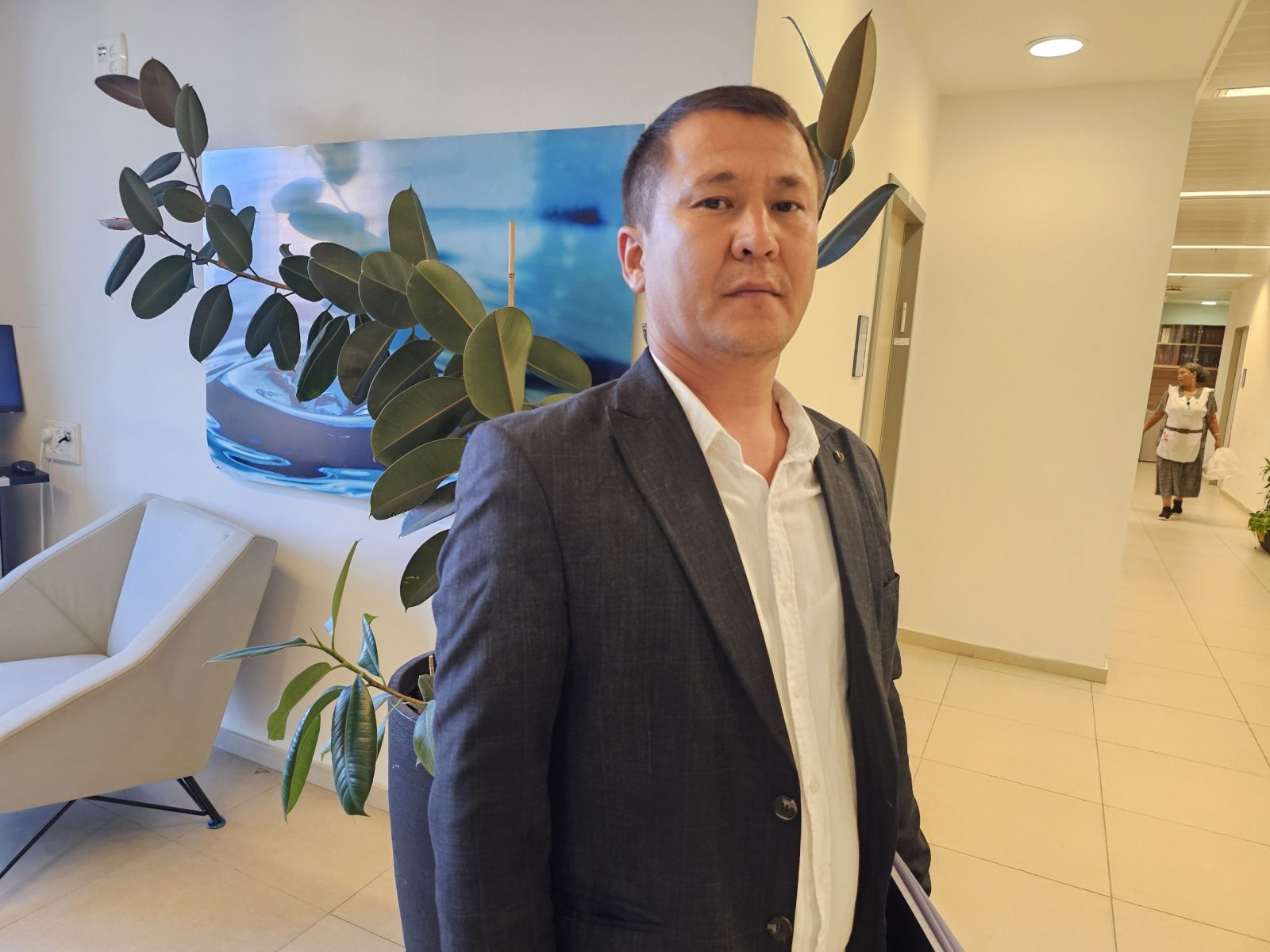 According to Amanbay Saparov, PhD, Assistant Professor at the Department of Water Management and Land Use of the Karakalpak Institute of Agriculture and Agrotechnologies, one of the main differences between the activities of Gihon Corporation and the existing systems in Uzbekistan is that the corporation purchases water from higher-level supply systems and subsequently delivers it to the population.
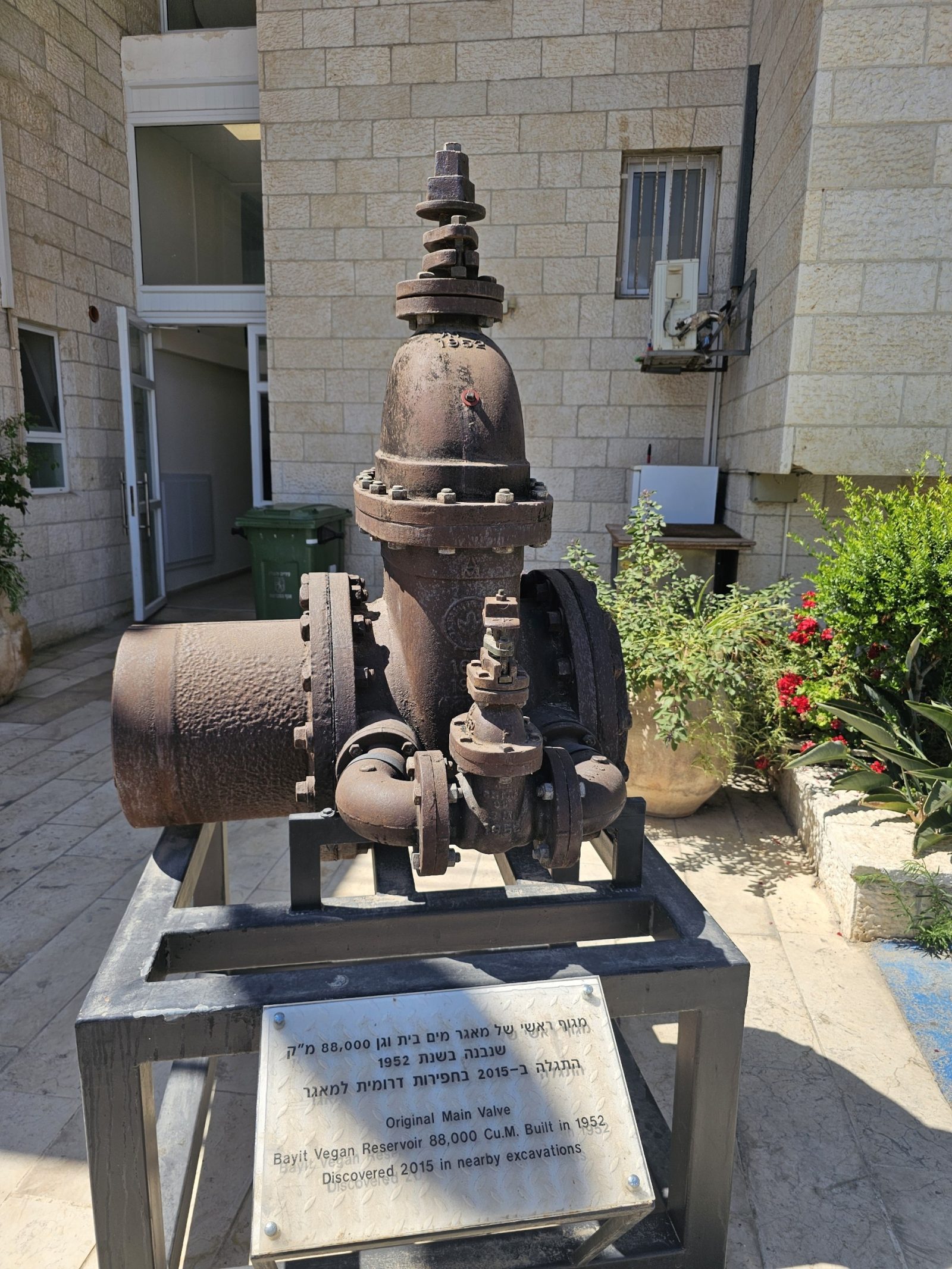
He emphasized that the availability of large, enclosed water reservoirs that meet modern engineering requirements is of particular importance in the corporation’s operations. Such facilities make it possible to store water reliably, ensure uninterrupted supply to the population, maintain stable pressure, and create the necessary reserves of water in emergency situations.
According to Amanbay Saparov, one of the most important aspects of this experience that could be applied in Uzbekistan is the construction of more enclosed water reservoirs.
“Nearly one million people live in Jerusalem itself. Their water supply is supported by three large reservoirs with a combined capacity of 385,000 cubic meters. This makes it possible to store water in advance, manage it, and ensure stable delivery when necessary,” the specialist said.
In Uzbekistan, however, water is often used directly as it flows into the system. Modern enclosed reservoirs that would allow water to be stored for long periods, reserved in the required quantities, and effectively managed have not yet been sufficiently developed. Therefore, under conditions of increasing water scarcity, the construction of such infrastructure is becoming strategically important.
The specialist also highlighted another important issue—the treatment and reuse of wastewater. In his view, in Israel, almost all wastewater is treated and is mainly used in agriculture. In Uzbekistan, by contrast, this practice has not yet reached even 50 percent. Increasing this figure is extremely important, especially under today’s conditions of growing water scarcity.
The use of treated wastewater in agriculture, landscaping, and technical applications can reduce pressure on clean drinking water reserves. At the same time, it demonstrates in practice that water is not a one-time-use resource, but a strategic resource that can be reused.
According to Amanbay Saparov, one of Uzbekistan’s most important tasks is not simply to consume water, but to expand systems for storing, treating, and reusing it. In particular, the construction of enclosed water reservoirs and increasing the volume of wastewater treatment could become important factors in ensuring the country’s future water security.
However, studying effective approaches, adapting them to local conditions, and exchanging experience can accelerate the search for solutions to water-related problems.
Attitudes Toward Water Are Attitudes Toward the Future
The ancient tunnel in Jerusalem is not only a great engineering monument in human history, but also a symbol of humanity’s attitude toward water.
The people who built it understood very well that without water there could be no city, no economy, and no life. That is why they created a structure that required an enormous amount of labor and knowledge.
Today, humanity has much more advanced technologies at its disposal. Yet there is one concept that is even more important than modern equipment and sensors—responsibility.
Saving water is not solely the responsibility of government institutions or water utilities. It begins with a farmer’s decision in the field, a company’s production processes, the condition of pipelines in a city, and the everyday habits of every household.
Israel’s experience demonstrates that water scarcity does not necessarily have to remain an inevitable obstacle to development. Through sound policy, a scientific approach, modern technology, strict accounting, and responsible behavior by society, even limited water resources can be used efficiently.
The ancient water flowing through the stone of Jerusalem seems to send a message to today’s generation:
Protect water. Because every drop contains the history of cities, the lives of people, and the fate of future generations.
Nargis Qosimova, Jerusalem