

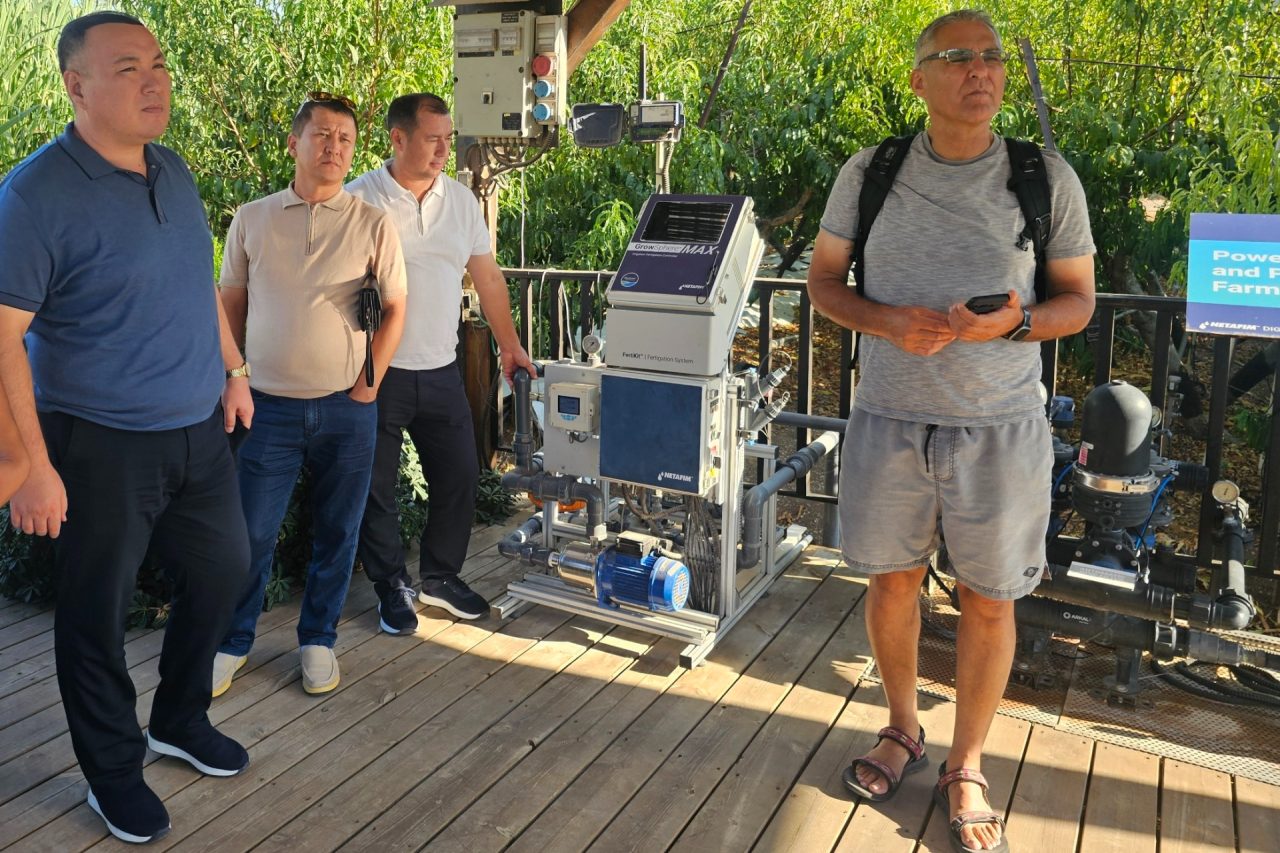
At the initiative of the Embassy of Israel in Uzbekistan, a delegation of Uzbek specialists working in water resource management and conservation, together with representatives of the “Ekolog” Public Association and ekolog.uz, visited Israel. One of the key destinations on their itinerary was Magal Kibbutz a place where the history of agriculture, collective labor, technological innovation, and water management have come together to form a distinctive model of development. What is a kibbutz? A kibbutz is a unique form of rural community in Israel where people historically lived and worked together and jointly managed land and agricultural activities.
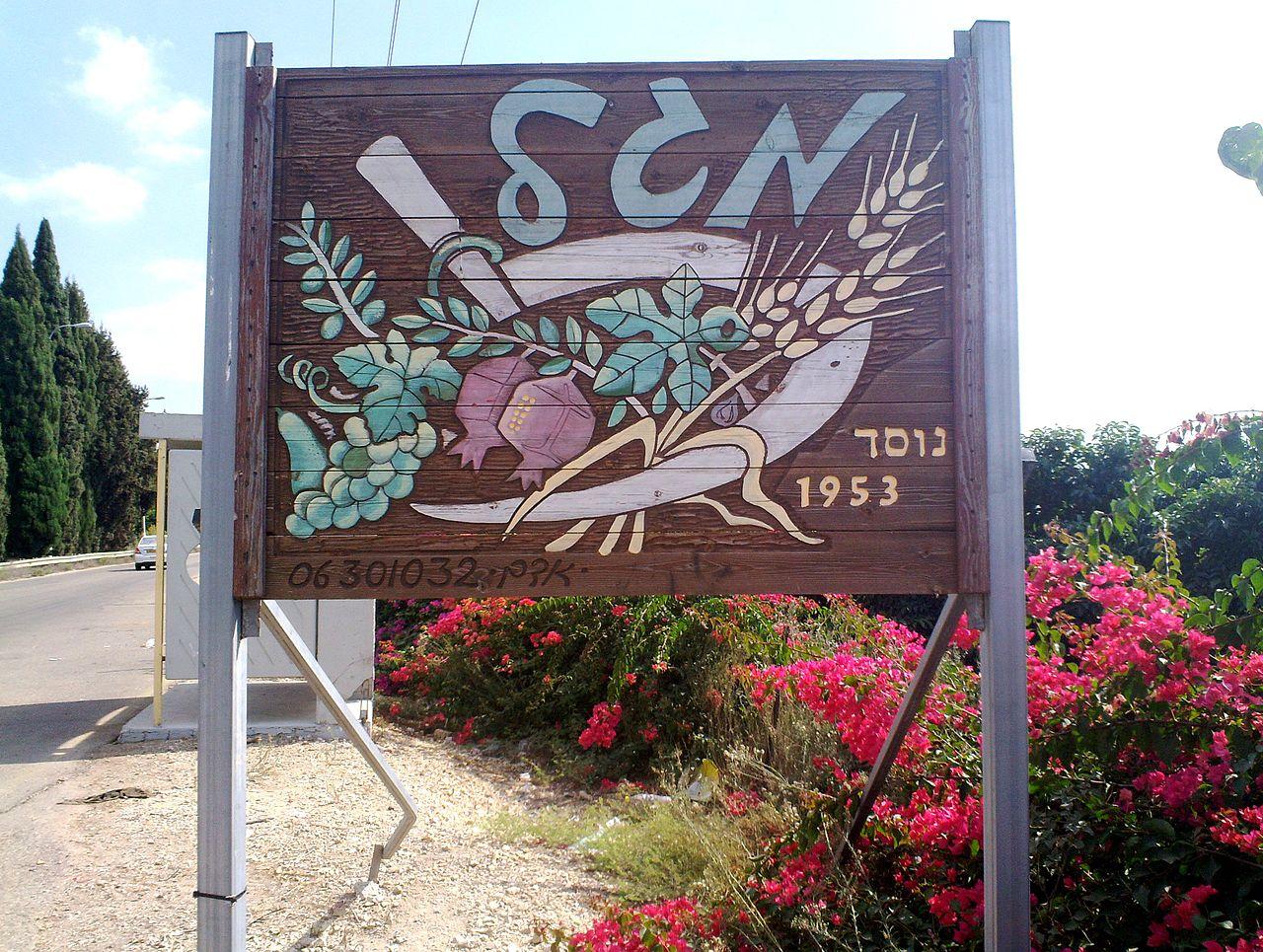 Originally, kibbutzim
were established as collective agricultural settlements based on mutual
assistance, shared resources, and common ownership. Over time, many of them,
including Magal, moved toward a more private economic model while preserving
important elements of their communal character. There are countries with
enormous reserves of natural resources that can afford to live for decades
according to the principle of “use first, think later.” And there are countries
that have no choice but to think carefully about every resource even before it
becomes available to them. Israel belongs to the
second category. This is precisely why the
Uzbek delegation’s visit to Magal was much more than an ordinary tour of an
agricultural site. The discussion was not
limited to drip irrigation, pipes, sensors, or modern technologies. At its core
was a much broader issue: the philosophy of managing a limited resource. The central question
raised during the meetings can be put very simply: What should a country do when its water resources are becoming increasingly
scarce? Should it search for new
sources of water? Or should it first learn
how to stop wasting the water it already has? A Kibbutz Built from the Land. Magal was established in 1953,
just five years after the founding of the State of Israel. The first settlers came
to the area to cultivate the land. The state supported the young settlement by
providing equipment and other necessary resources. But Magal, like other
kibbutzim, was much more than an agricultural enterprise.
Originally, kibbutzim
were established as collective agricultural settlements based on mutual
assistance, shared resources, and common ownership. Over time, many of them,
including Magal, moved toward a more private economic model while preserving
important elements of their communal character. There are countries with
enormous reserves of natural resources that can afford to live for decades
according to the principle of “use first, think later.” And there are countries
that have no choice but to think carefully about every resource even before it
becomes available to them. Israel belongs to the
second category. This is precisely why the
Uzbek delegation’s visit to Magal was much more than an ordinary tour of an
agricultural site. The discussion was not
limited to drip irrigation, pipes, sensors, or modern technologies. At its core
was a much broader issue: the philosophy of managing a limited resource. The central question
raised during the meetings can be put very simply: What should a country do when its water resources are becoming increasingly
scarce? Should it search for new
sources of water? Or should it first learn
how to stop wasting the water it already has? A Kibbutz Built from the Land. Magal was established in 1953,
just five years after the founding of the State of Israel. The first settlers came
to the area to cultivate the land. The state supported the young settlement by
providing equipment and other necessary resources. But Magal, like other
kibbutzim, was much more than an agricultural enterprise.
 The kibbutz was built
around a distinctive socio-economic model based on collective ownership, mutual
responsibility, shared labor, and collective decision-making. During its first decades,
the residents built their lives around a simple idea: the land and the results
of their labor should serve the entire community. According to Magal’s
presentation materials, this system was based on collective responsibility,
financial transparency, and the joint management of assets. Understanding this
history is important because modern Magal cannot be explained by technology
alone. Drip irrigation does not
emerge in a vacuum. Behind every technology
are people who are capable of working together, experimenting, investing, and
changing an established model when it no longer meets new realities. And Magal itself went
through precisely such a transformation when water became increasingly scarce. When Water Became Scarce,
Agriculture Had to Change One of the most revealing
episodes in the history of the kibbutz took place in 1995.
The kibbutz was built
around a distinctive socio-economic model based on collective ownership, mutual
responsibility, shared labor, and collective decision-making. During its first decades,
the residents built their lives around a simple idea: the land and the results
of their labor should serve the entire community. According to Magal’s
presentation materials, this system was based on collective responsibility,
financial transparency, and the joint management of assets. Understanding this
history is important because modern Magal cannot be explained by technology
alone. Drip irrigation does not
emerge in a vacuum. Behind every technology
are people who are capable of working together, experimenting, investing, and
changing an established model when it no longer meets new realities. And Magal itself went
through precisely such a transformation when water became increasingly scarce. When Water Became Scarce,
Agriculture Had to Change One of the most revealing
episodes in the history of the kibbutz took place in 1995.
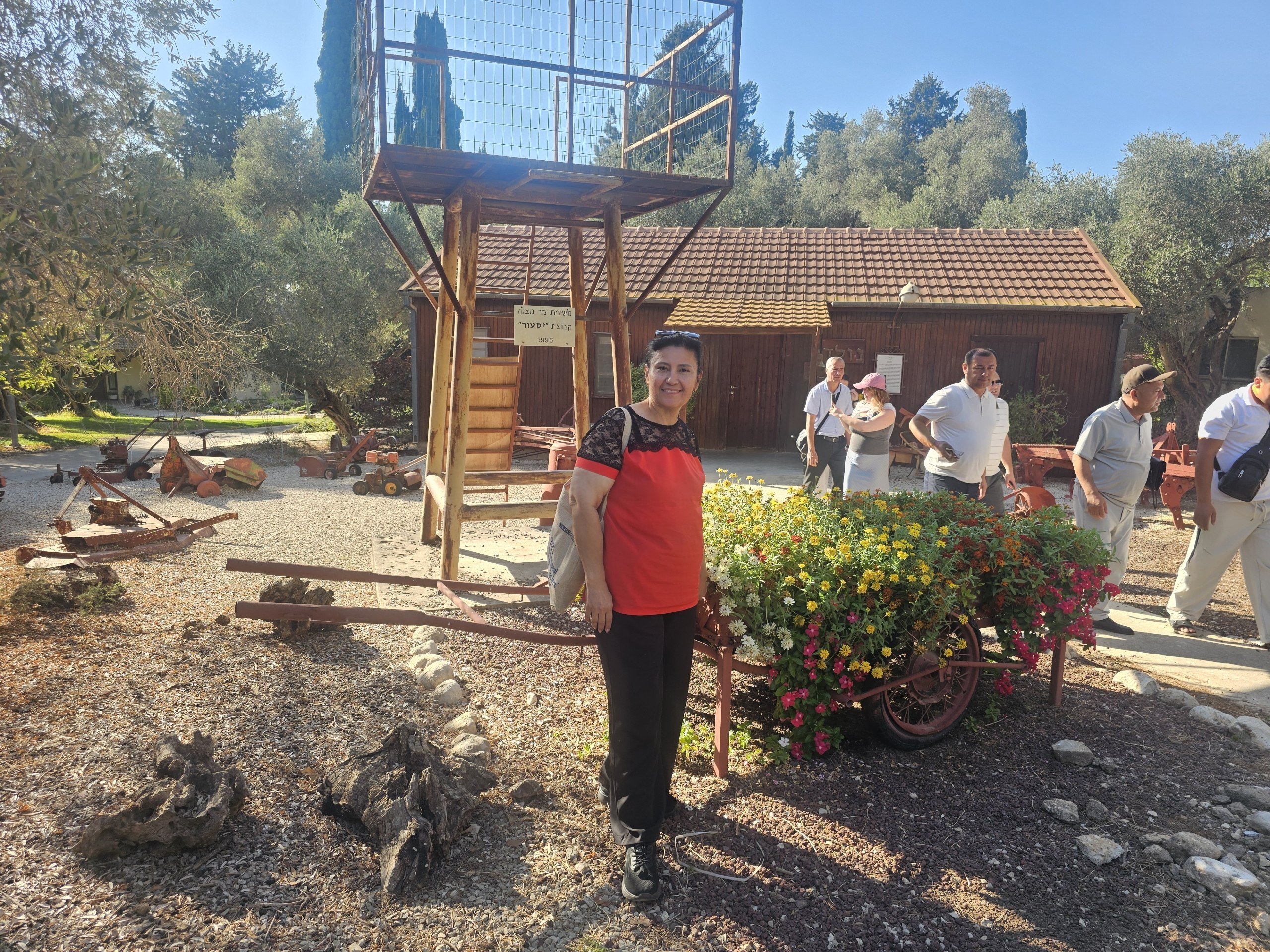
At that time, agricultural crops, including cotton, were being cultivated across approximately 400 hectares. But the state informed the kibbutz that there was no longer enough water available to continue growing cotton. Magal faced a choice. It could demand more water. It could abandon agriculture. Or it could change the production model itself. Magal chose the third option. “Cotton fields were gradually converted into olive groves. At first glance, this may seem like a simple agronomic decision,” the chairman of the kibbutz explains. “But if you look deeper, it is actually a policy of resource management.” Water scarcity forced the kibbutz to change the structure of its agricultural production. And this is one of the most important lessons for countries where water is becoming a strategic constraint on economic development. The problem is not always simply that there is not enough water.
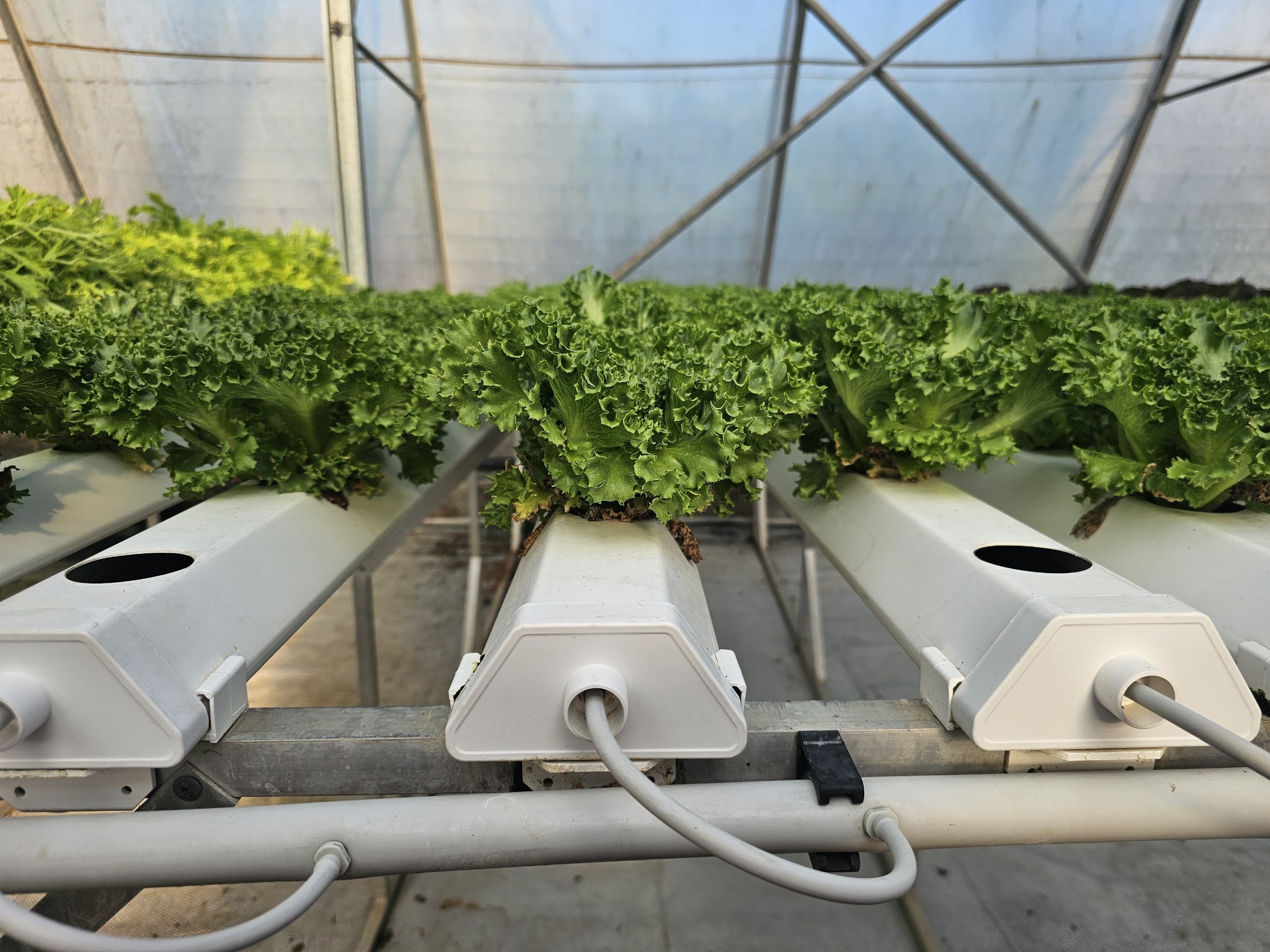 Sometimes the problem is
that we continue producing crops and goods that require enormous amounts of
water while relying on methods designed for completely different environmental
conditions. The experience of Magal
demonstrates that when water becomes scarce, the answer does not necessarily
have to be to search for more water. Sometimes the answer is
to change the way we produce, the technologies we use, and ultimately the way
we think about the resource itself.
Sometimes the problem is
that we continue producing crops and goods that require enormous amounts of
water while relying on methods designed for completely different environmental
conditions. The experience of Magal
demonstrates that when water becomes scarce, the answer does not necessarily
have to be to search for more water. Sometimes the answer is
to change the way we produce, the technologies we use, and ultimately the way
we think about the resource itself.
From Agriculture to Modern Technology
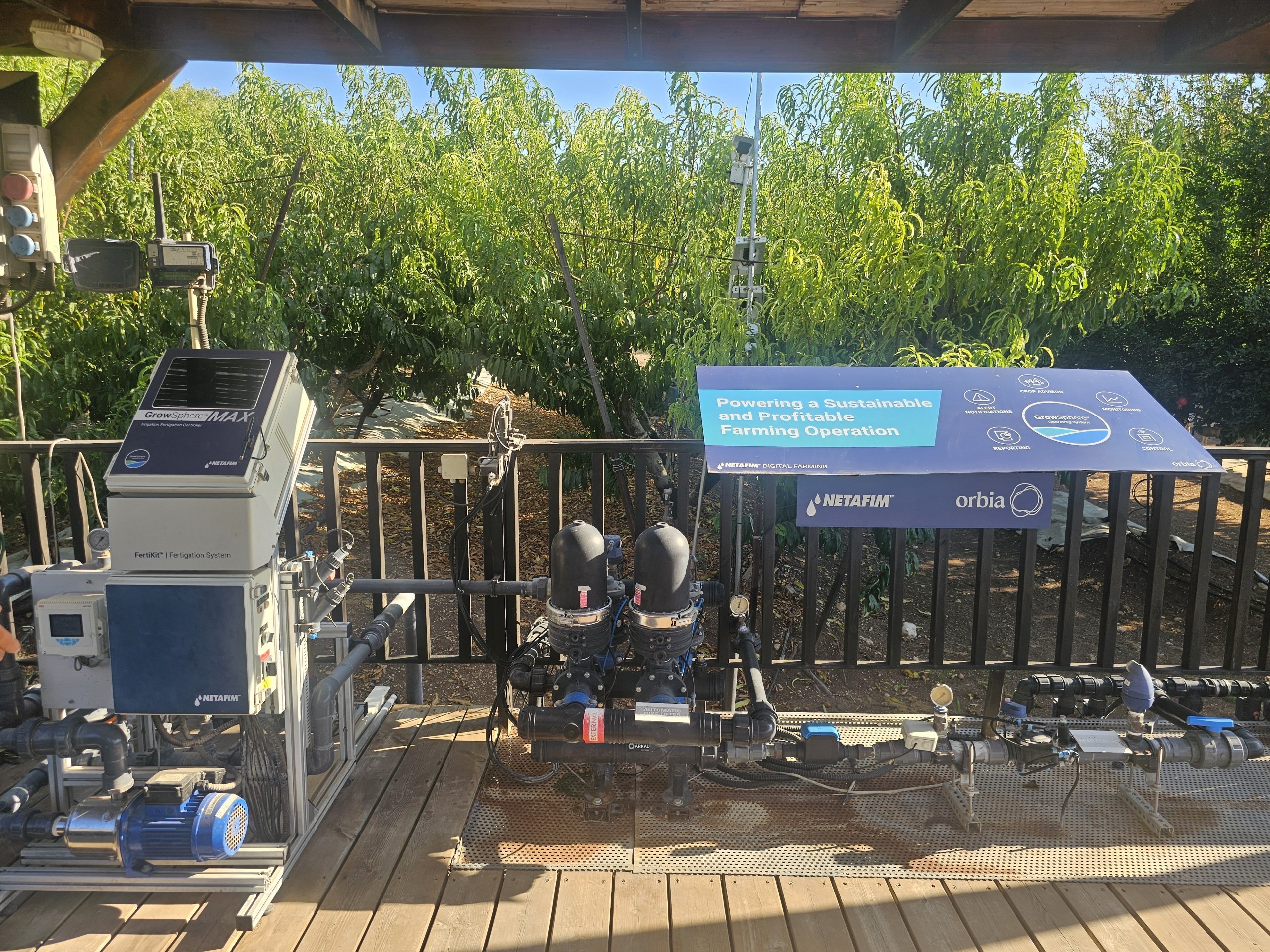
The Israeli kibbutz began with agriculture. However, by the 1980s and 1990s, it became clear that agricultural activity alone was insufficient. Consequently, industry and technology began to emerge around agriculture. This brings us to one of Magal's most famous stories: Netafim. A company linked to the kibbutz, it evolved from the Israeli concept of drip irrigation into an international business. Today, its solutions are used worldwide. And this is perhaps the most fascinating part of the Magal story: water became not just a problem, but a source of innovation. What began as a necessary response to an arid climate and water scarcity gradually transformed into a technological advantage. The less a country can afford to waste water, the greater the incentive to find ways to conserve it. "We use water multiple times." During the meeting, a phrase was heard that best encapsulates Israel's approach: "We use water. We produce water. We use it multiple times."
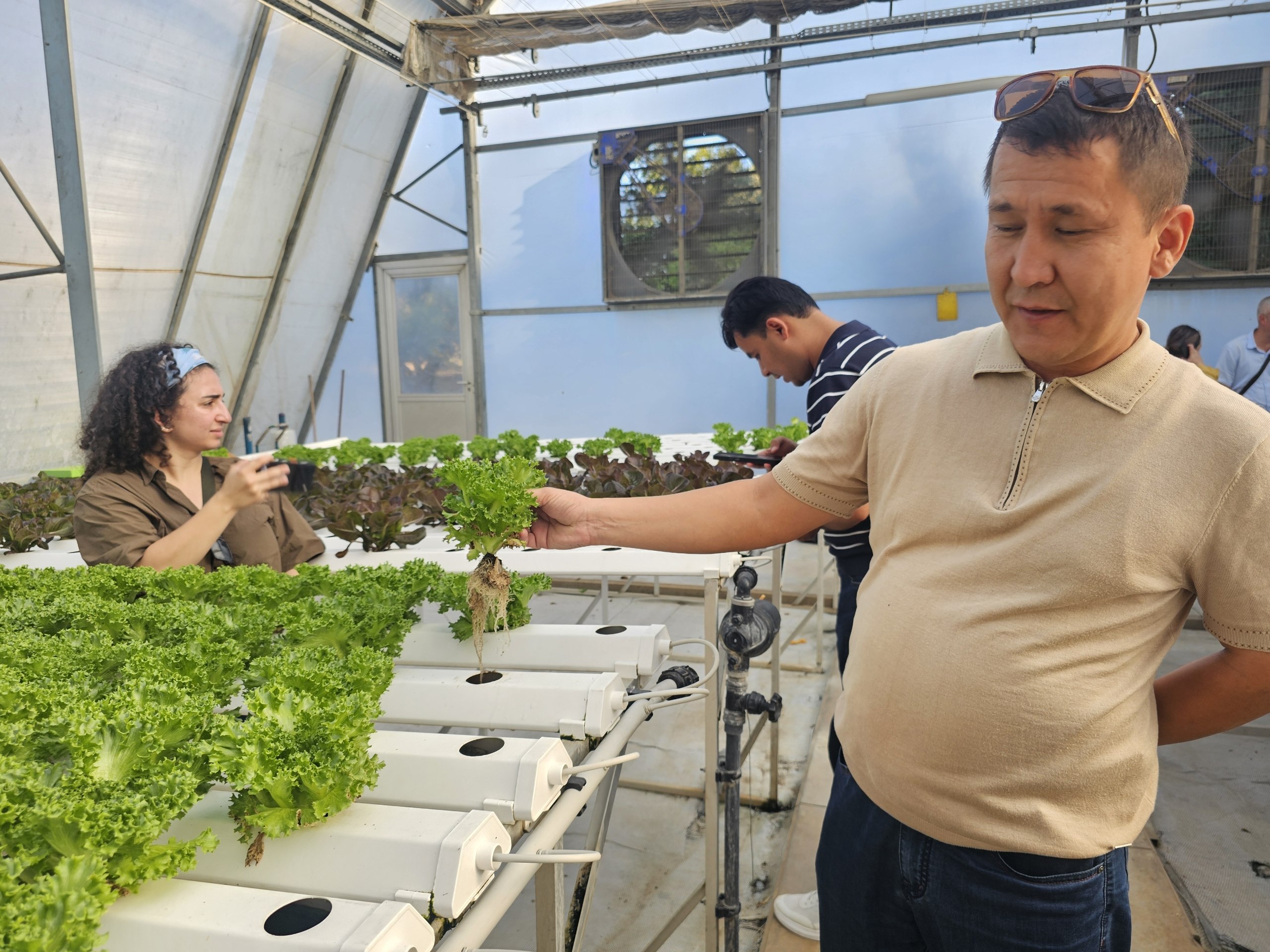
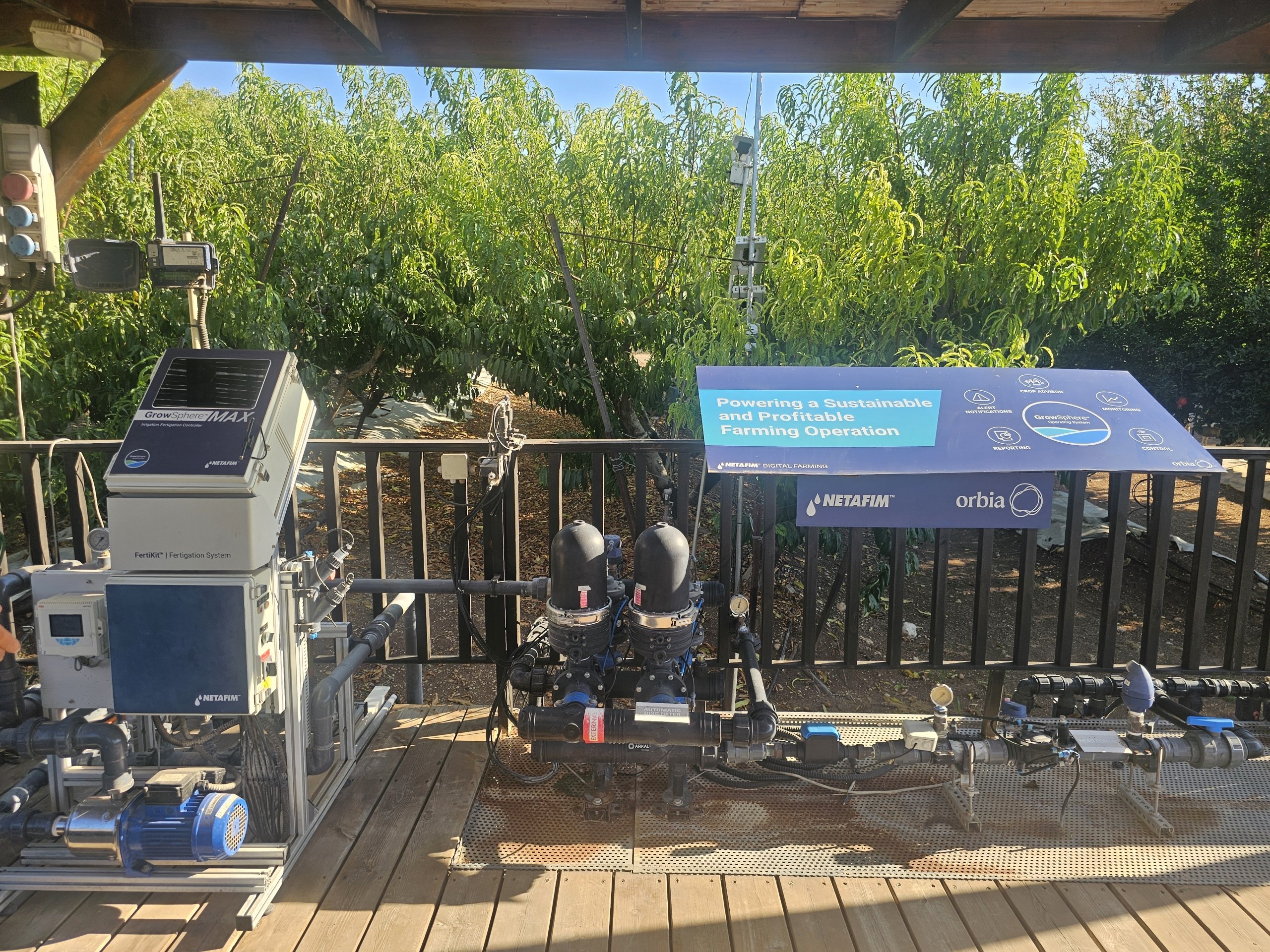
A paradoxical situation emerged: The less a country can afford to waste water, the greater the incentive to find ways to conserve it. "We use water multiple times." During the meeting, a phrase was heard that best explains Israel's approach: "We use water. We produce water. We use it multiple times." This is no longer just a discussion about irrigation; it is a discussion about a circular water economy. In the traditional model, water follows a linear path: source, consumer, waste. Israel's modern water strategy employs a different logic: water is viewed as a resource that can be treated, returned to the economic cycle, and reused. This shift in mindset is fundamental. A country that constantly seeks new water sources will eventually hit the limits imposed by nature. A country that learns to reuse existing water effectively expands its water resources without a corresponding increase in natural reserves.
What is particularly important for Uzbekistan
 For Uzbekistan, simply
copying this experience is not an option. We have completely different
geography, agricultural structures, climates, and socio-economic conditions.
However, certain principles are universal. First, water must be viewed as a
strategic resource, not as something provided freely and in infinite supply.
Second, agriculture must adapt to available water supplies, rather than the
other way around. Third, water-saving technologies must become an integral part
of the economic model, rather than existing merely as isolated pilot projects.
Fourth, it is necessary to cultivate not only technologies but also a culture
of water usage. Fifth, the government, businesses, farmers, the scientific
community, and public organizations must work together on water issues toward a
common goal. And finally, sixth, the country needs not only new reservoirs,
canals, and wells but also a new water culture. Magal points to another
important idea. There is a tendency to view Israel's experience solely through
the prism of technology—drip systems, pipes, filters, sensors, digital systems,
and water treatment. Yet, Magal demonstrates that technology is merely the tip
of the iceberg. This reflects decades of collective effort, a readiness to
change crops, investment in production, cooperation, and the ability to abandon
a model that was no longer working. In 2004, the residents of Magal decided to
privatize. The collective model began to shift: individual wages were
introduced, the housing ownership system was altered, and some assets were
distributed among families while others were retained for future investment. In
other words, it became clear that the kibbutz’s socio-economic model itself was
not dogmatic. As circumstances changed, so did the kibbutz. And perhaps it is
precisely this capacity for change that offers the most valuable lesson.
For Uzbekistan, simply
copying this experience is not an option. We have completely different
geography, agricultural structures, climates, and socio-economic conditions.
However, certain principles are universal. First, water must be viewed as a
strategic resource, not as something provided freely and in infinite supply.
Second, agriculture must adapt to available water supplies, rather than the
other way around. Third, water-saving technologies must become an integral part
of the economic model, rather than existing merely as isolated pilot projects.
Fourth, it is necessary to cultivate not only technologies but also a culture
of water usage. Fifth, the government, businesses, farmers, the scientific
community, and public organizations must work together on water issues toward a
common goal. And finally, sixth, the country needs not only new reservoirs,
canals, and wells but also a new water culture. Magal points to another
important idea. There is a tendency to view Israel's experience solely through
the prism of technology—drip systems, pipes, filters, sensors, digital systems,
and water treatment. Yet, Magal demonstrates that technology is merely the tip
of the iceberg. This reflects decades of collective effort, a readiness to
change crops, investment in production, cooperation, and the ability to abandon
a model that was no longer working. In 2004, the residents of Magal decided to
privatize. The collective model began to shift: individual wages were
introduced, the housing ownership system was altered, and some assets were
distributed among families while others were retained for future investment. In
other words, it became clear that the kibbutz’s socio-economic model itself was
not dogmatic. As circumstances changed, so did the kibbutz. And perhaps it is
precisely this capacity for change that offers the most valuable lesson.
In Magal, you begin to realize that a country's attitude toward water reveals a great deal about the state itself. If water is taken for granted, it gets wasted. If water acquires economic and strategic value, technology emerges. If water becomes a matter of national security, long-term policy takes shape. And if water becomes part of the culture, then not only officials and farmers but ordinary citizens, too, begin to use it frugally. That is why the Israeli experience cannot be reduced to a simple formula of "buying drip irrigation." Drip irrigation alone cannot save the country from a water crisis. A comprehensive system is needed—one that integrates technology with metering, tariffs, accountability, oversight, water reuse, scientific research, and structural changes in agriculture.
Lessons from Magala
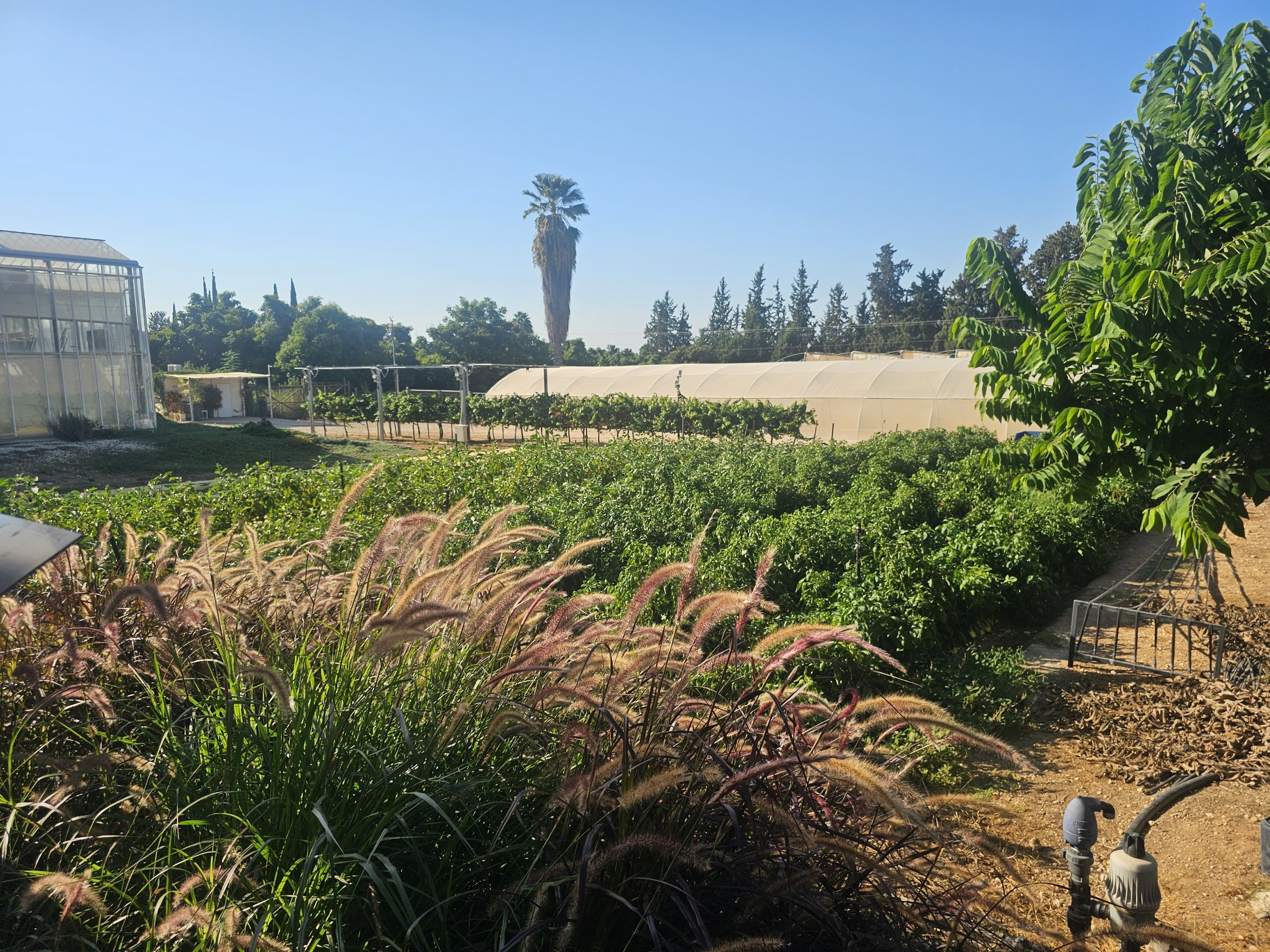 Uzbekistan currently
faces a situation regarding water issues that can no longer be postponed.
Climate change, population growth, agricultural and industrial demands, and
shifting aquatic ecosystems require a new perspective on every cubic meter of
water.
Uzbekistan currently
faces a situation regarding water issues that can no longer be postponed.
Climate change, population growth, agricultural and industrial demands, and
shifting aquatic ecosystems require a new perspective on every cubic meter of
water.
Khabibullo Mamanov, Chief Specialist in Water Efficiency Management
 -- In Israel, nearly 100%
of treated wastewater is reused, including for agricultural purposes. Israeli
experts have recommended that their Uzbek counterparts accelerate the
transition to full wastewater reuse. This is particularly urgent for the
Kashkadarya region, where water scarcity is intensifying. It is essential to
establish a system for the full treatment and reuse of municipal wastewater in
the region—primarily for irrigation. Currently, water-saving technologies cover
approximately 40–45% of the Kashkadarya region, and there are plans to increase
this figure to 100% by 2030. Drip irrigation systems incorporating Chinese
technology are being introduced for cotton cultivation in the region. However,
the equipment often lasts for only one season, thereby increasing costs for
farmers. Therefore, it is crucial not only to implement the technology but also
to train specialists and educate farmers on its proper use. Israel is already
utilizing more sophisticated subsurface drip irrigation systems. A phased
approach holds promise for Uzbekistan: first, enhancing the skills of
specialists and farmers and effectively adopting surface-level water-saving
technologies, followed by a transition to modern subsurface systems. Therefore, the main
question should not be "Where can we get more water?" but rather a
much tougher one: "Why do we allow the water we already have to go to
waste?" This leads to the next question: "Can we reuse it?" And
another: "Should the agriculture of the future look the same as the
agriculture of the past?" In Magal, some of these questions were answered
not with words, but through action. When water supplies ran low, they changed
their cultivation methods. When agriculture alone was no longer enough, they
established industrial production. When the economy shifted, they adapted the
kibbutz model. When resources proved limited, they began developing
technologies to use them more efficiently. Israel did not defeat water
scarcity; instead, it learned to live with it, manage it, respond to it
technologically, and turn resource constraints into a driver for innovation.
Magal is a prime example where this story can be seen firsthand—from the field
and the drip-irrigation emitter to the international technology company. For
Uzbekistan, this is not a ready-made blueprint. Yet, it is a crucial question
to ask ourselves today: as water supplies dwindle, are we prepared to change
not only our technologies but our very model of development?
-- In Israel, nearly 100%
of treated wastewater is reused, including for agricultural purposes. Israeli
experts have recommended that their Uzbek counterparts accelerate the
transition to full wastewater reuse. This is particularly urgent for the
Kashkadarya region, where water scarcity is intensifying. It is essential to
establish a system for the full treatment and reuse of municipal wastewater in
the region—primarily for irrigation. Currently, water-saving technologies cover
approximately 40–45% of the Kashkadarya region, and there are plans to increase
this figure to 100% by 2030. Drip irrigation systems incorporating Chinese
technology are being introduced for cotton cultivation in the region. However,
the equipment often lasts for only one season, thereby increasing costs for
farmers. Therefore, it is crucial not only to implement the technology but also
to train specialists and educate farmers on its proper use. Israel is already
utilizing more sophisticated subsurface drip irrigation systems. A phased
approach holds promise for Uzbekistan: first, enhancing the skills of
specialists and farmers and effectively adopting surface-level water-saving
technologies, followed by a transition to modern subsurface systems. Therefore, the main
question should not be "Where can we get more water?" but rather a
much tougher one: "Why do we allow the water we already have to go to
waste?" This leads to the next question: "Can we reuse it?" And
another: "Should the agriculture of the future look the same as the
agriculture of the past?" In Magal, some of these questions were answered
not with words, but through action. When water supplies ran low, they changed
their cultivation methods. When agriculture alone was no longer enough, they
established industrial production. When the economy shifted, they adapted the
kibbutz model. When resources proved limited, they began developing
technologies to use them more efficiently. Israel did not defeat water
scarcity; instead, it learned to live with it, manage it, respond to it
technologically, and turn resource constraints into a driver for innovation.
Magal is a prime example where this story can be seen firsthand—from the field
and the drip-irrigation emitter to the international technology company. For
Uzbekistan, this is not a ready-made blueprint. Yet, it is a crucial question
to ask ourselves today: as water supplies dwindle, are we prepared to change
not only our technologies but our very model of development?
Nargis Kosimova. Israel