

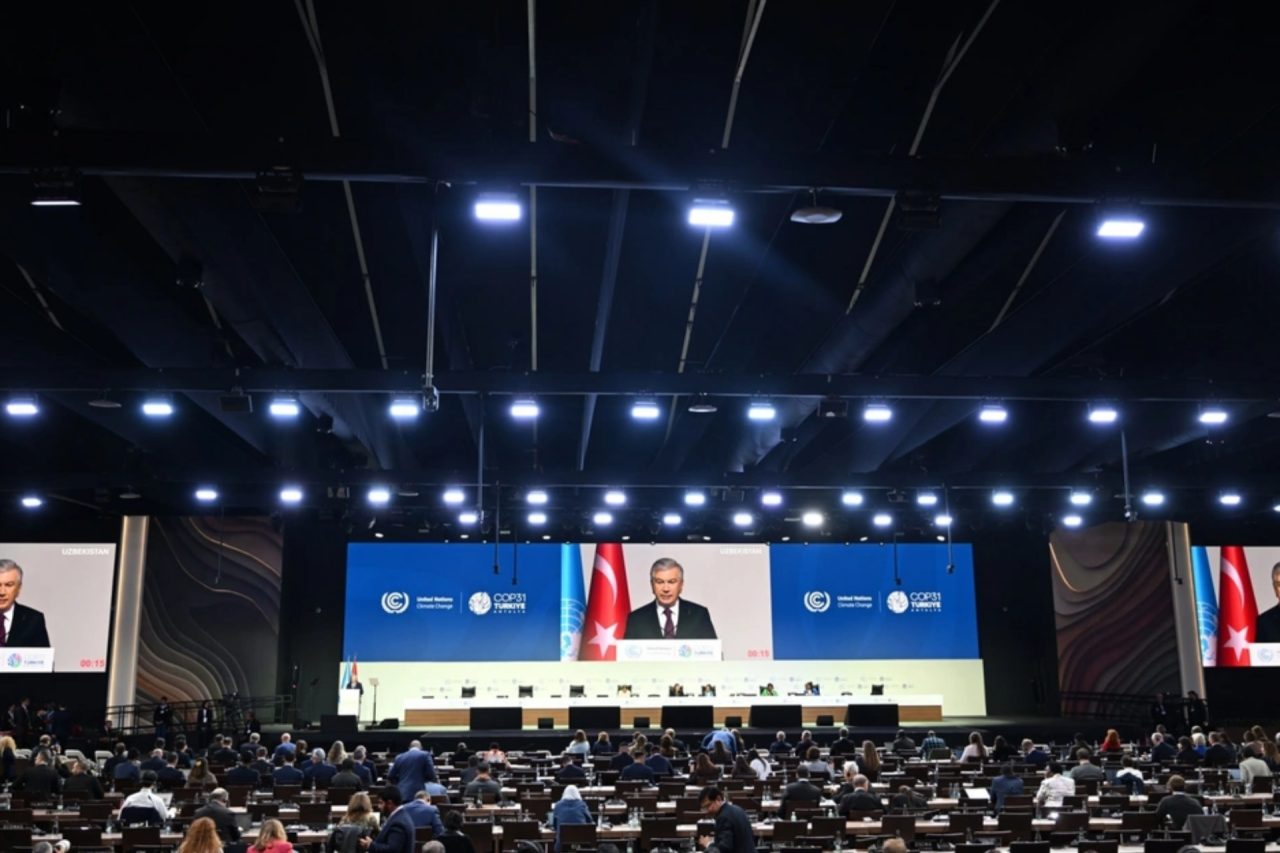
The main challenge facing climate diplomacy today is not setting new targets, but developing effective mechanisms to achieve them. Countries are making commitments to reduce greenhouse gas emissions, expand renewable energy, protect forests and other natural ecosystems, and adapt to the impacts of climate change. Yet the implementation of these commitments depends directly on political will, economic capacity, technological potential, and financial resources.
In this regard, the most important criterion for assessing COP31 should be whether the initiatives announced translate into tangible environmental and social outcomes.
The Gap Between Promises and Real Environmental Change
Decisions adopted at climate conferences are often linked to long-term goals, national strategies, and investment plans. However, the climate crisis cannot wait for delayed action. Heatwaves, droughts, water shortages, floods, wildfires, and biodiversity loss are intensifying year after year, making the impact of environmental challenges increasingly visible in people's daily lives.

Therefore, countries' progress after the conference should be assessed through concrete questions: How much water has been saved? How much degraded land has been restored or protected? How much have renewable energy capacities increased? Have emissions of harmful pollutants into the atmosphere declined? What protection mechanisms have been introduced for communities living in areas highly vulnerable to climate risks?
These questions are essential for moving environmental policy beyond declarations and towards practical implementation. The outcomes of climate decisions should be measurable through data, monitoring, independent evaluation, and information accessible to the public.
Central Asia: Climate Challenges Know No Borders
For Central Asia, the significance of COP31 is primarily determined by the region's shared environmental risks. Declining water resources, shrinking glaciers, desertification, soil degradation, dust storms, and extreme temperatures are not problems confined to a single country. These processes affect the economies, food security, public health, and environmental sustainability of the entire region.
That is why strengthening climate data exchange, expanding transboundary environmental monitoring, developing early-warning systems, and implementing joint environmental projects among Central Asian countries are particularly important.
Regional cooperation should not be limited to diplomatic meetings. It must be built on practical mechanisms, including shared databases, scientific research, environmental monitoring, agreements on water resource management, and joint investment projects.
The environmental situation in the Aral Sea region, dust and salt storms, water scarcity, and related public health challenges clearly demonstrate how essential regional cooperation has become.
Climate Finance: It Is Not the Amount of Funding, but Its Impact That Matters
Climate finance was also a major issue at COP31. Developing countries need substantial financial resources to address the consequences of climate change and adapt to its impacts. However, providing funding alone is not enough.
Which projects will receive climate finance? How much of it will address the real needs of communities? How will the environmental impact of projects be assessed? Will the use of financial resources be transparent to the public?

These questions are particularly important because evaluating the effectiveness of climate projects can sometimes be challenging. For example, reports on tree-planting initiatives may focus on the number of seedlings planted, while providing insufficient information on how many survived, what impact they had on ecosystems, and whether they received long-term care.
Transparency, independent audits, monitoring, and public oversight should therefore become essential elements of climate finance. The key criterion should be not the amount of funding allocated, but its environmental and social impact.
People Must Be at the Centre of Climate Policy
Discussions about climate change are often limited to economic indicators, energy capacity, and investment volumes. Yet the most profound impacts of the climate crisis are felt in people's lives.
Rising temperatures affect public health, water shortages make agriculture increasingly difficult, and environmental problems affect livelihoods, migration, and social protection. Children, older people, low-income families, rural communities, and those working in climate-sensitive sectors are particularly vulnerable.
Climate policy must therefore pay greater attention to social protection, public awareness of climate risks, preparedness of healthcare systems, and strengthening the adaptive capacity of local communities.
Environmental sustainability is not only about protecting nature. It is also closely linked to ensuring people's right to live in a safe and dignified environment.
Public Oversight and the Role of Environmental Journalism
In the period following COP31, environmental journalism and civil society will play an increasingly important role. Monitoring the implementation of international agreements, national strategies, and environmental projects, analysing their outcomes, and communicating them to the public are key responsibilities of journalists, experts, and environmental organisations.
Environmental journalism should go beyond reporting environmental problems. It must scrutinise the implementation of environmental decisions, examine how public funds are spent, demand transparency in environmental data, and provide impartial information about decisions affecting people's interests.
When the implementation of climate commitments is transparent and accessible to the public, accountability also increases. In this sense, journalism can serve as one of the important mechanisms of public oversight of environmental policy.
The Key Question After Antalya
COP31 provided an important platform for discussing new initiatives and opportunities for cooperation in climate diplomacy. However, the most important task after the conference is to turn the announced goals into concrete action plans.
For Central Asia, this means managing water resources more efficiently, reducing environmental risks, strengthening regional cooperation, making effective use of climate finance, and placing people's interests at the centre of environmental decision-making.
The real success of climate action cannot be measured by speeches delivered at conferences. It must be measured by the air people breathe, the water they consume, the environment in which they live, the natural ecosystems that are preserved, and the opportunities created for future generations.
Nargis Kosimova