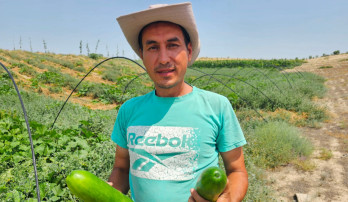
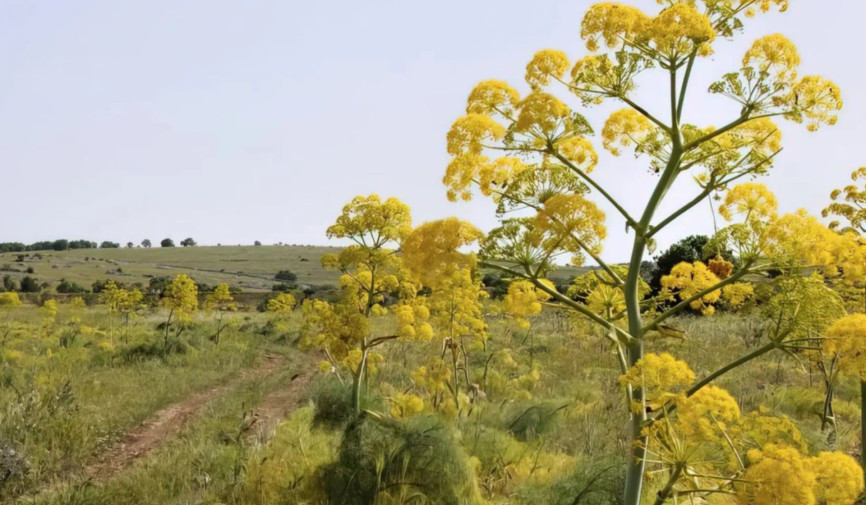
New Procedure Introduced for the Collection of Wild Plants
A new electronic mechanism has been introduced to ensure the efficient and rational use of natural resources, create favourable conditions for businesses, and protect plant species and their natural habitats.
Uzbekistan Strengthens Measures to Prevent the Transmission of Zoonotic Pathogens from Animals to Humans in Protected Areas
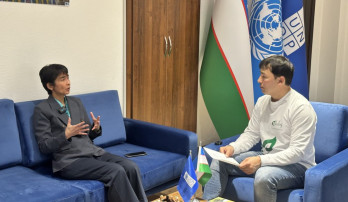
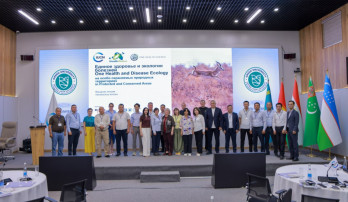
A practical training aimed at reducing the risk of zoonotic pathogen transmission from animals to humans and strengthening biosecurity measures in protected natural areas was held in Tashkent on 21–22 September.
A new system to be introduced under the “Yashil Makon” national project
A new system will be introduced as part of the “Yashil Makon” national project. This is stipulated in Presidential Decree No. 206 dated 23 September 2026.

How Are Uzbekistan’s Cities Adapting to Climate Change?
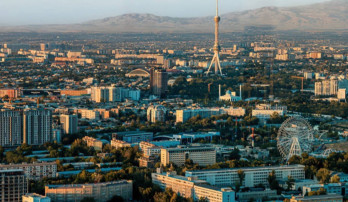
Climate change has already changed the lives of Uzbekistan’s cities. Rising temperatures, prolonged periods of heat, water shortages, heavy rainfall, dust storms, and environmental degradation are placing new demands on urban infrastructure. This issue is particularly relevant for Uzbekistan. Over the past six decades, the country’s average annual temperature has increased by 1.6°C. In very hot and dry years, river flows may decrease by up to 25–50 percent. According to World Bank projections, without effective adaptation measures, by 2050 Uzbekistan’s economy could be approximately 10 percent smaller than it would be in the absence of climate risks.
UZS 150 per Plastic Bottle: Reverse Vending Machines Launched in Uzbekistan
A reverse vending machine has been launched in front of the National Committee for Ecology and Climate Change. A similar machine has also been installed and commissioned in the center of Surkhandarya Region.

Mission “Houbara Bustard”: Uzbekistan and the UAE Join Forces to Preserve Rare Species

Tashkent region has been the world's worst air polluter for 13 years! Why?

Rare Houbara Bustard: A Secret Conservation Project Between Uzbekistan and the UAE
Isroilning Dohada Hamas rahbariyati… Nishonda kimlar bo lgan?
Isroil Qatar poytaxti Dohadagi Hamas shtab-kvartirasiga bir necha bor zarba berdi. Operatsiyaning nishoni Hamas rahbariyati vakillari edi.
Futbolchilar ham so rashyapti
Rossiya front yaqinidagi posyolkaga aviabomba tashladi
Rossiya front yaqinidagi posyolkaga aviabomba tashladi
Futbolchilar ham so rashyapti
Futbolchilar ham so rashyapti



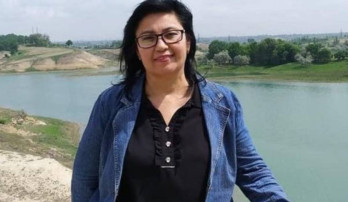
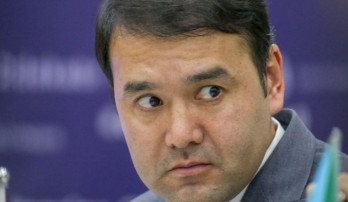
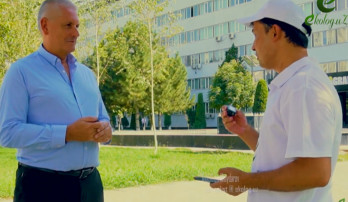
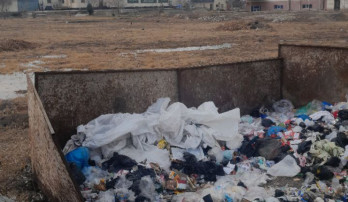
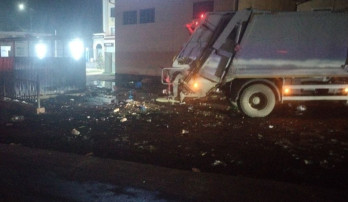
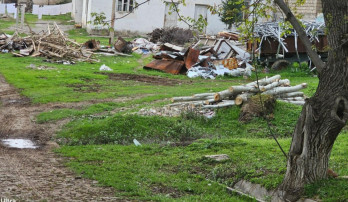
The waste has been cleaned up.
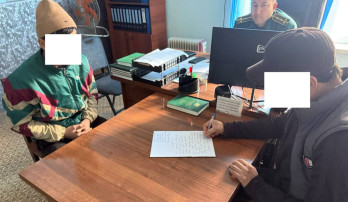
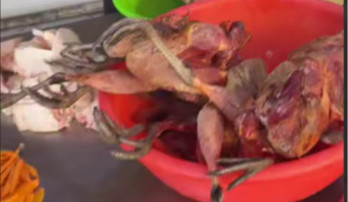
Citizen who killed muskrat held accountable
Investigations
A collection of in-depth analytical materials and investigations based on facts and evidence.