After COP31: The True Value of Climate Commitments Lies in Results
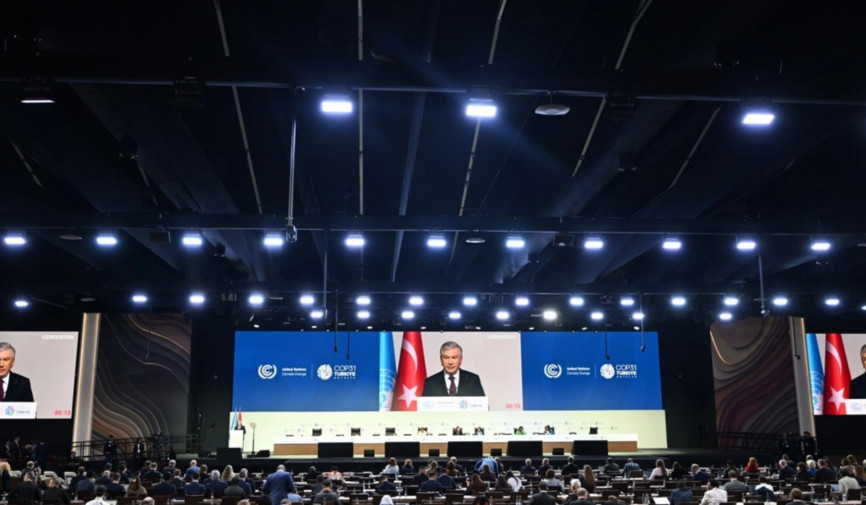
The COP31 climate conference held in Antalya once again brought key issues on the global climate agenda to the attention of the international community. New initiatives were presented on climate finance, energy transition, water resources, ecosystem restoration, and adaptation to climate change. However, the real impact of any international conference is determined not by the declarations adopted or promises made, but by how effectively they are translated into action.
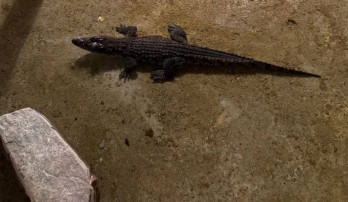
Nile Crocodile Found in the Qorasuv Canal in Tashkent
The Department for the Development of Eco-Territories and Hunting, operating under the National Committee on Ecology and Climate Change, received a report concerning the presence of a Nile crocodile in the Qorasuv Canal in Tashkent.
Climate Commitments from Antalya: What COP31 Means for Uzbekistan
Climate diplomacy is measured not by the number of agreements signed, but by the changes people experience in their daily lives — in the availability of water, the quality of air, the resilience of land, and the security of their livelihoods. The climate crisis is no longer a distant threat. Water shortages, heatwaves, droughts, dust storms, land degradation and growing pressure on agriculture are increasingly part of everyday life across Central Asia. Against this backdrop, the key question surrounding COP31 in Antalya was not simply what countries promised, but whether they made meaningful progress towards turning those commitments into concrete action.

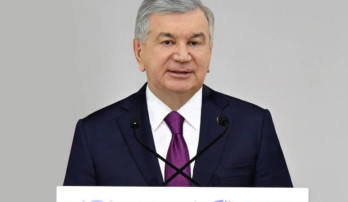
Speech by the President of the Republic of Uzbekistan Shavkat Mirziyoyev at the 31st Session of the UN Climate Change Conference
Climate change is currently one of the most pressing global challenges facing humanity. Water scarcity, droughts, melting glaciers, desertification and the increasing frequency of natural disasters are having a serious impact not only on the environment but also on national economies, public health and the lives of future generations.
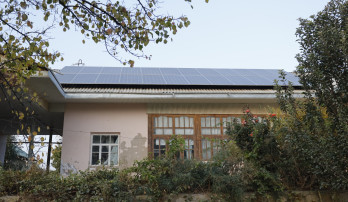
Is Solar Energy Affordable for Low-Income Families Too?
Today, climate change is confronting humanity with not only environmental challenges but also economic, social and ethical questions. The need to reduce greenhouse gas emissions, preserve natural resources and transition to renewable energy sources is becoming increasingly urgent. However, when discussing green development, one important question should not be overlooked: are all segments of society equally benefiting from an environmentally sustainable future?
Mission “Houbara Bustard”: Uzbekistan and the UAE Join Forces to Preserve Rare Species

Tashkent region has been the world's worst air polluter for 13 years! Why?

Rare Houbara Bustard: A Secret Conservation Project Between Uzbekistan and the UAE

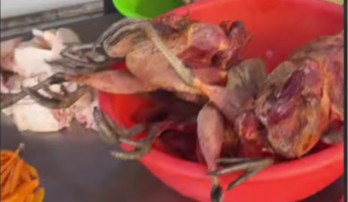
At the "Ulfatlar" teahouse in the city of Yangi Yol, shashlik is being prepared from pheasant and sparrow meat.
There are reports that the "Ulfatlar" teahouse in the city of Yangi Yol, Tashkent region, is preparing shashlik from pheasant and sparrow meat. It is noted that this teahouse has not stopped this activity yet.







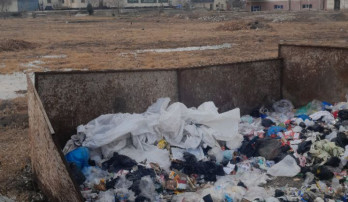

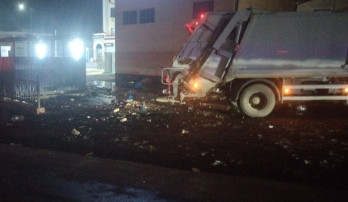
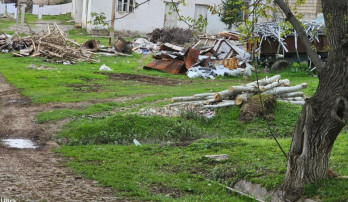
The waste has been cleaned up.
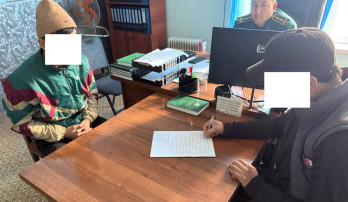
Citizen who killed muskrat held accountable
Investigations
A collection of in-depth analytical materials and investigations based on facts and evidence.